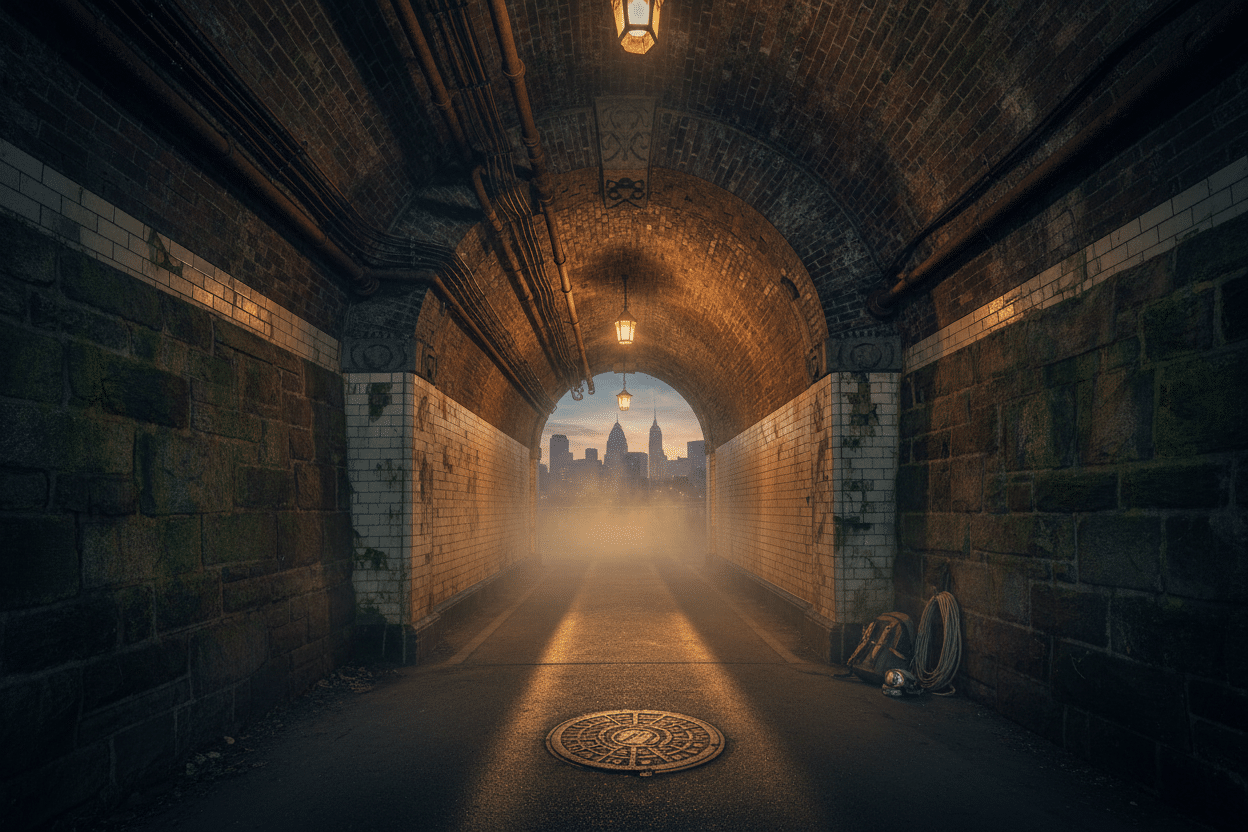
The Secret Underground Tunnels of Philadelphia: Urban Exploration Guide
Philadelphia’s streets tell only half the story. Beneath the City of Brotherly Love lies a hidden world of tunnels, passages, and forgotten chambers that have shaped the city’s history for centuries. From colonial-era escape routes to modern utility corridors, Philadelphia’s underground network represents one of America’s most fascinating subterranean landscapes. This comprehensive urban exploration guide will take you through the mysterious depths of Philly’s secret tunnel system.
A Brief History of Philadelphia’s Underground Network
The story of Philadelphia’s underground tunnels begins long before the city became the birthplace of American independence. Native American tribes created the first underground passages in the region, using natural caves and hand-dug tunnels for storage and protection. When William Penn established Philadelphia in 1682, early settlers discovered these existing networks and began expanding them for their own purposes.
During the colonial period, wealthy merchants and homeowners constructed private tunnels connecting their properties to the Delaware River waterfront. These passages served multiple purposes: smuggling goods to avoid British taxes, storing valuable merchandise, and providing escape routes during times of civil unrest. Many of these original tunnels still exist today, hidden beneath modern buildings and sidewalks.
The Underground Railroad era brought new significance to Philadelphia’s tunnel system. Abolitionists and freedom seekers utilized existing passages and created new ones to help enslaved people reach safety in the North. The Johnson House in Germantown and the Mother Bethel AME Church both feature documented tunnel connections that played crucial roles in this network of liberation.
Notable Underground Locations and Tunnel Systems
Philadelphia’s tunnel network encompasses several distinct systems, each with its own unique history and characteristics. Understanding these different networks helps urban explorers appreciate the complexity and scope of the city’s underground infrastructure.
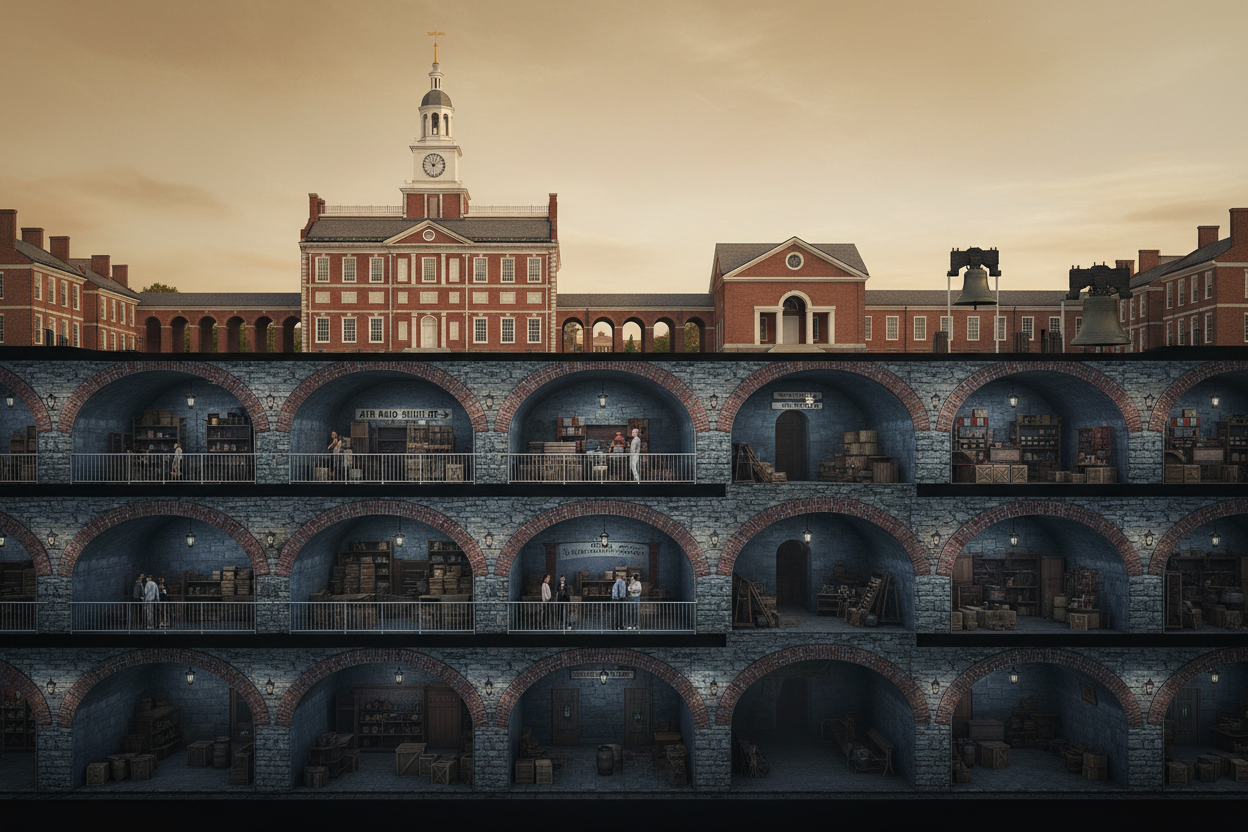
The Old City tunnel system represents the oldest continuous network in Philadelphia. These passages wind beneath Independence Hall, the Liberty Bell Pavilion, and numerous historic buildings in the area. Originally constructed for commercial purposes, many of these tunnels later served as air raid shelters during World War II. Today, sections remain accessible through guided tours, while others require special permission to explore.
Center City’s business district conceals an extensive network of utility tunnels and pedestrian passages. The SEPTA subway system represents the most visible portion of this network, but countless service tunnels branch off from the main lines. These passages carry steam pipes, electrical cables, and communication lines throughout downtown Philadelphia. The famous “Concourse” system connects major buildings underground, allowing pedestrians to travel between locations without facing harsh weather.
South Philadelphia’s tunnel system reflects the area’s industrial heritage. Former brewery tunnels, cold storage facilities, and shipping passages create a maze beneath neighborhoods like Bella Vista and Queen Village. Many of these tunnels connected directly to the Delaware River, facilitating the movement of goods during Philadelphia’s peak as a manufacturing center.
Safety Considerations for Urban Exploration
Exploring Philadelphia’s underground tunnels requires careful planning and strict adherence to safety protocols. The underground environment presents unique hazards that surface exploration doesn’t encounter, making preparation essential for any successful expedition.
Structural integrity represents the primary concern when exploring historic tunnels. Many passages date back centuries and may suffer from deterioration, water damage, or inadequate maintenance. Always examine ceiling conditions, wall stability, and floor surfaces before proceeding through any tunnel section. Carry a reliable flashlight with backup batteries, as underground areas typically lack artificial lighting.
Air quality poses another significant risk in underground environments. Poor ventilation can lead to oxygen depletion or the accumulation of dangerous gases. Never explore alone, and always inform someone of your planned route and expected return time. Consider carrying a portable gas detector if you plan extensive underground exploration.
Legal considerations cannot be ignored when planning tunnel exploration. Many underground areas fall under private property or require special permits for access. Research ownership and access rights before attempting to explore any location. Trespassing charges can result in serious legal consequences, so always obtain proper permission when possible.
Legal Access Points and Guided Tours
Fortunately, several legal options exist for experiencing Philadelphia’s underground tunnel network. These sanctioned access points provide safe, educational opportunities to explore the city’s subterranean history without legal risks or safety concerns.
The Independence National Historical Park offers regular tours of tunnels beneath Independence Hall and surrounding buildings. These guided experiences provide historical context while showcasing original colonial-era construction techniques. Tours typically run year-round, though scheduling varies by season. Advance reservations are strongly recommended, especially during peak tourist periods.
Eastern State Penitentiary operates special underground tours that explore the prison’s tunnel system and underground chambers. These tours reveal how the facility managed utilities, transportation, and security through its underground network. The penitentiary’s Halloween programming often includes enhanced underground experiences with theatrical elements.
Several private tour companies offer specialized underground exploration experiences. Hidden City Philadelphia provides walking tours that include access to normally restricted tunnel areas. These tours combine historical education with authentic urban exploration, offering participants a taste of underground adventure within legal boundaries.
Equipment and Preparation for Underground Exploration
Proper equipment can make the difference between a successful underground exploration and a dangerous situation. Experienced urban explorers recommend specific gear tailored to the unique challenges of subterranean environments.
Lighting equipment tops the essential gear list for any underground expedition. A high-quality LED headlamp provides hands-free illumination while navigating tight spaces or climbing obstacles. Backup flashlights prevent dangerous situations if primary lighting fails. Red-filtered lights help preserve night vision when transitioning between different lighting conditions.
Protective clothing serves multiple purposes in underground environments. Sturdy boots with good traction prevent slips on wet or uneven surfaces. Long pants and long sleeves protect against cuts, scrapes, and contact with contaminated surfaces. A hard hat provides crucial head protection in low-ceiling areas or spaces with hanging obstacles.
Navigation tools become essential when exploring complex tunnel networks. A reliable compass helps maintain orientation in areas where GPS signals cannot penetrate. Detailed maps of the area, both surface and underground when available, provide crucial reference points. Consider carrying chalk or biodegradable markers to mark your route for safe return navigation.
Photography and Documentation Tips
Capturing the unique atmosphere and historical significance of Philadelphia’s underground tunnels requires specialized photography techniques and equipment. The challenging lighting conditions and confined spaces present unique obstacles that standard photography approaches cannot address effectively.
Low-light photography techniques become essential for documenting underground environments. A camera capable of high ISO performance allows photography without disturbing the natural atmosphere with excessive artificial lighting. A sturdy tripod enables long exposures that capture ambient light and create dramatic atmospheric effects.
Composition in confined spaces requires creative approaches to traditional photography rules. Wide-angle lenses can capture the scope of tunnel systems, while macro photography reveals intricate details of historical construction techniques or geological features. Consider the historical significance of your subjects and frame shots that convey both the physical space and its cultural importance.
Respect for the environment should guide all documentation efforts. Avoid using flash photography that might damage sensitive historical materials or disturb wildlife that may inhabit these spaces. Leave no trace of your visit, and never remove artifacts or materials for personal collections.
Connecting with the Urban Exploration Community
Philadelphia’s urban exploration community provides valuable resources, safety support, and shared knowledge for those interested in underground exploration. Connecting with experienced explorers offers opportunities to learn proper techniques while building relationships within this specialized hobby.
Local meetup groups organize regular exploration events that welcome newcomers while maintaining safety standards. These groups often have established relationships with property owners and can provide access to locations that individual explorers cannot reach. Participating in group activities also provides safety through numbers and shared expertise.
Online forums and social media groups dedicated to Philadelphia urban exploration share current information about access conditions, safety concerns, and new discoveries. These platforms allow explorers to coordinate activities, share photography, and discuss the historical significance of various locations. Always verify information through multiple sources before planning exploration based on online reports.
Photography exhibitions and historical societies provide opportunities to share discoveries with broader audiences while contributing to the preservation of Philadelphia’s underground heritage. Consider documenting your explorations in ways that can benefit historical research or public education about the city’s hidden infrastructure.
Conclusion
Philadelphia’s secret underground tunnels offer urban explorers a unique window into the city’s layered history and hidden infrastructure. From colonial merchant passages to modern utility networks, these subterranean spaces tell stories that surface exploration cannot reveal. Whether you choose guided tours or carefully planned independent exploration, the underground world of Philadelphia provides endless opportunities for discovery and adventure.
Remember that successful urban exploration balances curiosity with responsibility. Respect for property rights, environmental preservation, and personal safety ensures that these remarkable spaces remain accessible for future explorers. The tunnels beneath Philadelphia have survived centuries of change above ground, and thoughtful exploration helps preserve them for generations to come.
As you plan your underground adventures in the City of Brotherly Love, remember that the most rewarding explorations combine physical discovery with historical understanding. Each tunnel, passage, and chamber represents a chapter in Philadelphia’s ongoing story, waiting for careful explorers to uncover its secrets and share its significance with the world above.