Philadelphia’s Best Kept Secrets in Fairmount Park: Nature in the City
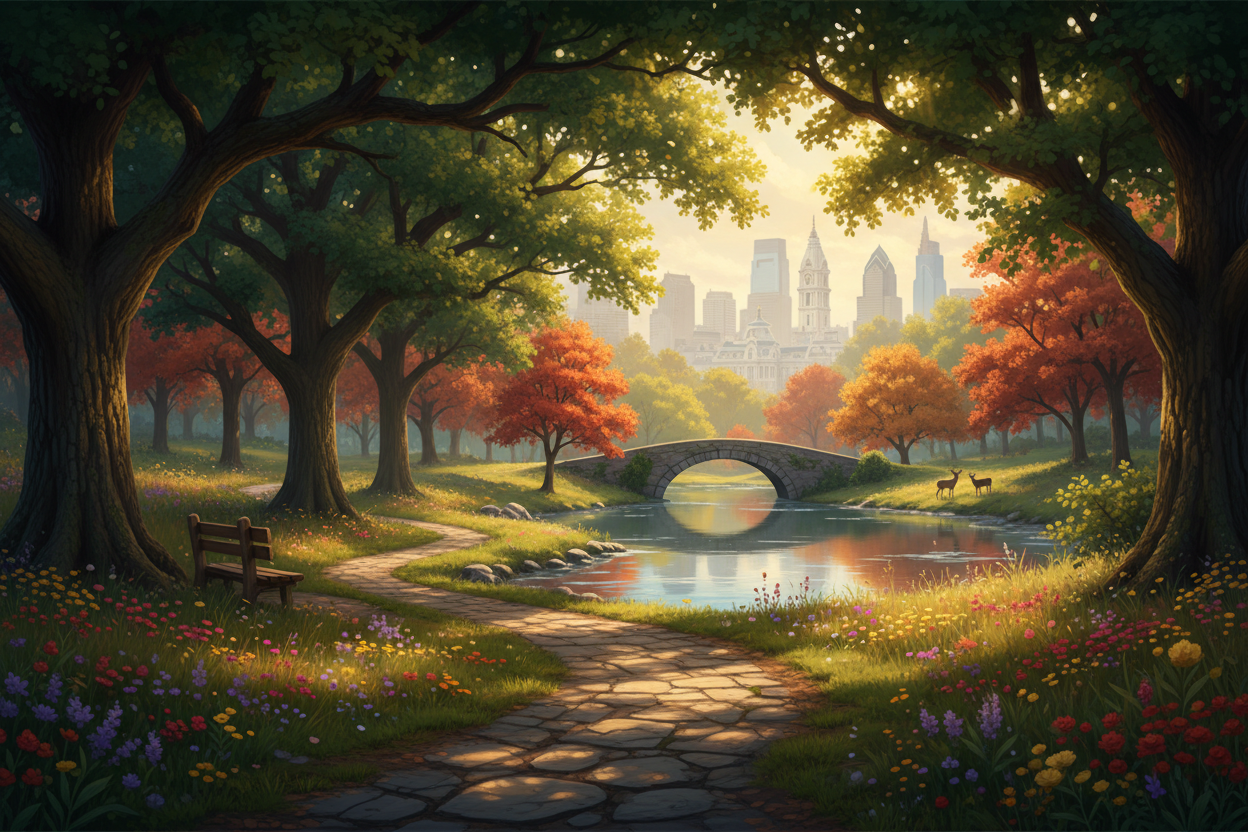
When most people think of Philadelphia, they picture Independence Hall, cheesesteaks, and the Liberty Bell. But tucked away in the heart of this bustling metropolis lies one of America’s largest urban park systems – Fairmount Park. Spanning over 9,200 acres, this green oasis holds countless hidden treasures that even longtime Philadelphians haven’t discovered. Today, I’m sharing some of the park’s best-kept secrets that will make you see the City of Brotherly Love in an entirely new light.
As someone who has spent countless weekends exploring every nook and cranny of Fairmount Park, I can tell you that this urban wilderness offers experiences that rival any national park. From secret gardens to hidden waterfalls, mysterious ruins to wildlife sanctuaries, Fairmount Park proves that you don’t need to leave the city to connect with nature in profound ways.
The Enchanting Shofuso Japanese House and Garden
Nestled within the Horticultural Center, the Shofuso Japanese House and Garden feels like stepping through a portal to ancient Japan. This authentic 17th-century-style house was actually built in Japan in 1953 and later reconstructed in Philadelphia. What makes this spot truly special isn’t just its stunning architecture – it’s the sense of tranquility that washes over you the moment you enter.
The garden surrounding Shofuso changes dramatically with the seasons. Spring brings delicate cherry blossoms that create a pink canopy over the carefully manicured pathways. Summer offers lush greenery and the gentle sound of water features, while autumn transforms the space into a tapestry of reds and golds. Even winter has its own stark beauty here, with snow-covered bridges and the clean lines of bare branches against the sky.
Many visitors miss the tea ceremonies held here during warmer months. These authentic demonstrations offer a glimpse into Japanese culture and philosophy that you simply can’t experience anywhere else in Philadelphia. The combination of the ceremonial tea preparation and the garden’s peaceful atmosphere creates a meditative experience that feels worlds away from urban life.
Hidden Waterfall at Wissahickon Valley Park
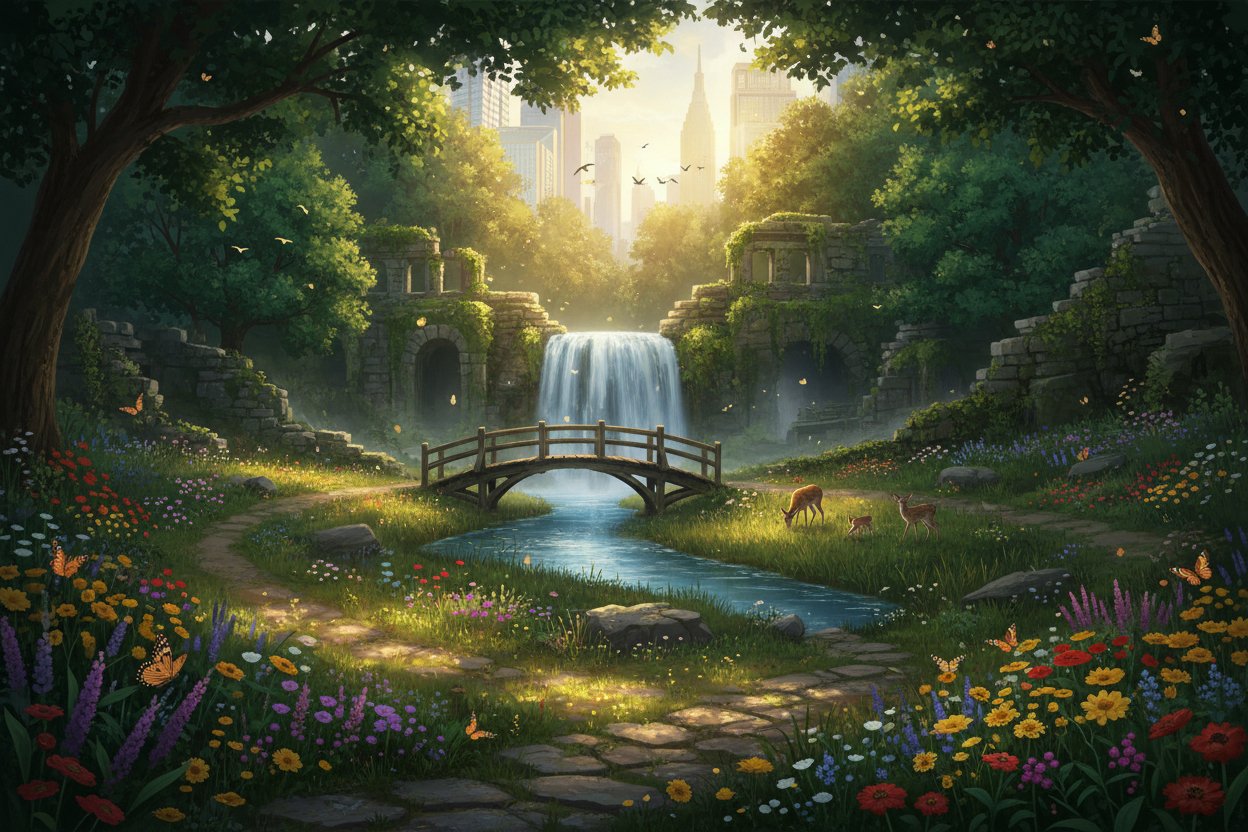
Here’s a secret that even some park rangers don’t advertise: there’s a legitimate waterfall hidden within the Wissahickon section of Fairmount Park. Devil’s Pool, located along the Wissahickon Creek, features a series of cascading falls that create natural swimming holes perfect for a refreshing dip on hot summer days.
The hike to Devil’s Pool isn’t marked on most park maps, which keeps it relatively crowd-free. You’ll need to follow the Forbidden Drive trail and then venture off onto one of the smaller paths that lead down to the creek. The sound of rushing water will guide you to this hidden gem. The rock formations here are particularly striking – smooth schist and gneiss carved by thousands of years of flowing water.
What makes Devil’s Pool truly magical is how the light filters through the canopy above, creating dancing patterns on the water’s surface. Photography enthusiasts will find endless opportunities here, especially during the golden hour when the warm light contrasts beautifully with the cool blues and greens of the water and surrounding forest.
The Mysterious Ruins of Solitude House
Few people know about the haunting ruins scattered throughout Fairmount Park, remnants of grand estates from Philadelphia’s gilded age. The most intriguing of these is what remains of Solitude House, built in 1784 by John Penn, grandson of Pennsylvania’s founder William Penn.
Walking through these ruins feels like exploring an archaeological site. Stone foundations outline rooms where elaborate dinner parties once took place. Crumbling walls still bear traces of original plaster and paint. Nature has slowly reclaimed much of the structure, with vines weaving through broken windows and trees growing up through what were once elegant floors.
The ruins are particularly atmospheric during foggy mornings or late afternoons when long shadows stretch across the grounds. Local historians believe several other estate ruins remain undiscovered throughout the park, hidden beneath decades of overgrowth. These forgotten pieces of Philadelphia’s past add an element of mystery and discovery to any park exploration.
Wildlife Watching at Carpenter’s Woods
Carpenter’s Woods, a 54-acre section of Fairmount Park, serves as an unexpected wildlife sanctuary in the heart of the city. This area has remained relatively undeveloped, creating a habitat that supports an impressive variety of urban wildlife that many city dwellers never knew existed.
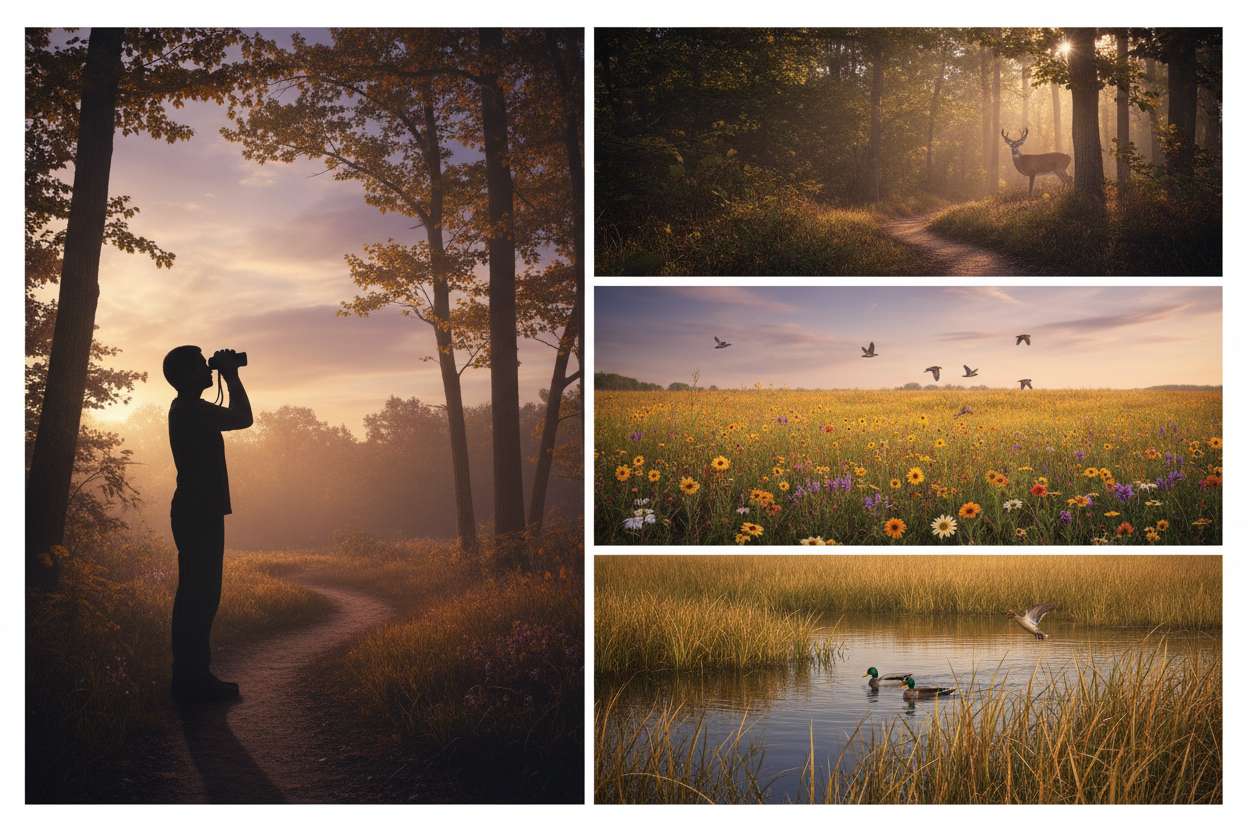
Early morning visits to Carpenter’s Woods often reward patient observers with sightings of white-tailed deer, red foxes, and even the occasional coyote. The bird watching here is exceptional – over 150 species have been documented in this small area alone. During migration seasons, you might spot warblers, thrushes, and other songbirds that use this green corridor as a rest stop on their long journeys.
The secret to successful wildlife watching in Carpenter’s Woods is timing and patience. Dawn and dusk are prime times when animals are most active. Bring binoculars and move slowly and quietly along the trails. The diversity of habitats within this compact area – from dense woodland to open meadows to wetland edges – creates opportunities to observe different species within a single visit.
The Secret Garden at Bartram’s Garden
While Bartram’s Garden is technically part of the greater Fairmount Park system, most visitors stick to the main house and formal gardens. However, the real magic happens in the lesser-known areas along the Schuylkill River. Here, you’ll find what locals call the “secret garden” – a wild, naturalistic landscape that showcases native Pennsylvania plants in their natural state.
This area was intentionally designed to look undesigned, mimicking the way native ecosystems develop naturally. Wildflower meadows burst with color from spring through fall, attracting butterflies, bees, and other pollinators. Winding paths meander through tall grasses and between mature trees, creating intimate spaces for quiet contemplation.
The secret garden also offers some of the best river views in the entire park system. Several hidden benches positioned along the waterfront provide perfect spots for watching rowing crews practice or simply observing the interplay of light on water. During sunset, this area becomes truly spectacular as the sky reflects in the river’s surface.
Underground Tunnels and Hidden Passages
Fairmount Park holds secrets beneath the surface as well. A network of forgotten tunnels and passages runs under various sections of the park, remnants of the city’s industrial past and infrastructure development. While most of these are sealed for safety reasons, some remain accessible to adventurous explorers who know where to look.
The most famous of these hidden passages is the tunnel system near the Please Touch Museum. Originally built as part of the 1876 Centennial Exhibition infrastructure, these passages once housed utilities and provided service access to the fairgrounds. Today, they create an underground world that few people ever see.
Exploring these areas requires caution and proper preparation – bring flashlights, wear appropriate footwear, and never venture alone. The tunnels offer a unique perspective on Philadelphia’s history and engineering, with original stonework and architectural details still visible after more than a century.
Seasonal Secrets: When to Visit Each Hidden Gem
The beauty of Fairmount Park’s hidden treasures is that each season reveals different aspects of their character. Spring brings wildflower blooms to the secret meadows and the full glory of cherry blossoms at Shofuso. This is also when migrating birds are most active in Carpenter’s Woods.
Summer offers the best opportunities for swimming at Devil’s Pool and exploring the underground passages when cooler temperatures make them more comfortable. The lush greenery during these months also provides better cover for wildlife watching.
Fall transforms the entire park into a canvas of brilliant colors, making it the ideal time for photography at the ruins and along the hidden trails. The cooler weather also makes longer hikes more enjoyable, perfect for discovering new secret spots.
Winter reveals the park’s hidden architecture – both natural and man-made. Snow outlines the ruins more clearly, and the bare trees expose views and pathways that remain hidden during leafier seasons. Ice formations at the waterfall create entirely new sculptural elements that exist only during the coldest months.
Planning Your Secret Adventure
Discovering Fairmount Park’s hidden gems requires a different approach than typical sightseeing. Start early in the day when crowds are minimal and wildlife is most active. Wear comfortable hiking shoes and bring water, as some of these locations require walking on uneven terrain or unmarked paths.
Consider visiting during weekdays when possible – the secret spots become truly secret when you have them to yourself. Download offline maps to your phone, as cell service can be spotty in some of the more remote areas of the park.
Most importantly, approach these hidden treasures with respect. These areas remain pristine because visitors treat them carefully. Follow Leave No Trace principles, stay on designated paths where they exist, and help preserve these special places for future explorers to discover.
Philadelphia’s Fairmount Park proves that urban nature can be just as wild, mysterious, and inspiring as any remote wilderness. These hidden gems offer city dwellers and visitors alike the chance to experience genuine solitude, natural beauty, and historical intrigue without ever leaving the metropolitan area. Whether you’re seeking adventure, tranquility, or simply a new perspective on a familiar city, Fairmount Park’s best-kept secrets are waiting to be discovered. The next time you find yourself in Philadelphia, skip the typical tourist attractions and venture into the park’s hidden corners – you might just find that the city’s greatest treasures have been hiding in plain sight all along.