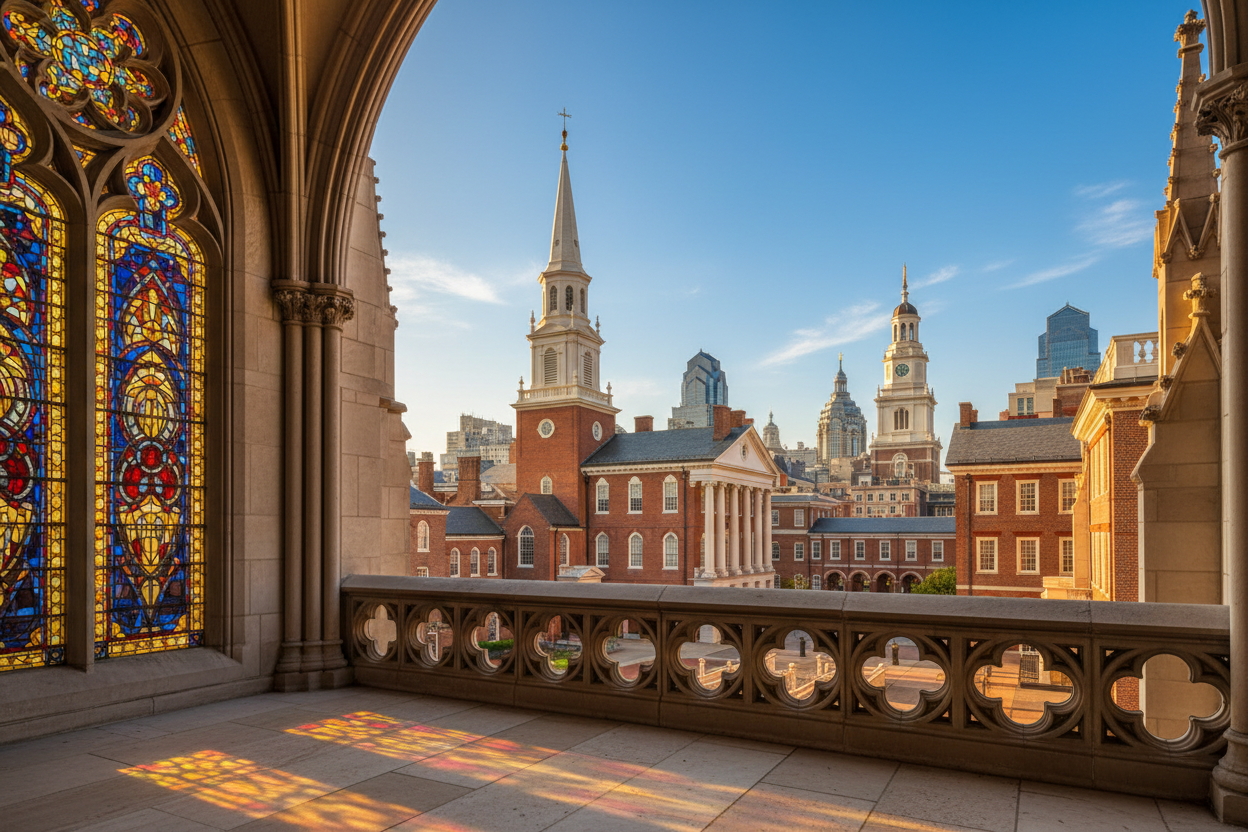
Philadelphia’s Most Beautiful Churches and Religious Sites: A Journey Through Sacred Architecture
Philadelphia, the City of Brotherly Love, stands as a testament to America’s rich religious heritage. From colonial-era meetinghouses to stunning Gothic cathedrals, the city’s sacred spaces tell stories of faith, community, and architectural brilliance that span over three centuries. Whether you’re a history enthusiast, architecture lover, or spiritual seeker, Philadelphia’s churches and religious sites offer an extraordinary glimpse into the soul of this historic city.
Walking through Philadelphia’s neighborhoods, you’ll discover that these sacred buildings aren’t just places of worship – they’re living museums that showcase everything from Byzantine mosaics to contemporary stained glass masterpieces. Each structure carries the dreams and devotion of countless generations, making them essential stops for anyone wanting to understand the true character of Philadelphia.
Cathedral Basilica of Saints Peter and Paul: A Masterpiece of Sacred Architecture
Standing majestically on the Benjamin Franklin Parkway, the Cathedral Basilica of Saints Peter and Paul serves as the mother church of the Archdiocese of Philadelphia. This stunning example of Italian Renaissance architecture has been capturing hearts and minds since its completion in 1864. The cathedral’s imposing dome, modeled after St. Charles Borromeo in Rome, creates a dramatic silhouette against Philadelphia’s skyline.
Step inside, and you’ll be greeted by breathtaking frescoes that cover nearly every surface. The artwork, completed by Italian artist Nicola Monachesi, depicts scenes from the lives of saints and biblical narratives with remarkable detail and vibrant colors. The cathedral’s acoustics are equally impressive, making it a popular venue for concerts and special religious ceremonies.
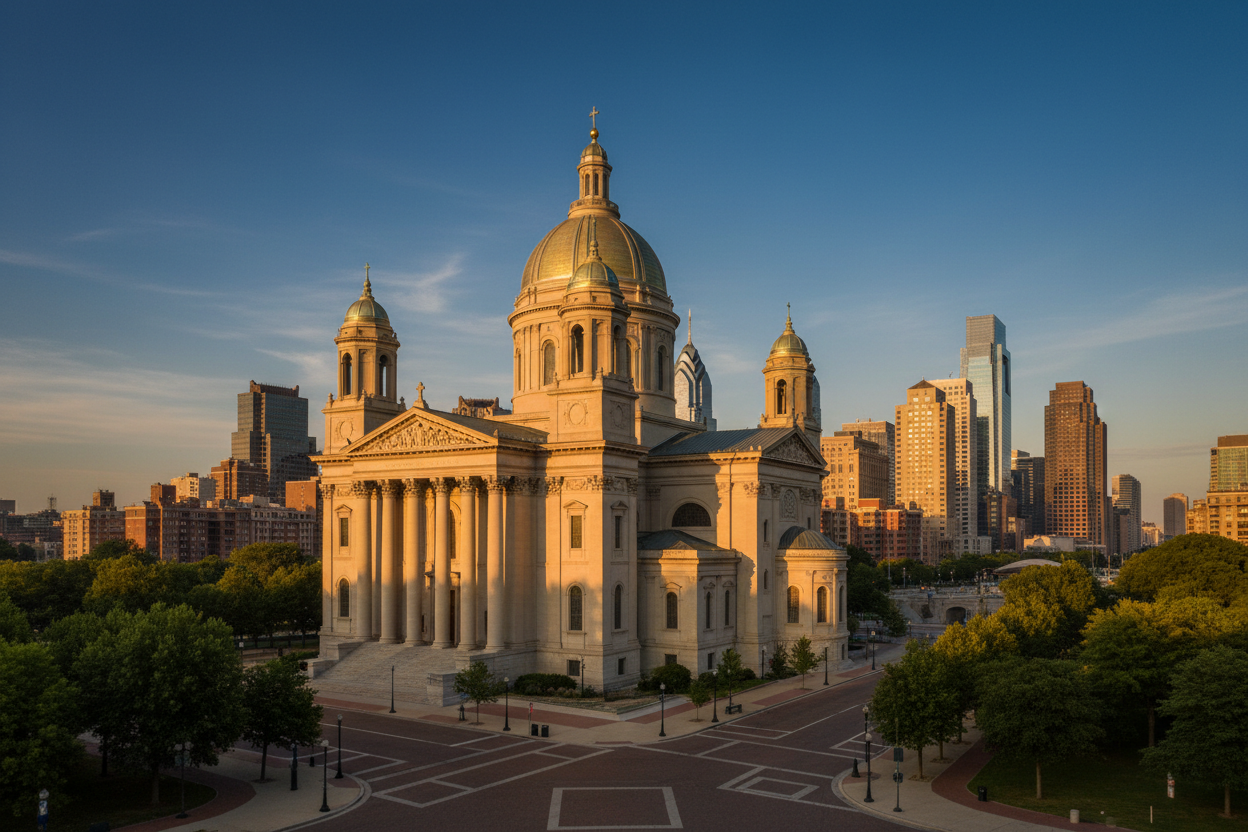
What makes this cathedral particularly special is its role in Philadelphia’s spiritual and cultural life. Pope Francis celebrated Mass here during his historic 2015 visit to Philadelphia, cementing its place as one of America’s most significant Catholic landmarks. The cathedral welcomes visitors daily, offering both guided tours and quiet moments for reflection.
Christ Church: Where America’s Founding Fathers Worshipped
Known as “The Nation’s Church,” Christ Church in Old City Philadelphia holds an unparalleled place in American history. Built in 1744, this Georgian-style Anglican church welcomed some of the most influential figures in American history through its doors. George Washington, Benjamin Franklin, John Adams, and other founding fathers regularly attended services here, making it a crucial part of America’s founding story.
The church’s striking white steeple, which was the tallest structure in North America for over 50 years, continues to serve as a beacon in Philadelphia’s historic district. Inside, you’ll find the original high-backed pews where these historical giants once sat, along with beautiful Palladian windows that flood the space with natural light.
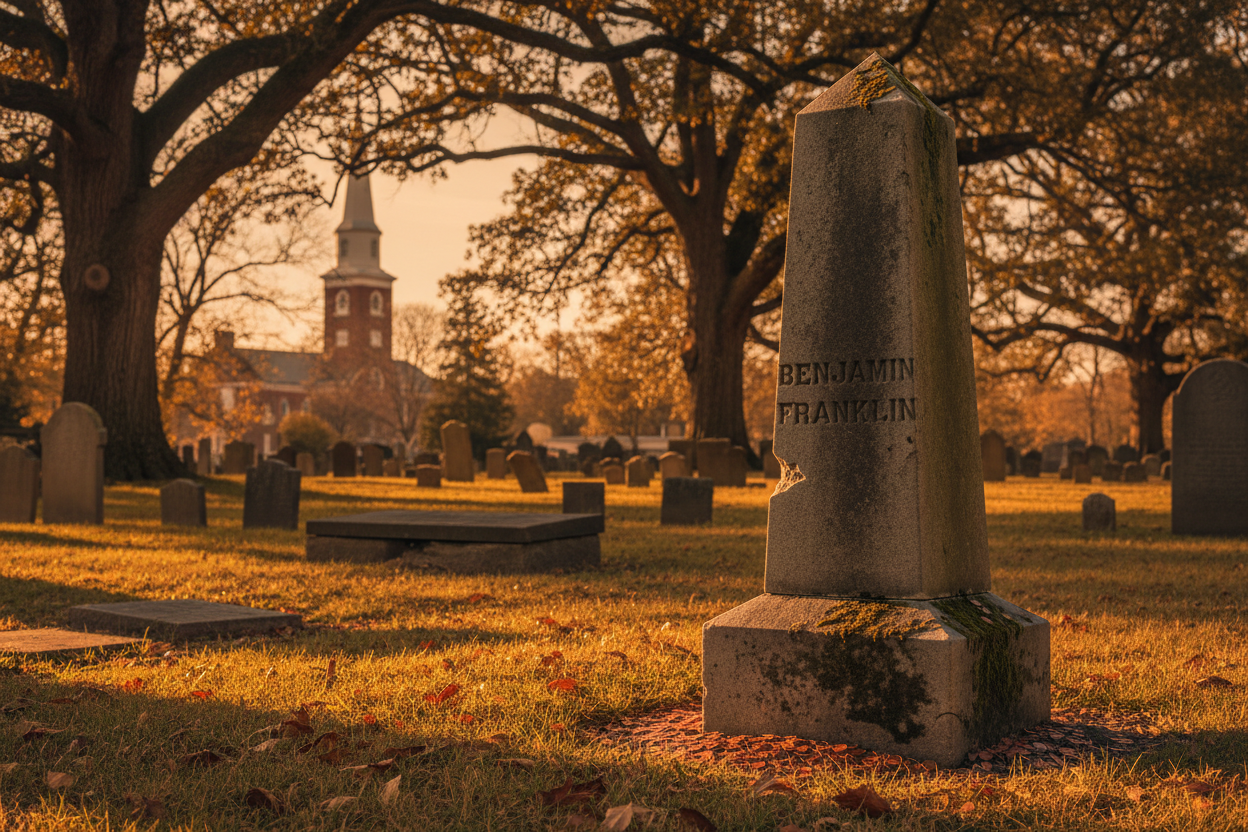
Christ Church’s burial ground, located just a few blocks away, houses the graves of five signers of the Declaration of Independence, including Benjamin Franklin. Visitors often leave pennies on Franklin’s grave, continuing a tradition that honors his famous saying, “A penny saved is a penny earned.” The church offers regular tours that bring these stories to life, making history feel immediate and personal.
Congregation Mikveh Israel: Philadelphia’s Historic Synagogue
Founded in 1740, Congregation Mikveh Israel stands as the oldest continuous Jewish congregation in Philadelphia and one of the oldest in the United States. This Sephardic synagogue has played a vital role in American Jewish history, with members including Haym Salomon, the financier who helped fund the American Revolution.
The current synagogue building, completed in 1976, beautifully blends traditional and contemporary elements. The sanctuary features stunning stained glass windows that tell the story of Jewish history, while the ark housing the Torah scrolls showcases exquisite craftsmanship. The synagogue’s museum displays artifacts spanning centuries of Jewish life in Philadelphia, including items from the colonial period.
What makes Mikveh Israel particularly meaningful is its connection to religious freedom in America. George Washington himself wrote to the congregation in 1790, affirming the new nation’s commitment to religious liberty. This letter, along with other historical documents, can be viewed during guided tours that illuminate the synagogue’s crucial role in American Jewish heritage.
Mother Bethel AME Church: The Birthplace of a Movement
Mother Bethel African Methodist Episcopal Church holds the distinction of being the oldest piece of real estate continuously owned by African Americans in the United States. Founded in 1787 by Richard Allen, a former slave who became a prominent minister, this church represents the birthplace of the African Methodist Episcopal denomination.
The current Gothic Revival building, completed in 1890, stands on the same site where Allen first established his congregation. The church’s museum houses an impressive collection of artifacts related to African American religious history, including Allen’s original pulpit and tomb, which can be viewed in the church’s lower level.
Mother Bethel’s significance extends far beyond its architectural beauty. It served as a crucial stop on the Underground Railroad and continues to be a center for social justice advocacy. The church’s stained glass windows depict scenes from African American history, creating a powerful visual narrative of struggle, faith, and triumph that resonates with visitors from all backgrounds.
St. Peter’s Episcopal Church: Colonial Elegance Preserved
Tucked away in Society Hill, St. Peter’s Episcopal Church offers visitors a remarkably preserved example of colonial religious architecture. Built in 1761, this church has maintained its original character while serving its congregation for over 260 years. The building’s simple yet elegant design reflects the refined taste of Philadelphia’s colonial elite.
The church’s interior features box pews, a wine-glass pulpit, and clear glass windows that create an atmosphere of serene contemplation. Unlike many churches of its era, St. Peter’s has retained most of its original furnishings, providing an authentic glimpse into 18th-century religious life.
St. Peter’s churchyard serves as the final resting place for several notable Philadelphians, including seven Native American chiefs who died during treaty negotiations in the 1790s. The peaceful cemetery, with its weathered headstones and ancient trees, offers a quiet retreat from the bustling city and a tangible connection to Philadelphia’s colonial past.
Arch Street Meeting House: Quaker Simplicity and Strength
The Arch Street Meeting House, built in 1804, stands as the largest Quaker meetinghouse in the world. This imposing brick structure embodies the Quaker principles of simplicity and equality while accommodating up to 3,000 worshippers. The building’s austere beauty reflects the Religious Society of Friends’ belief that elaborate decoration distracts from spiritual contemplation.
Inside, you’ll find rows of simple wooden benches arranged to face each other, emphasizing the Quaker belief in the equality of all worshippers. The meetinghouse still hosts active worship services, maintaining traditions that date back to the 17th century. Visitors can experience the profound silence of Quaker worship and learn about the denomination’s crucial role in social reform movements.
The meetinghouse also serves as a museum of Quaker history, displaying artifacts and documents that tell the story of Pennsylvania’s founding and the Quakers’ contributions to American society. William Penn’s legacy comes alive here, reminding visitors of Philadelphia’s origins as a “holy experiment” in religious tolerance.
Visiting Philadelphia’s Sacred Spaces: Practical Information
Most of Philadelphia’s historic churches and religious sites welcome visitors throughout the week, though hours may vary depending on services and special events. Many offer guided tours that provide deeper insights into their history and significance. It’s always wise to check websites or call ahead to confirm visiting hours and tour availability.
When visiting these sacred spaces, remember that they remain active places of worship. Dress respectfully, speak quietly, and be mindful of ongoing religious services or private prayer. Photography policies vary by location, so it’s courteous to ask permission before taking pictures.
Many of these sites are within walking distance of each other, particularly in the Old City and Society Hill neighborhoods. Consider purchasing a Philadelphia CityPASS or exploring these locations as part of a self-guided walking tour to make the most of your spiritual and historical journey through the city.
Conclusion: A Living Testament to Faith and History
Philadelphia’s beautiful churches and religious sites offer more than architectural splendor – they provide windows into the soul of American history and the enduring power of faith. From the founding fathers’ pews at Christ Church to the simple benches of the Arch Street Meeting House, these sacred spaces continue to inspire visitors with their stories of courage, conviction, and community.
Whether you’re drawn by historical curiosity, architectural appreciation, or spiritual seeking, Philadelphia’s religious landmarks provide profound experiences that connect past and present. These buildings have witnessed the birth of a nation, the struggle for civil rights, and countless personal moments of faith and reflection. They remind us that in our increasingly fast-paced world, there are still places where time seems to slow down, inviting us to contemplate life’s deeper meanings.
Plan your visit to these remarkable sites and discover for yourself why Philadelphia’s churches and religious buildings continue to move and inspire people from around the world. In doing so, you’ll not only explore beautiful architecture but also connect with the spiritual heritage that helped shape America itself.