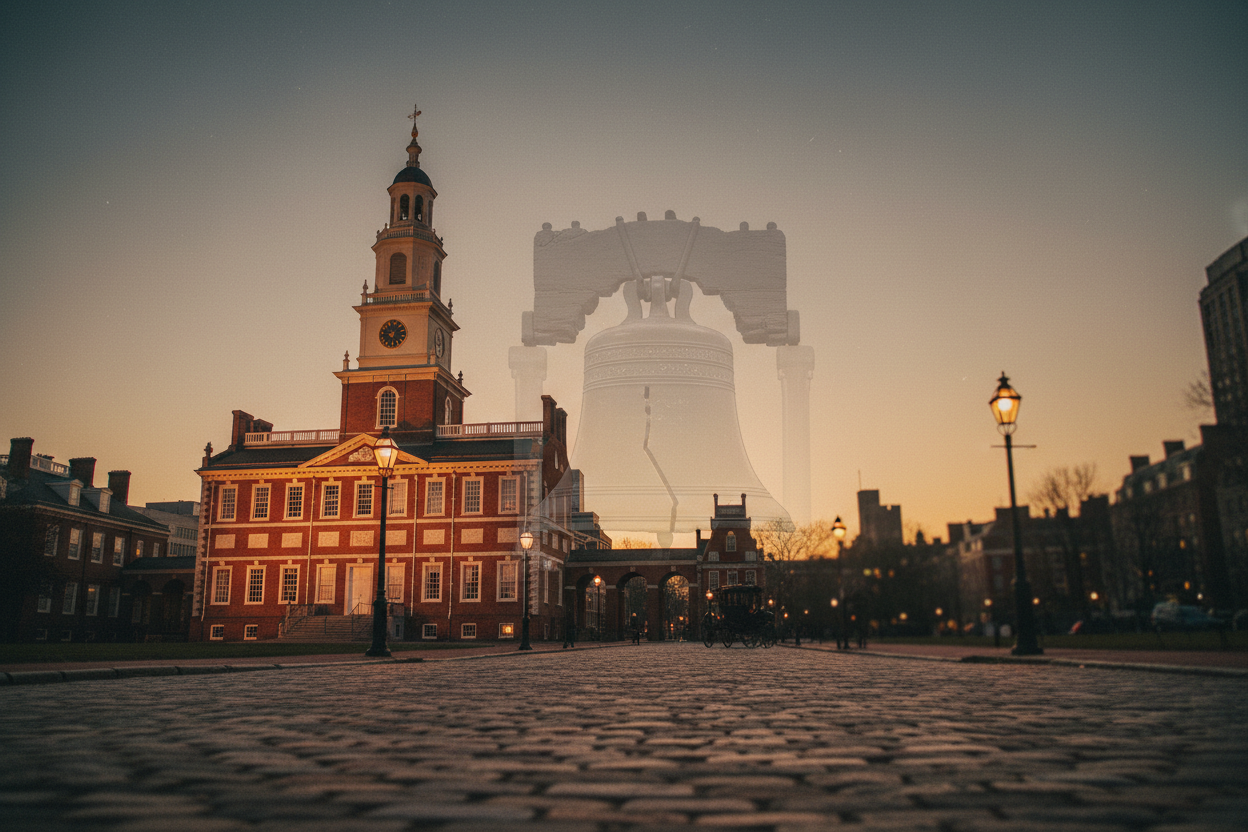
How to Experience Philadelphia’s Revolutionary History in One Perfect Weekend
Philadelphia isn’t just another American city – it’s the birthplace of our nation, where the Declaration of Independence was signed and the Constitution was crafted. If you’ve ever wondered what it would be like to walk in the footsteps of Benjamin Franklin, George Washington, and the other founding fathers, a weekend in Philly offers the perfect opportunity to immerse yourself in Revolutionary War history without feeling rushed.
I’ve spent countless weekends exploring Philadelphia’s historic sites, and I can tell you that two days is just enough time to experience the most significant Revolutionary landmarks while still having moments to pause and truly absorb the weight of history around you. Whether you’re a history buff or someone who simply wants to connect with America’s founding story, this guide will help you make the most of your Philadelphia weekend adventure.
Friday Evening: Setting the Revolutionary Stage
Arrive in Philadelphia on Friday evening and start your Revolutionary journey with a leisurely stroll through Old City. The cobblestone streets and 18th-century architecture immediately transport you back in time. I recommend checking into a hotel near Independence Hall – you’ll be within walking distance of most major sites, and there’s something magical about waking up in the heart of where American democracy was born.
For dinner, head to City Tavern, a meticulously recreated 18th-century tavern where the founding fathers once dined. The restaurant serves period-appropriate dishes using recipes from the Revolutionary era. While the prices reflect modern standards, the experience of eating Thomas Jefferson’s favorite ice cream or sampling George Washington’s preferred ale creates the perfect mood for your historical weekend.
After dinner, take an evening ghost tour through the historic district. These tours combine Revolutionary history with tales of the supernatural, offering entertaining stories about the spirits that allegedly still roam Philadelphia’s oldest buildings. It’s a fun way to get oriented with the city’s layout while learning fascinating historical tidbits you won’t find in textbooks.
Saturday Morning: Independence National Historical Park
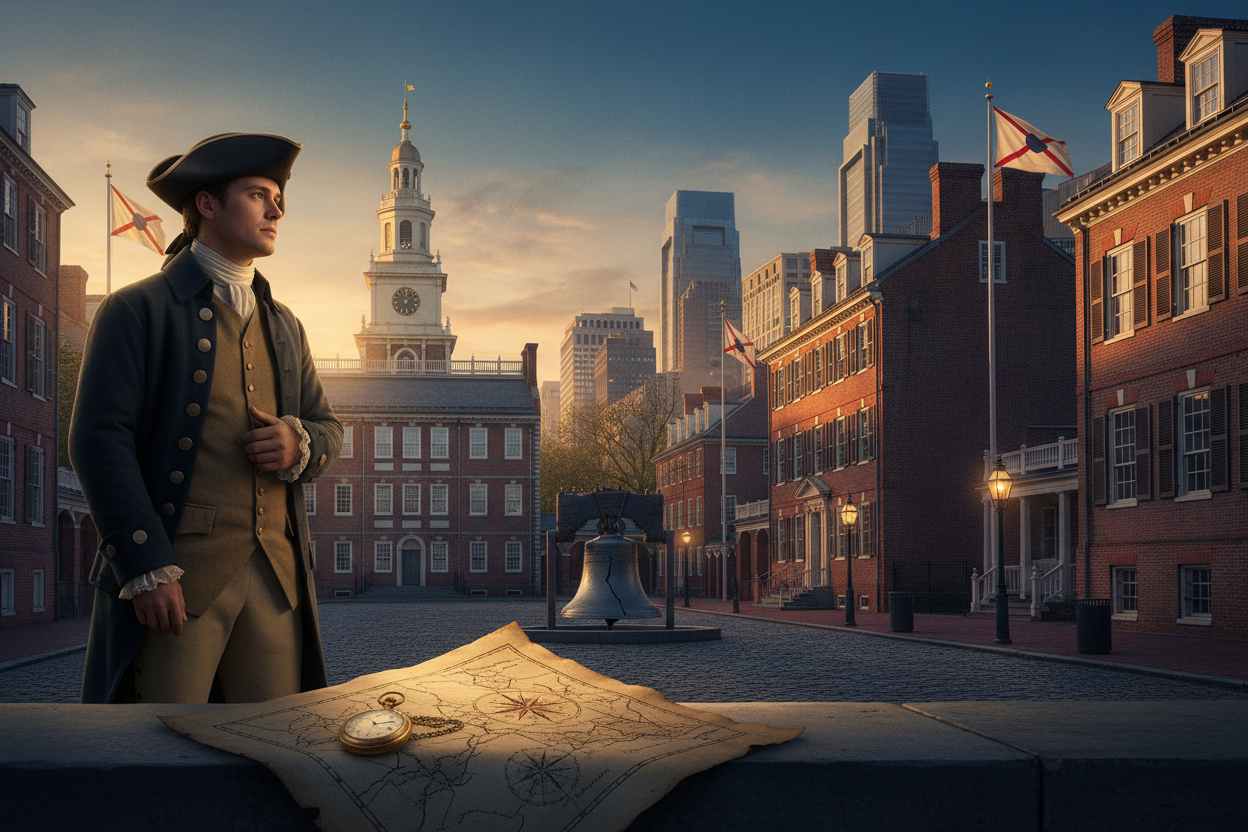
Start your Saturday early at Independence National Historical Park, often called “America’s most historic square mile.” Arrive at the Independence Visitor Center when it opens at 8:30 AM to secure timed tickets for Independence Hall – these free tickets are required and can sell out during peak season.
Begin with the Liberty Bell Center, where you’ll see the famous cracked bell that became a symbol of American freedom. The multimedia presentations provide excellent context about the bell’s role in American history and its evolution into an icon of liberty. The center offers great views of Independence Hall, perfect for photos and getting your bearings.
Next, tour Independence Hall itself, where both the Declaration of Independence and the U.S. Constitution were debated and signed. Standing in the Assembly Room where these pivotal moments occurred is genuinely moving. The park rangers who lead these tours are incredibly knowledgeable and bring the history to life with vivid storytelling and fascinating details about the founding fathers’ personalities and conflicts.
Don’t miss Congress Hall, where the U.S. Congress met from 1790 to 1800. Here, George Washington was inaugurated for his second term, and the Bill of Rights was added to the Constitution. The restored chambers help you visualize how early American government actually functioned.
Saturday Afternoon: Benjamin Franklin’s Philadelphia
After lunch, dedicate your afternoon to exploring Benjamin Franklin’s Philadelphia. Start at Franklin Court, where Franklin’s house once stood. While the original building is gone, an ingenious “ghost structure” outlines where it existed, and underground exhibits showcase Franklin’s incredible inventions and achievements.
The nearby Printing Office and Bindery demonstrates 18th-century printing techniques, showing how Franklin’s printing business operated. You can watch artisans create publications using period equipment, and the smell of ink and paper adds an authentic sensory element to your historical experience.
Walk to Christ Church, known as “America’s Church,” where Franklin, Washington, and other founding fathers worshipped. Franklin and his wife Deborah are buried in the attached cemetery. Many visitors toss pennies on Franklin’s grave for good luck – a tradition that would probably amuse the practical inventor.
End your afternoon at the Museum of the American Revolution, which opened in 2017 and offers the most comprehensive Revolutionary War experience in Philadelphia. The museum’s immersive exhibits include Washington’s actual war tent and interactive displays that make you feel like you’re experiencing the Revolution firsthand. Plan to spend at least two hours here – it’s worth every minute.
Saturday Evening: Revolutionary Dining and Entertainment
For Saturday dinner, make reservations at Talula’s Garden in Washington Square, a farm-to-table restaurant that sits near where Revolutionary soldiers were once buried. The modern American cuisine provides a nice contrast to your day of historical exploration, and the restaurant’s garden setting offers a peaceful respite.
If you’re interested in evening entertainment, check if the Walnut Street Theatre is performing any historically-themed productions. As America’s oldest theater, it has been entertaining Philadelphia audiences since 1809, just a generation after the Revolution.
Sunday Morning: Revolutionary War Sites and Battlefields
Start Sunday with a visit to Carpenter’s Hall, where the First Continental Congress met in 1774. This lesser-known site is often overlooked, but it’s where colonial delegates first came together to organize resistance against British rule. The building is beautifully preserved and offers a quieter, more contemplative historical experience.
Next, explore Washington Square, one of Philadelphia’s original public squares. During the Revolutionary War, it served as a burial ground for soldiers and prisoners. Today, it’s a peaceful park with the Tomb of the Unknown Revolutionary War Soldier, providing a somber reminder of the war’s human cost.
If you have a car or don’t mind a short drive, visit Chadds Ford, about 30 minutes from downtown Philadelphia. The Brandywine Battlefield is where Washington suffered a significant defeat in 1777, but the site offers excellent interpretation of Revolutionary War military strategy and the challenges faced by the Continental Army.
Sunday Afternoon: Colonial Life and Crafts
Return to Philadelphia for lunch and spend your final afternoon at Elfreth’s Alley, America’s oldest continuously inhabited residential street. The narrow cobblestone lane looks much as it did in colonial times, and several houses are open for tours. The contrast between how ordinary colonists lived versus the grand meeting halls where history was made provides valuable perspective on Revolutionary-era life.
Visit the Betsy Ross House, where legend says the first American flag was sewn. While historians debate the story’s accuracy, the house offers insights into 18th-century domestic life and the role women played during the Revolution. The upholstery shop demonstration shows how Betsy Ross actually made her living.
End your weekend at the National Constitution Center, an interactive museum dedicated to the U.S. Constitution. The “Signers’ Hall” features life-size bronze statues of all the Constitution’s signers, allowing you to literally stand among the founding fathers. The museum’s multimedia presentations help connect Revolutionary-era decisions to modern American life.
Practical Tips for Your Revolutionary Weekend
Wear comfortable walking shoes – you’ll cover several miles on cobblestone streets and historic sites. Many attractions are within walking distance of each other, making Philadelphia one of the most walkable historical destinations in America.
Purchase a Philadelphia CityPASS if you plan to visit multiple paid attractions. It includes admission to several historical sites and can save money while simplifying your planning.
Book restaurant reservations in advance, especially for historically-themed establishments. Philadelphia’s food scene is excellent, and popular restaurants fill up quickly on weekends.
Check weather forecasts and dress in layers. Many historical sites involve outdoor walking, and Philadelphia weather can change quickly.
Making Your Revolutionary Weekend Unforgettable
A weekend in Philadelphia offers an unparalleled opportunity to experience American Revolutionary history firsthand. From standing in Independence Hall where democracy was born to walking the same streets as Benjamin Franklin, every moment connects you to the brave individuals who shaped our nation.
The beauty of Philadelphia’s historical sites lies not just in their significance, but in their accessibility. You can easily walk from the Liberty Bell to Independence Hall to Franklin’s grave, creating a seamless narrative of Revolutionary events and personalities. The city has done an excellent job preserving and interpreting these sites, making complex historical events understandable and relevant to modern visitors.
What makes this weekend truly special is how Philadelphia allows you to experience history rather than just learn about it. You’re not reading about the Declaration of Independence – you’re standing where it was signed. You’re not studying Benjamin Franklin – you’re visiting his neighborhood and seeing his inventions. This immersive approach to history creates lasting memories and a deeper appreciation for the Revolutionary generation’s achievements.
Your Revolutionary weekend in Philadelphia will leave you with a profound understanding of how a small group of colonial rebels created the foundation for American democracy. More importantly, you’ll gain appreciation for the courage, compromise, and vision required to birth a nation. In our current times, when democracy faces various challenges, walking in the footsteps of the founding fathers provides both inspiration and perspective on the enduring importance of the American experiment they began in Philadelphia’s historic halls.