Philadelphia vs Boston: Which City Has Better Revolutionary War History?
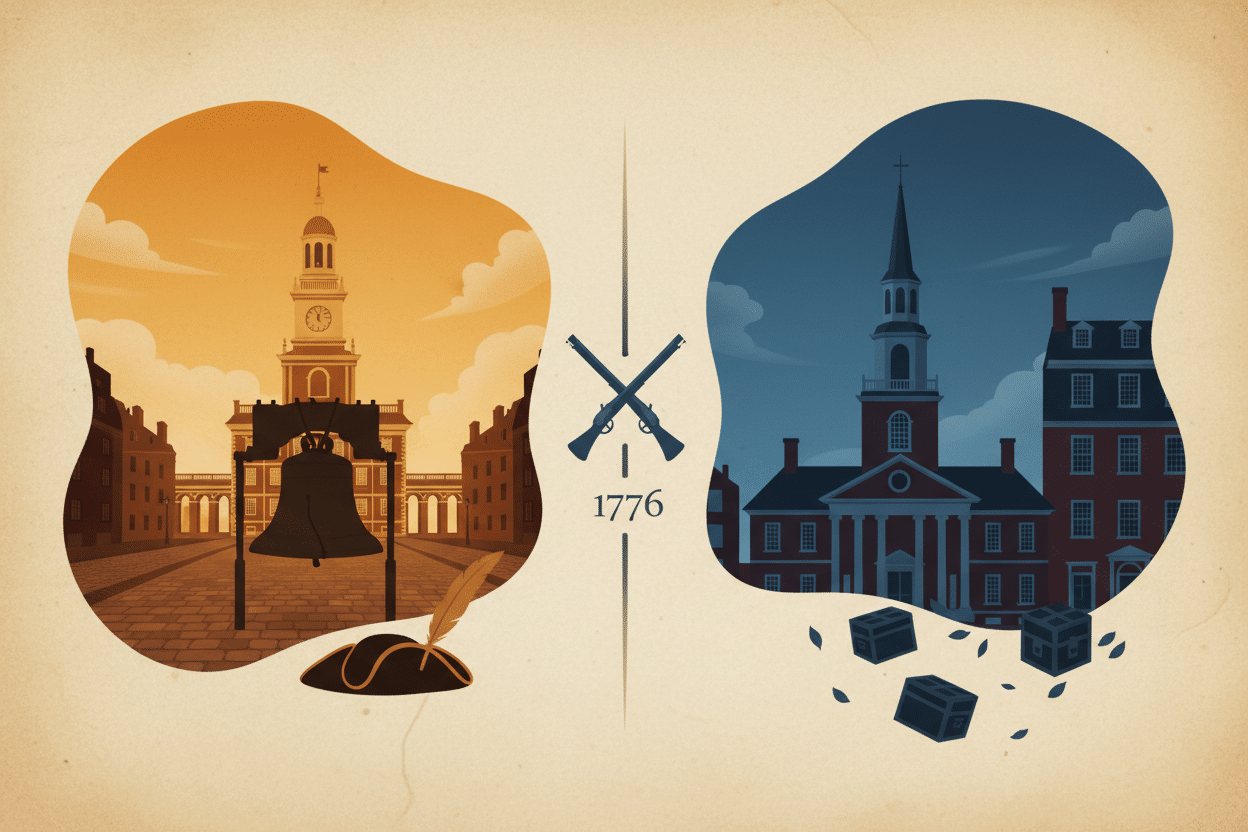
Standing in Independence Hall where the Declaration of Independence was signed, or walking the cobblestone streets where the Boston Tea Party unfolded – both experiences send chills down your spine. But if you’re planning a Revolutionary War history trip and can only choose one destination, which city truly offers the richer historical experience? This age-old debate between Philadelphia and Boston has sparked countless discussions among history buffs, and today we’re diving deep into what makes each city special.
Both Philadelphia and Boston played pivotal roles in America’s fight for independence, but they contributed in distinctly different ways. While Boston ignited the revolutionary spirit with its acts of defiance, Philadelphia became the political heart where independence was formally declared and the nation was born. Let’s explore what each city brings to the table and help you decide which destination deserves the top spot on your historical itinerary.
Boston: The Cradle of American Revolution
Boston rightfully earns its nickname as the “Cradle of American Revolution.” This city didn’t just witness history – it actively created the conditions that made the Revolutionary War inevitable. The streets of Boston tell a story of escalating tensions, bold protests, and the kind of grassroots activism that would ultimately reshape the world.
The Boston Massacre of 1770 marked a turning point in colonial-British relations. Standing at the site today, marked by a simple cobblestone circle, you can almost hear the echoes of that fateful night when British soldiers fired into a crowd of colonists. This event, masterfully publicized by Samuel Adams and Paul Revere, turned public opinion decisively against British rule.
Then came the Boston Tea Party in 1773, perhaps the most famous act of civil disobedience in American history. The Boston Tea Party Ships & Museum brings this pivotal moment to life with remarkable authenticity. You can actually participate in a reenactment, dumping tea into the harbor just as the Sons of Liberty did over 250 years ago. It’s one thing to read about taxation without representation – it’s another to experience the frustration firsthand.
Boston’s revolutionary credentials extend far beyond these famous events. The city was home to revolutionary leaders like Samuel Adams, John Hancock, and Paul Revere. Walking the Freedom Trail, you’ll visit their homes, workplaces, and meeting spots. The Old South Meeting House, where the Boston Tea Party was planned, still stands as a testament to the power of organized resistance.
Philadelphia: Where Independence Was Born
If Boston was the spark that ignited the revolution, Philadelphia was the forge where American independence was hammered into reality. This city served as the de facto capital of the emerging nation, hosting the Continental Congress and witnessing the birth of American democracy.
Independence Hall stands as the crown jewel of Philadelphia’s Revolutionary War heritage. Within these walls, the Declaration of Independence was debated, written, and signed. The Constitution was also crafted here more than a decade later. Standing in the Assembly Room where these world-changing documents came to life is genuinely awe-inspiring. You can almost feel the weight of history in the air as you imagine the Founding Fathers grappling with concepts that would define a new nation.
The Liberty Bell, despite its famous crack, remains one of America’s most powerful symbols of freedom. While its role during the Revolutionary War has been somewhat romanticized over time, it represents the ideals that drove the colonists to seek independence. The Liberty Bell Center does an excellent job of separating fact from fiction while celebrating the bell’s symbolic importance.
Philadelphia’s revolutionary story extends beyond these iconic sites. Carpenters’ Hall hosted the First Continental Congress in 1774, where delegates from twelve colonies gathered to coordinate their response to British policies. Christ Church, where many Founding Fathers worshipped, still holds services today. The city’s Betsy Ross House tells the story of the woman traditionally credited with sewing the first American flag, though historians debate the accuracy of this claim.
Comparing Revolutionary War Sites and Museums
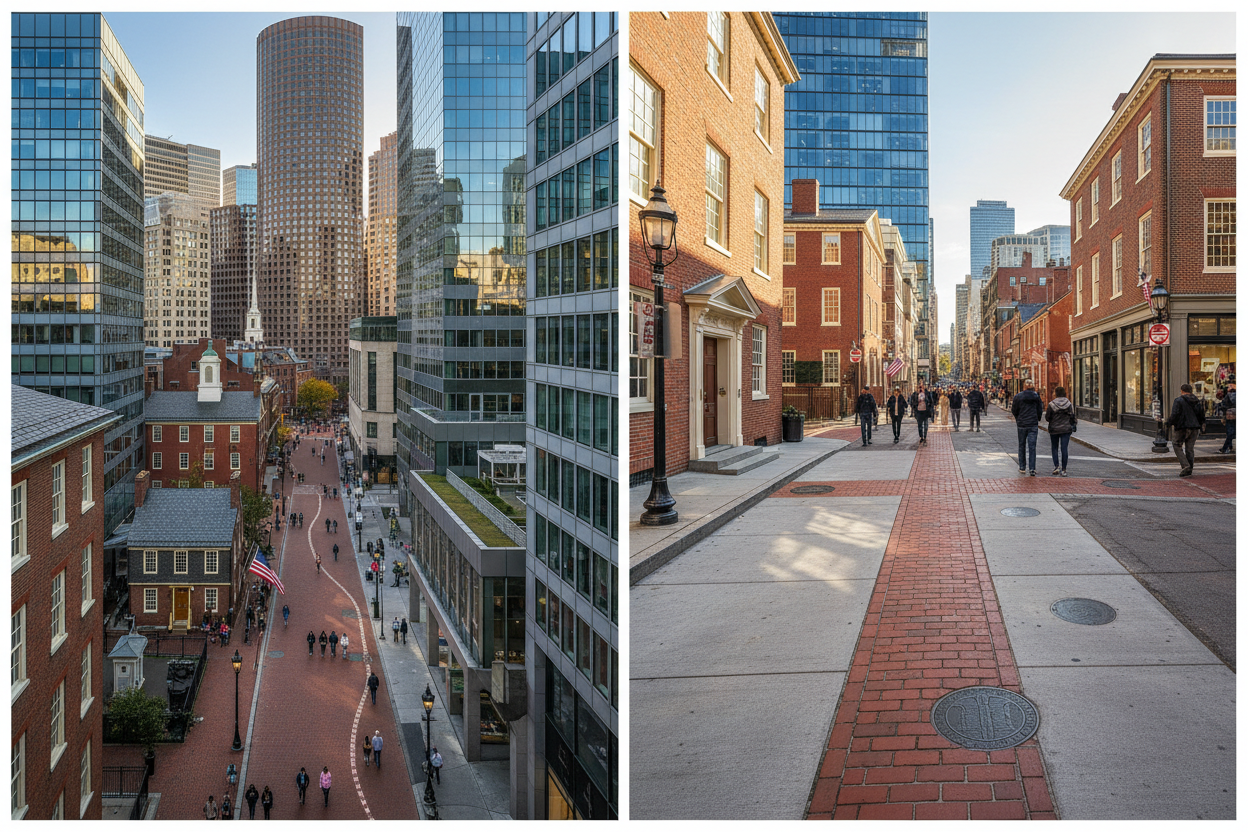
When it comes to sheer number of Revolutionary War sites, both cities offer impressive collections, but they differ in character and presentation. Boston’s sites tend to be more integrated into the modern cityscape, creating an almost seamless blend of past and present. The Freedom Trail brilliantly connects sixteen historical sites with a simple red brick path, making it easy for visitors to experience the full scope of Boston’s revolutionary history in a single day.
Philadelphia takes a more concentrated approach, with most major sites clustered in Independence National Historical Park. This creates an intense, focused experience where you can spend hours diving deep into specific aspects of the independence movement. The National Constitution Center adds a modern interpretive element that helps visitors understand how revolutionary ideals evolved into the governmental system we know today.
In terms of museum quality, both cities excel but in different ways. Boston’s museums tend to emphasize the grassroots nature of the revolution, showing how ordinary colonists became extraordinary patriots. The Boston Tea Party Ships & Museum and the Paul Revere House excel at making history tangible and personal.
Philadelphia’s museums focus more on the intellectual and political aspects of independence. The Museum of the American Revolution, which opened in 2017, offers a comprehensive look at the entire conflict, featuring artifacts like George Washington’s war tent and immersive exhibits that bring the revolutionary period to life.
Historical Accuracy and Preservation
Both cities have made significant efforts to preserve their Revolutionary War heritage, though they’ve faced different challenges. Boston’s sites are generally older and have been continuously occupied or maintained for centuries. Many buildings, like the Old North Church and Faneuil Hall, have been in continuous use since colonial times, which adds authenticity but sometimes complicates historical interpretation.
Philadelphia’s Independence Hall underwent extensive restoration to return it to its 18th-century appearance. This meticulous work means visitors see the room much as the Founding Fathers would have, complete with period furniture and historically accurate details. However, some critics argue that this creates a somewhat sanitized version of history.
Both cities have grappled with the complex legacy of the Revolutionary War era, including the contradiction of fighting for freedom while maintaining slavery. Recent years have seen efforts to present more complete and nuanced historical narratives that acknowledge these uncomfortable truths alongside the inspiring ideals of independence.
The Visitor Experience: Accessibility and Engagement
From a practical standpoint, both cities offer excellent visitor experiences, but they cater to different preferences. Boston’s compact downtown and excellent public transportation make it easy to visit multiple sites without a car. The Freedom Trail is particularly family-friendly, offering a clear path through history that works well for visitors of all ages.
Philadelphia’s Independence National Historical Park provides a more structured experience with timed entry tickets for Independence Hall and organized tours that ensure you don’t miss important details. The park rangers are exceptionally knowledgeable and skilled at bringing history to life through storytelling.
Both cities offer excellent educational programs for students and history enthusiasts. Boston’s emphasis on participatory experiences, like the Tea Party reenactment, appeals to kinesthetic learners, while Philadelphia’s focus on documents and political philosophy attracts those interested in the intellectual foundations of American democracy.
Beyond the Revolution: Additional Historical Context
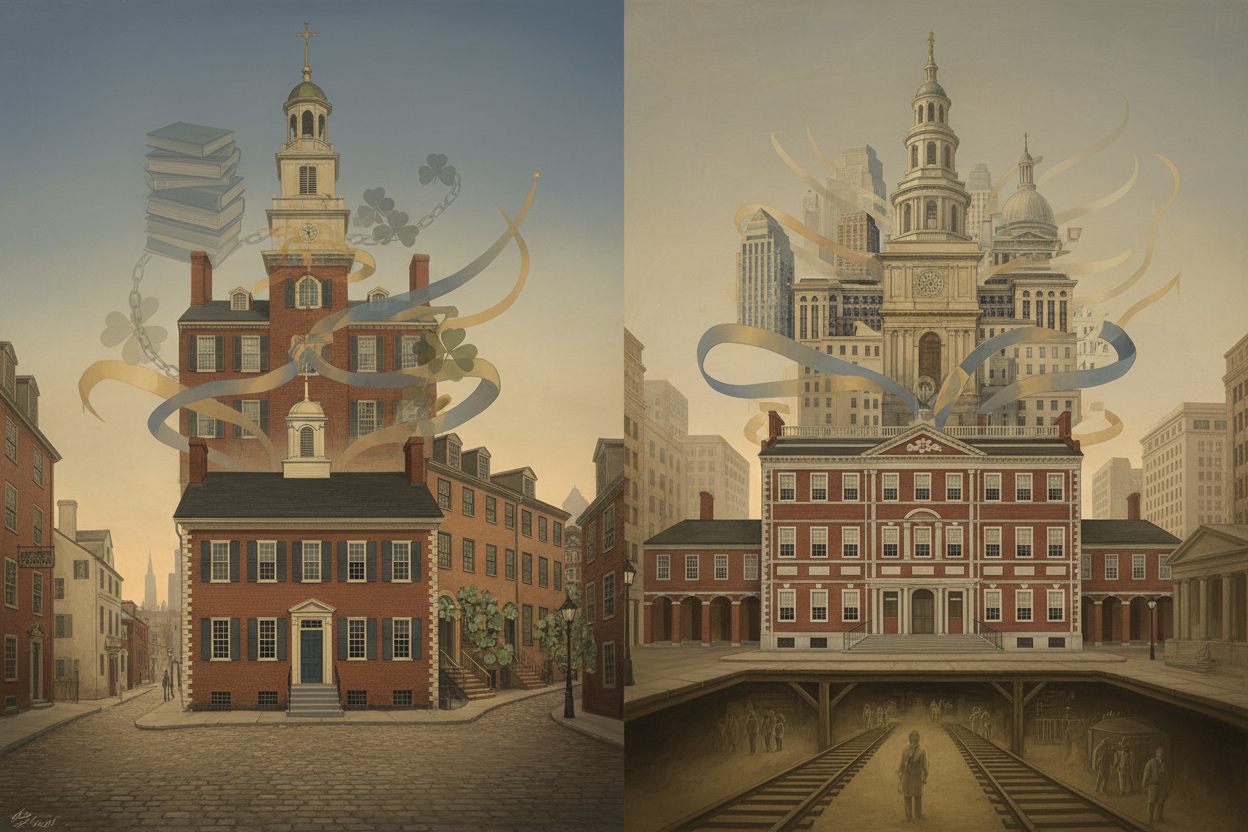
While we’re focusing on Revolutionary War history, it’s worth noting that both cities offer rich historical experiences that extend far beyond the 1770s and 1780s. Boston’s role in the abolitionist movement, the Irish immigration experience, and the development of American literature adds layers to any historical visit. Philadelphia’s significance as an early capital, its role in the Underground Railroad, and its contributions to American medicine and science provide additional context for understanding how revolutionary ideals evolved.
These broader historical narratives help visitors understand that the Revolutionary War wasn’t an isolated event but part of an ongoing American story about freedom, democracy, and the constant struggle to live up to founding ideals.
The Verdict: Which City Wins?
After exploring both cities’ revolutionary credentials, declaring a definitive winner feels almost impossible – and perhaps misses the point entirely. Boston and Philadelphia played complementary roles in the American Revolution, and each offers unique insights into this pivotal period.
Choose Boston if you’re drawn to the human drama of revolution – the protests, the resistance, the grassroots organizing that turned colonists into revolutionaries. Boston excels at showing how ordinary people created extraordinary change through courage and conviction.
Choose Philadelphia if you’re fascinated by the intellectual and political foundations of American democracy. Philadelphia offers unparalleled insight into how revolutionary ideals were transformed into governing principles and founding documents.
Honestly, the best answer might be to visit both cities. They tell different chapters of the same essential American story. Boston shows you how the revolution began, while Philadelphia shows you how it succeeded in creating something entirely new in human history.
Whether you choose the cobblestone streets of Boston or the historic halls of Philadelphia, you’ll walk away with a deeper appreciation for the courage, vision, and sacrifice that created the United States of America. Both cities preserve not just buildings and artifacts, but the very spirit of revolution that continues to inspire people around the world who yearn for freedom and self-determination.