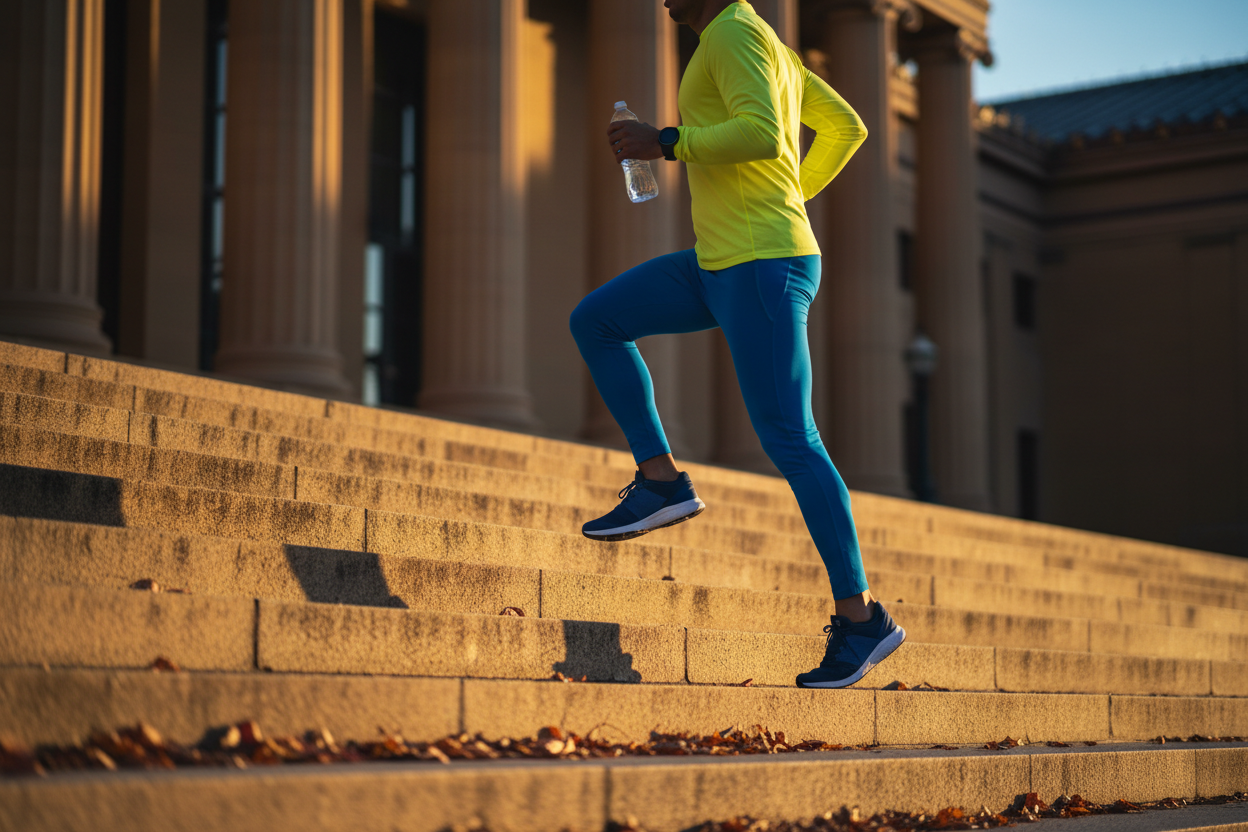
The Complete Guide to Running the Rocky Steps: Training Tips and Photo Spots
Every runner has that one iconic destination on their bucket list, and for many, it’s the legendary Rocky Steps in Philadelphia. Made famous by Sylvester Stallone’s unforgettable training montage in the 1976 film “Rocky,” these 72 steps leading up to the Philadelphia Museum of Art have become a pilgrimage site for fitness enthusiasts, movie buffs, and tourists alike. Whether you’re planning your first visit or you’re a seasoned Rocky Steps veteran looking to improve your performance, this comprehensive guide will help you conquer those steps like a champion.
The Rocky Steps aren’t just about the physical challenge – they represent determination, perseverance, and the triumph of the human spirit. Running these steps is more than exercise; it’s a symbolic journey that connects you to one of cinema’s most inspiring underdog stories. But don’t let the movie magic fool you – these steps will test your cardiovascular endurance, leg strength, and mental fortitude.
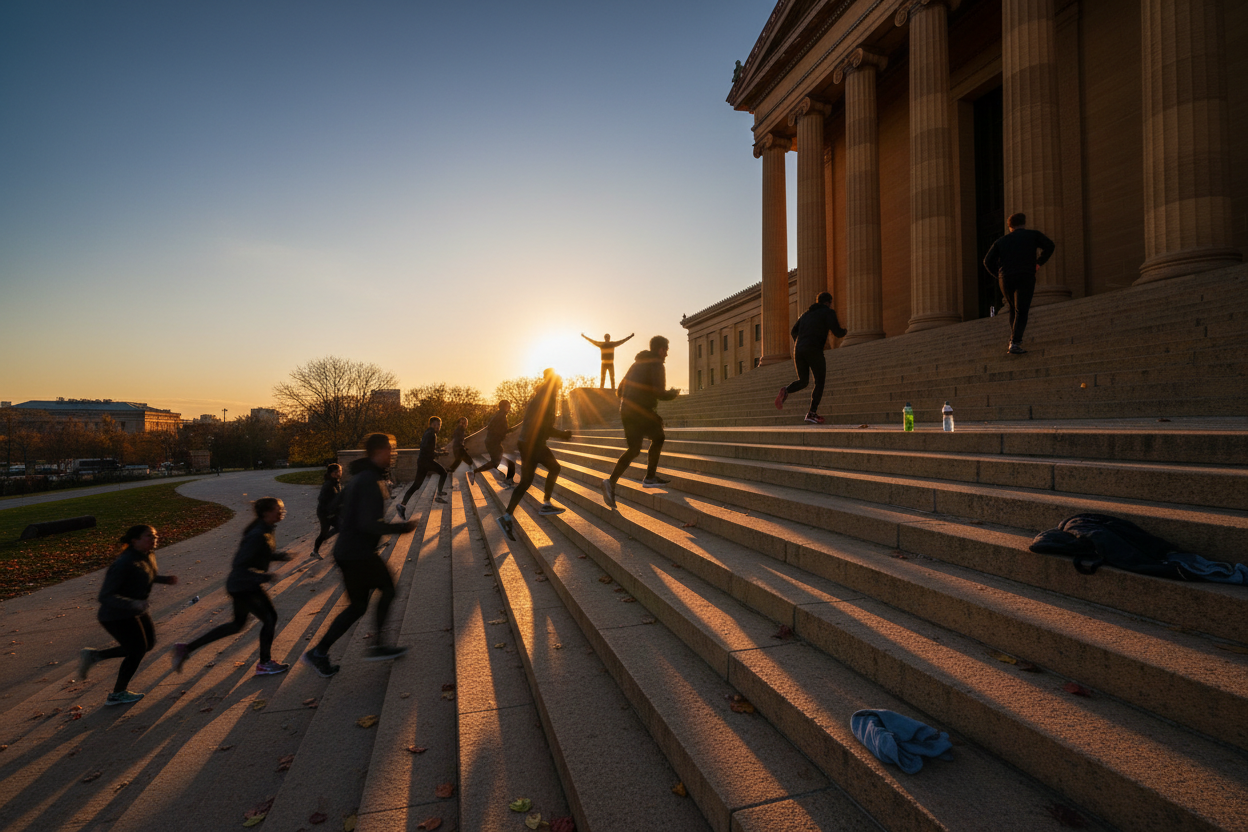
Understanding the Rocky Steps Challenge
Before you lace up your running shoes, it’s essential to understand what you’re facing. The Philadelphia Museum of Art steps consist of 72 concrete steps that rise approximately 68 feet from street level to the museum’s entrance. The steps are wide and relatively uniform in height, making them perfect for a challenging workout that mimics stadium training.
The steps face east, which means morning runners will be climbing toward the rising sun – a detail that adds to the cinematic experience. The surrounding area offers plenty of space for warm-up exercises, and Benjamin Franklin Parkway provides a scenic approach route that many runners use as part of their extended workout routine.
What makes the Rocky Steps unique compared to other stair climbing workouts is their cultural significance and the motivational atmosphere. You’ll often find other fitness enthusiasts, tourists cheering each other on, and street performers adding to the energetic environment. This social aspect can provide extra motivation during your workout, but it also means you’ll need to be mindful of crowds, especially during peak tourist hours.

Essential Training Tips for Rocky Steps Success
Building Your Cardiovascular Foundation
Success on the Rocky Steps starts with solid cardiovascular conditioning. If you’re new to stair climbing or haven’t exercised regularly, begin with a basic running program at least four to six weeks before your Rocky Steps attempt. Start with 20-30 minute runs three times per week, gradually increasing your duration and intensity.
Incorporate interval training into your routine to simulate the intense bursts of energy required for stair climbing. Try alternating between one-minute high-intensity intervals and two-minute recovery periods during your regular runs. This type of training will prepare your heart and lungs for the demanding oxygen requirements of climbing 72 steps.
Don’t neglect longer, steady-state cardio sessions either. Building your aerobic base with 45-60 minute runs at a conversational pace will give you the endurance foundation needed for multiple trips up the steps or extended training sessions.
Strengthening Your Legs for Stair Climbing
Stair climbing is primarily a lower-body exercise that heavily targets your quadriceps, glutes, and calves. Regular running helps, but specific strength training will dramatically improve your Rocky Steps performance and reduce injury risk.
Focus on exercises that mimic the stair climbing motion. Step-ups using a bench or sturdy platform are perfect for this. Start with bodyweight step-ups and progress to holding dumbbells or wearing a weighted vest. Aim for 3 sets of 12-15 repetitions per leg, focusing on controlled movements and full range of motion.
Squats and lunges are equally important for building the power needed to propel yourself up each step efficiently. Bulgarian split squats are particularly effective because they work each leg independently and challenge your balance and coordination. Single-leg deadlifts will strengthen your posterior chain and improve the stability needed for safe stair climbing.
Developing Mental Toughness
The Rocky Steps challenge is as much mental as it is physical. Around step 40, your legs will start burning, your breathing will become labored, and your mind might start suggesting you take a break. This is where mental preparation becomes crucial.
Practice visualization techniques before your attempt. Imagine yourself successfully climbing all 72 steps, visualizing each phase of the climb and how you’ll push through the difficult moments. Many successful Rocky Steps runners report that having a specific mantra or motivational phrase helps them push through the tough middle section.
Break the climb into smaller, manageable segments. Instead of focusing on all 72 steps, think about reaching the first landing, then the next, and so on. This psychological chunking makes the challenge feel less overwhelming and gives you multiple opportunities to celebrate small victories along the way.
Optimal Training Schedule and Progression
A well-structured training program should span 6-8 weeks for beginners or 3-4 weeks for experienced runners. Start with finding local stairs or stadium steps for practice. Many high schools and colleges have bleacher stairs that provide excellent training opportunities.
Begin with walking up stairs two at a time, focusing on form and breathing. Progress to jogging up every step, then advance to taking two steps at a time while running. Your training sessions should include both single trips up long staircases and multiple trips up shorter ones to build both power and endurance.
Include one dedicated stair climbing session per week, complemented by your regular running routine and strength training. As you progress, add a weighted vest or backpack to increase resistance, but never compromise form for added difficulty.
Perfect Photo Spots and Timing
Classic Victory Pose Locations
The most iconic photo opportunity is, of course, at the top of the steps with your arms raised in victory, recreating Rocky’s famous pose. Position yourself at the center of the top landing, facing east toward the city skyline. This angle captures both your triumphant moment and Philadelphia’s beautiful urban landscape in the background.
For the best lighting, plan your photo session during the golden hour – approximately one hour before sunset. The warm, soft light during this time creates flattering portraits and adds a magical quality to your victory shots. Early morning light can also be beautiful, especially if you want to capture the sunrise behind you as you pose.
Don’t forget about the Rocky statue, located at the bottom right of the steps near the entrance. While it’s not at the top of the steps, it’s an essential photo opportunity that connects your achievement to the movie’s legacy. The area around the statue can get crowded, so patience and politeness with other visitors will help ensure everyone gets their perfect shot.
Action Shots During Your Climb
Dynamic photos of you actually climbing the steps can be just as powerful as the victory pose. Have a friend position themselves at various points along your route to capture different angles of your ascent. Side-angle shots from about halfway up showcase the steepness of the challenge and the determination on your face.
Consider asking someone to take a series of photos from the bottom, showing your progression up the steps. These sequence shots tell the complete story of your journey and can be combined into a compelling before-and-after comparison or even a time-lapse video.
For solo travelers, many fellow visitors and locals are happy to help with photos. The Rocky Steps community is generally friendly and supportive, with people understanding the significance of the moment and wanting to help you capture it properly.
Best Times to Visit for Photos and Training
Timing your visit correctly can make the difference between a crowded, frustrating experience and a memorable, inspiring one. Weekday mornings, particularly Tuesday through Thursday between 7-9 AM, typically offer the best combination of fewer crowds and good lighting conditions.
If you’re visiting during peak tourist season (summer months and holidays), arrive as early as possible. The steps and surrounding area can become quite busy by mid-morning, making both training and photography more challenging. Early morning visits also offer the advantage of cooler temperatures, which is particularly important during Philadelphia’s humid summers.
Weather considerations are crucial for both safety and photo quality. Avoid attempting the steps during or immediately after rain, as wet concrete can be extremely slippery. Overcast days can actually provide excellent lighting for photos, creating even, flattering illumination without harsh shadows.
Safety Considerations and Preparation
Physical Safety Guidelines
Safety should always be your top priority when tackling the Rocky Steps. Wear appropriate athletic shoes with good traction and ankle support. The concrete steps can be unforgiving, and a twisted ankle or fall could quickly turn your inspiring workout into a medical emergency.
Always warm up thoroughly before attempting the steps. Spend at least 10-15 minutes doing dynamic stretches, light jogging, and mobility exercises to prepare your muscles and joints for the intense workout ahead. Pay particular attention to your ankles, knees, and hip flexors, as these areas bear the brunt of stair climbing stress.
Stay hydrated, especially during warmer months. Bring a water bottle and take breaks as needed. There’s no shame in pausing during your climb – even Rocky took his time during that famous training montage. Listen to your body and don’t let pride override common sense.
Crowd Management and Etiquette
The Rocky Steps are a popular tourist destination, which means you’ll likely be sharing the space with sightseers, other fitness enthusiasts, and tour groups. Maintain awareness of your surroundings and be respectful of others trying to enjoy the experience.
When running the steps, stay to one side to allow room for people walking up or taking photos. If you’re doing multiple trips, use the sides of the staircase rather than the center, which is prime real estate for photos and casual visitors.
Be patient with photo opportunities and offer to help others capture their Rocky moment. The positive energy and mutual support among visitors is part of what makes the Rocky Steps experience special. Your encouragement might be exactly what someone else needs to complete their first successful climb.
Making the Most of Your Rocky Steps Experience
Running the Rocky Steps is more than just a workout – it’s a connection to a cultural icon and a personal achievement worth celebrating. Take time to appreciate the moment and the symbolism of what you’re doing. Whether you’re a serious athlete or someone just beginning their fitness journey, climbing those 72 steps represents the same spirit of determination that made Rocky Balboa a beloved character.
Consider making your Rocky Steps visit part of a larger Philadelphia adventure. The city offers incredible running routes along the Schuylkill River, through historic neighborhoods, and past numerous landmarks. The Philadelphia Museum of Art itself is worth exploring after your workout, and the surrounding Fairmount Park provides additional training opportunities.
Document your experience beyond just photos. Keep a training journal leading up to your visit, noting your progress and how you feel as you build toward the challenge. Many people find that the journey of preparing for the Rocky Steps is just as rewarding as the actual accomplishment.
Remember that everyone’s Rocky Steps experience is unique. Some people sprint up in under a minute, while others take their time and savor each step. Some visit once for the novelty, while others make it a regular part of their fitness routine. There’s no wrong way to approach this challenge, as long as you’re doing it safely and with respect for the space and other visitors.
The Rocky Steps represent something universal about human nature – our desire to push ourselves, overcome obstacles, and celebrate our achievements. Whether you’re training for your first marathon, working to improve your fitness, or simply want to experience a piece of movie history, those 72 steps offer a unique opportunity to test yourself and connect with something larger than your individual workout.
So lace up your running shoes, prepare your body and mind, and get ready to experience one of America’s most iconic fitness challenges. When you reach the top and raise your arms in victory, you’ll understand why millions of people have made this pilgrimage. You’ll have earned your place in the long tradition of Rocky Steps champions, and you’ll have a story and photos that will inspire you for years to come.