The Complete Guide to Philadelphia’s Mural Arts Program: Street Art Walking Tour
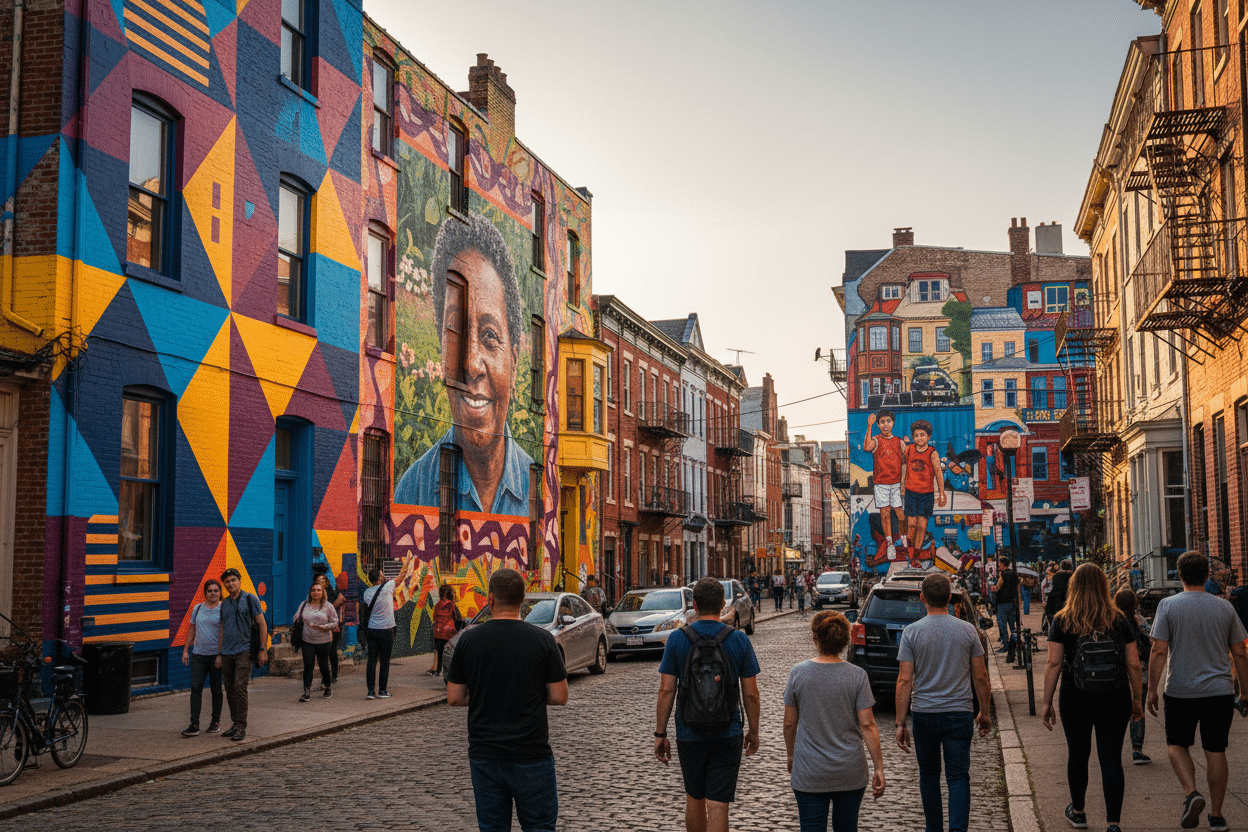
Philadelphia’s walls tell stories. From the bustling streets of North Philadelphia to the historic neighborhoods of Center City, vibrant murals transform ordinary buildings into canvases of hope, culture, and community pride. The Philadelphia Mural Arts Program has earned the city recognition as the “Mural Capital of the World,” and for good reason – with over 4,000 murals scattered throughout the city, Philadelphia boasts one of the largest public art collections on the planet.
Whether you’re a first-time visitor or a longtime resident, exploring Philadelphia’s street art scene through a self-guided walking tour offers an intimate glimpse into the city’s soul. These aren’t just pretty pictures on walls; they’re powerful statements about social justice, community healing, and artistic expression that have been transforming neighborhoods for over three decades.
Understanding Philadelphia’s Mural Arts Program History
The Philadelphia Mural Arts Program began in 1984 with a simple yet revolutionary idea: transform graffiti vandalism into community art. What started as an anti-graffiti initiative under the leadership of Jane Golden has evolved into the nation’s largest public art program. The program’s mission extends far beyond beautification – it’s about social change, community engagement, and providing opportunities for artistic expression in underserved neighborhoods.
Over the years, the program has engaged more than 20,000 youth and community members in mural creation, proving that art can be a powerful tool for social transformation. Many of Philadelphia’s most celebrated murals address pressing social issues, from gun violence and addiction recovery to immigration and environmental justice. This approach has made Philadelphia’s mural scene unique among American cities.
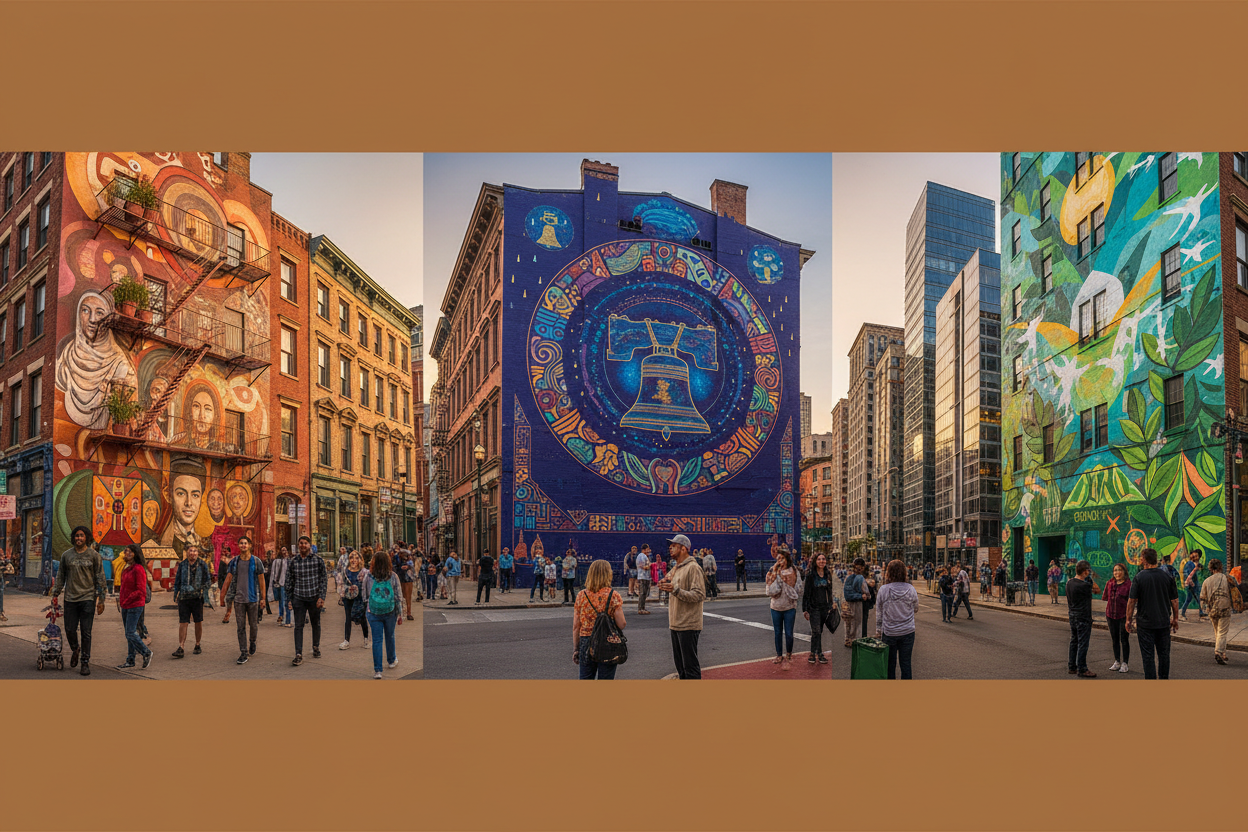
The program’s success has attracted renowned artists from around the world, including Shepard Fairey, JR, and Kerry James Marshall, who have collaborated with local artists and community members to create some of the city’s most iconic pieces. These collaborations ensure that while the art may be world-class, the stories and voices remain authentically Philadelphian.
Planning Your Philadelphia Mural Walking Tour
Before lacing up your walking shoes, proper planning will enhance your mural hunting experience significantly. The best time to explore Philadelphia’s murals is during daylight hours when natural lighting brings out the vibrant colors and intricate details. Early morning or late afternoon provides optimal lighting conditions for photography, while avoiding the harsh midday sun that can wash out colors.
Consider the weather when planning your tour. Philadelphia’s climate can be unpredictable, and you’ll want clear skies to fully appreciate the outdoor art. Spring through fall offers the most comfortable walking conditions, though winter tours can be magical when snow creates interesting contrasts with the colorful murals.
Download the Mural Arts Philadelphia app before your tour begins. This free resource provides GPS-enabled maps, detailed information about each mural, and audio commentary from artists and community members. The app also includes augmented reality features that bring certain murals to life through your smartphone camera.
Wear comfortable walking shoes and dress in layers, as you’ll be covering several miles and spending considerable time outdoors. Bring a portable phone charger, water bottle, and snacks to keep your energy levels up throughout the day. A good camera or smartphone with ample storage space is essential for capturing the stunning artwork you’ll encounter.
Must-See Murals in Center City Philadelphia
Center City serves as an excellent starting point for your mural adventure, offering easy access to public transportation and a concentration of iconic pieces within walking distance. The “Love Letter” mural at 1801 North Broad Street stands as one of Philadelphia’s most photographed pieces, created by artist Steve Powers. This massive love letter to the city spans multiple buildings and tells the story of Philadelphia through romantic metaphors that resonate with locals and visitors alike.
The “Common Threads” mural at 1315 Walnut Street showcases the incredible detail possible in mural art. Created by Meg Saligman, this piece celebrates the diverse cultural fabric of Philadelphia through intricate patterns and symbols representing different communities. The mural’s location in the Gayborhood makes it particularly significant as a symbol of inclusion and acceptance.
Don’t miss the “Philadelphia Muses” at the Pennsylvania Academy of Fine Arts. This classical-inspired piece by Meg Saligman features nine female figures representing different aspects of Philadelphia’s cultural identity. The mural’s placement on such a prestigious arts institution creates a beautiful dialogue between traditional and contemporary art forms.
The “Sanctuary” mural at 2540 Germantown Avenue addresses immigration and community support with stunning visual metaphors. Artist Michelle Angela Ortiz worked closely with immigrant communities to ensure authentic representation in this powerful piece that has become a symbol of Philadelphia’s welcoming spirit.
Exploring North Philadelphia’s Vibrant Street Art Scene
North Philadelphia houses some of the city’s most emotionally powerful and socially conscious murals. This area has been significantly impacted by the Mural Arts Program’s community engagement efforts, with many pieces created through collaboration between professional artists and neighborhood residents.
The “Philly Bonding” mural at 3007 North Broad Street stands as a testament to community resilience. Created by artist David McShane in collaboration with local youth, this piece addresses themes of family, community support, and overcoming adversity. The mural’s creation process involved extensive community workshops where residents shared their stories and helped design elements of the final piece.
At 1234 North Broad Street, the “Tree of Life” mural by artist Isaiah Zagar incorporates his signature mosaic style with traditional mural painting techniques. This piece celebrates the natural world while addressing environmental justice issues affecting urban communities. The intricate details reward close examination, with hidden symbols and messages woven throughout the composition.
The “Healing Walls” series in North Philadelphia represents some of the program’s most impactful work. These murals, created in collaboration with community members affected by violence and trauma, serve as both memorials and symbols of hope. The “Memorial Wall” at 2434 North Broad Street honors victims of gun violence while promoting messages of peace and community healing.
South Philadelphia Mural Highlights
South Philadelphia’s mural scene reflects the neighborhood’s rich Italian-American heritage while embracing its evolving multicultural identity. The area offers a perfect blend of traditional community murals and contemporary artistic expressions that speak to changing demographics and shared values.
The “Italian Market” mural at 1219 South 9th Street celebrates the neighborhood’s famous market district with vibrant depictions of fresh produce, family traditions, and community gathering spaces. Artist Peter Pagast worked with local merchants and residents to ensure authentic representation of this beloved neighborhood institution.
The “Fabric Workshop and Museum” exterior mural showcases rotating installations by visiting artists, making each visit potentially unique. This approach keeps the South Philadelphia mural scene dynamic and ensures that repeat visitors always have something new to discover.
The “Fleisher Art Memorial” building features multiple murals that celebrate arts education and community creativity. These pieces, created by various artists over different time periods, demonstrate how mural art can evolve and layer over time while maintaining thematic coherence.
West Philadelphia’s Community-Driven Art
West Philadelphia’s murals often emerge directly from community organizing and social justice efforts, making this area essential for understanding the deeper purpose behind Philadelphia’s mural movement. The neighborhood’s strong tradition of community activism translates into particularly powerful and politically engaged street art.
The “Malcolm X Mural” at 5148 Chestnut Street serves as both historical tribute and contemporary call to action. Created by artist Ernel Martinez, this piece connects the civil rights legacy with current social justice movements, featuring quotes and imagery that remain relevant to ongoing struggles for equality.
The “Ujima Mural” at 4601 Market Street celebrates African cultural heritage while addressing contemporary issues facing the African-American community. The word “ujima” means collective work and responsibility in Swahili, and the mural embodies this principle through its collaborative creation process and community-focused messaging.
The “Green City, Clean Waters” mural at 52nd and Locust Streets addresses environmental justice through stunning visual metaphors connecting human health with environmental health. This piece demonstrates how Philadelphia’s mural program tackles complex policy issues through accessible and beautiful art.
Photography Tips for Capturing Philadelphia Murals
Documenting your mural tour requires more than just pointing and shooting. Philadelphia’s murals present unique photographic challenges and opportunities that reward thoughtful approach and technique. Understanding how to capture these massive artworks effectively will help preserve your memories and share the beauty with others.
Consider the scale and perspective when photographing large murals. Step back to capture the entire piece in context with its surrounding architecture, then move closer for detail shots that highlight the artist’s technique and smaller elements that might be missed in wide shots. Many murals contain hidden details, symbols, and text that become apparent only through close examination.
Pay attention to lighting conditions throughout the day. Morning light often provides even illumination, while late afternoon creates dramatic shadows that can add depth and interest to your photos. Avoid shooting during harsh midday sun, which can create unflattering shadows and wash out colors.
Include people in some of your shots to provide scale reference and show how the community interacts with the art. However, always be respectful when photographing people and ask permission when possible. Many murals are designed to be interactive, and capturing these moments of engagement tells a more complete story.
Experiment with different angles and compositions. Try shooting from across the street for context shots, then move in for abstract compositions focusing on color, texture, and form. Some murals look completely different when photographed from various angles, revealing hidden images or changing the apparent meaning of the piece.
Supporting Philadelphia’s Mural Arts Community
Your mural tour can extend beyond passive observation to active support of Philadelphia’s incredible arts community. The Mural Arts Program relies on community support to continue its transformative work, and visitors can contribute in meaningful ways while enriching their own experience.
Consider purchasing official merchandise from the Mural Arts Program gift shop, located at their headquarters at 1727 Mount Vernon Street. Proceeds support ongoing programming and help fund new murals throughout the city. The shop offers books, prints, and unique items created by local artists involved in the program.
Attend community events and mural dedications when possible. These celebrations offer opportunities to meet the artists, hear community stories behind the murals, and understand the deeper social context of the work. Check the Mural Arts Program website for upcoming events during your visit.
Share your experience responsibly on social media using appropriate hashtags like #MuralArtsPhila and #PhillyMurals. Tag the artists when possible and include information about the mural’s location and significance. This helps spread awareness and can drive more visitors to support the program.
Consider making a direct donation to support the program’s community engagement work, youth employment initiatives, and mural maintenance efforts. Even small contributions help ensure that this incredible public art collection remains accessible and well-maintained for future generations.
Conclusion
Philadelphia’s Mural Arts Program represents more than just beautiful street art – it’s a testament to the power of community collaboration, artistic expression, and social change. Your walking tour through Philadelphia’s mural-covered neighborhoods offers a unique window into the city’s soul, revealing stories of struggle, hope, creativity, and resilience painted across building walls.
From the iconic pieces in Center City to the community-driven murals of North and West Philadelphia, each artwork tells part of a larger story about what it means to be Philadelphian. These murals serve as both historical documents and living expressions of contemporary life, constantly evolving as new pieces are added and existing works are maintained or transformed.
The true magic of Philadelphia’s mural scene lies not just in the finished artworks, but in the process of creation that brings together professional artists, community members, and neighborhood youth in collaborative efforts that strengthen social bonds while beautifying public spaces. This model has inspired similar programs across the country and around the world, but Philadelphia remains the undisputed leader in community-based public art.
As you complete your mural walking tour, you’ll carry with you not just photographs and memories, but a deeper understanding of how art can transform communities and how communities can transform art. Philadelphia’s murals remind us that creativity flourishes when given space and support, and that public art belongs to everyone who encounters it on the street.