The Complete Guide to Philadelphia’s Magic Gardens: Mosaic Art Wonderland
Tucked away in the vibrant South Street corridor of Philadelphia lies one of the city’s most extraordinary artistic treasures. Philadelphia’s Magic Gardens isn’t your typical museum or gallery – it’s a living, breathing testament to the transformative power of art and community dedication. This sprawling mosaic wonderland, created by visionary artist Isaiah Zagar, offers visitors an immersive experience unlike anything else in the world.
Whether you’re a local Philadelphian who’s somehow missed this gem or a tourist planning your itinerary, this comprehensive guide will help you navigate everything you need to know about visiting this incredible artistic sanctuary. From its fascinating history to practical visiting tips, we’ll explore why Philadelphia’s Magic Gardens has become one of the city’s most beloved cultural destinations.
The Story Behind Philadelphia’s Magic Gardens
The Magic Gardens began as something much more organic than a planned tourist attraction. In the 1960s, Isaiah Zagar moved to South Philadelphia with his wife Julia, both passionate about revitalizing their adopted neighborhood through art and community engagement. What started as small mosaic installations on building walls gradually evolved into something much more ambitious.
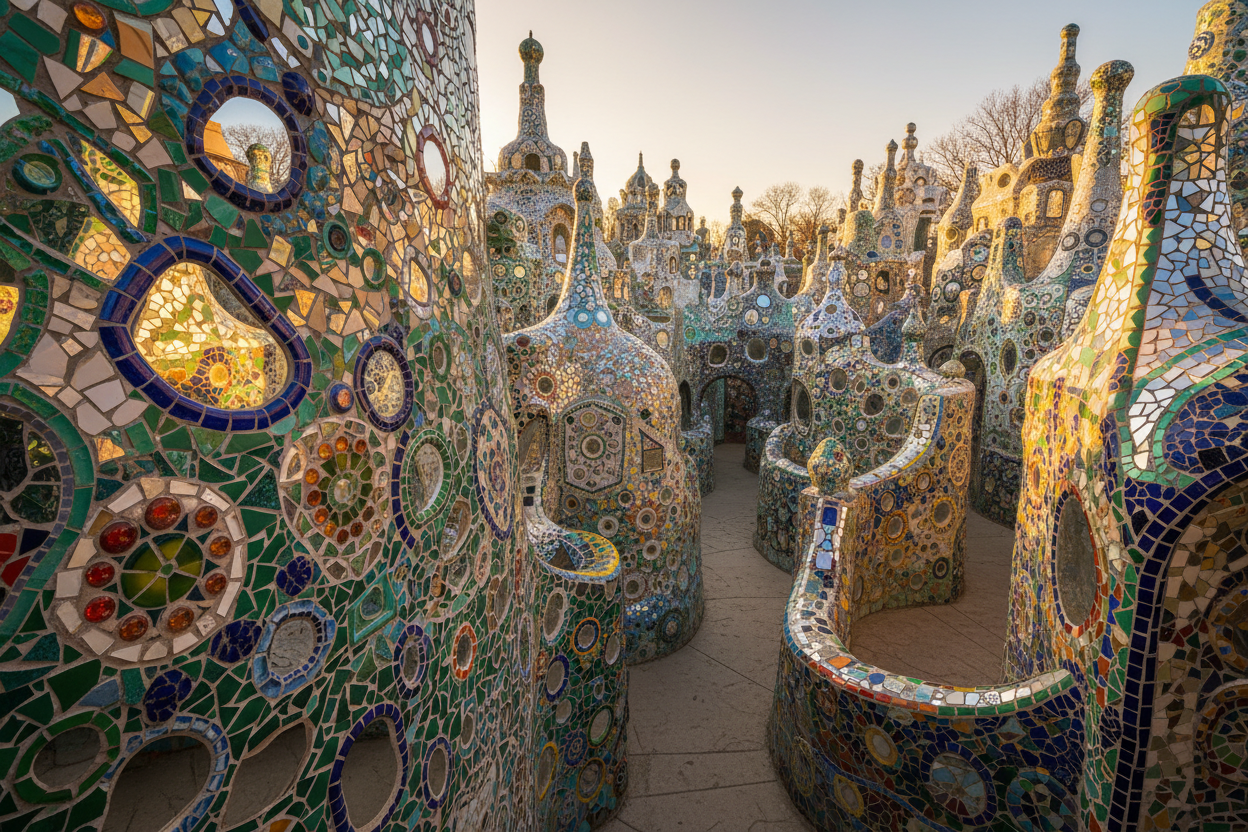
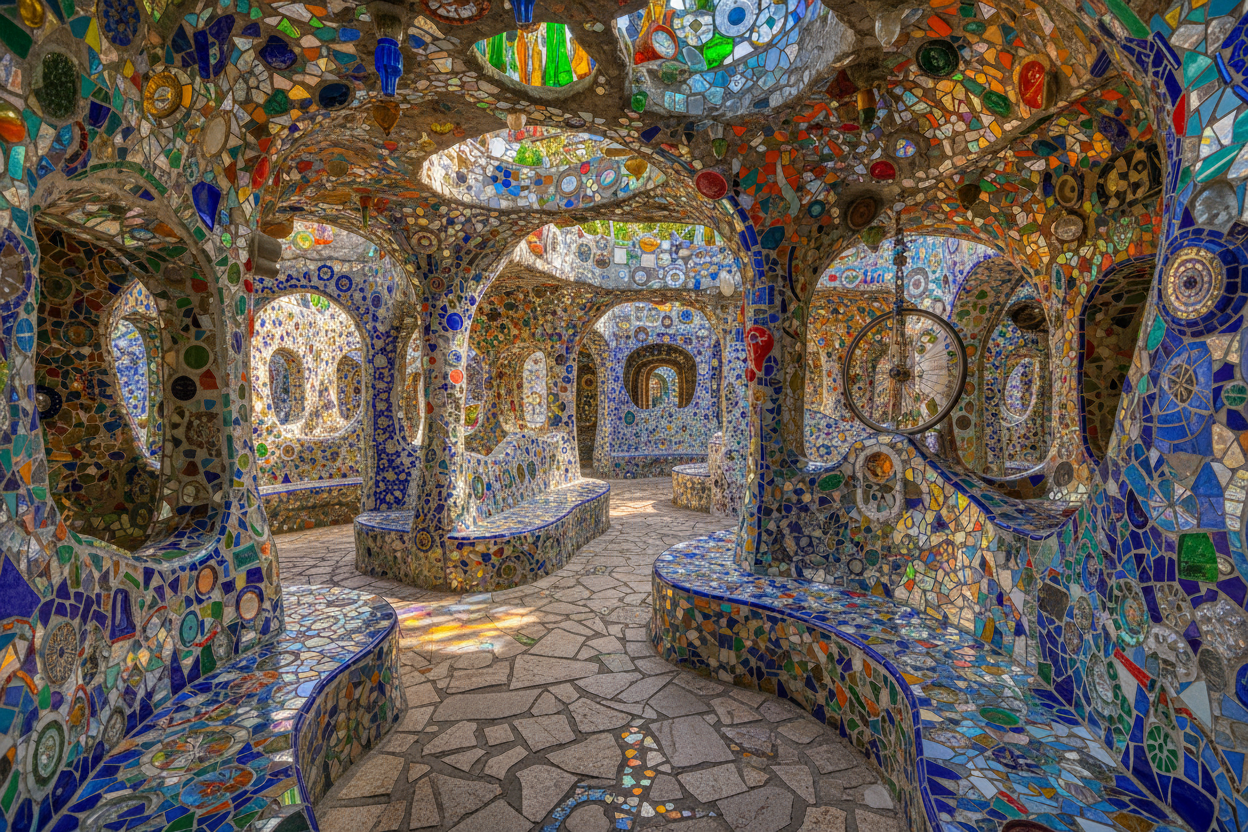
Zagar’s artistic vision transformed vacant lots at 1020-1026 South Street into an intricate maze of mosaic tunnels, grottos, and multi-level galleries. Using discarded materials, broken mirrors, ceramic pieces, and found objects, he created a space that reflects both his personal artistic journey and the diverse cultural fabric of Philadelphia itself.
The project faced significant challenges over the years, including potential demolition in 2002. However, community support and fundraising efforts led to the establishment of Philadelphia’s Magic Gardens as a nonprofit organization, ensuring this artistic treasure would be preserved for future generations. Today, it stands as both a completed artwork and an ongoing testament to the power of grassroots cultural preservation.
What Makes the Magic Gardens Special
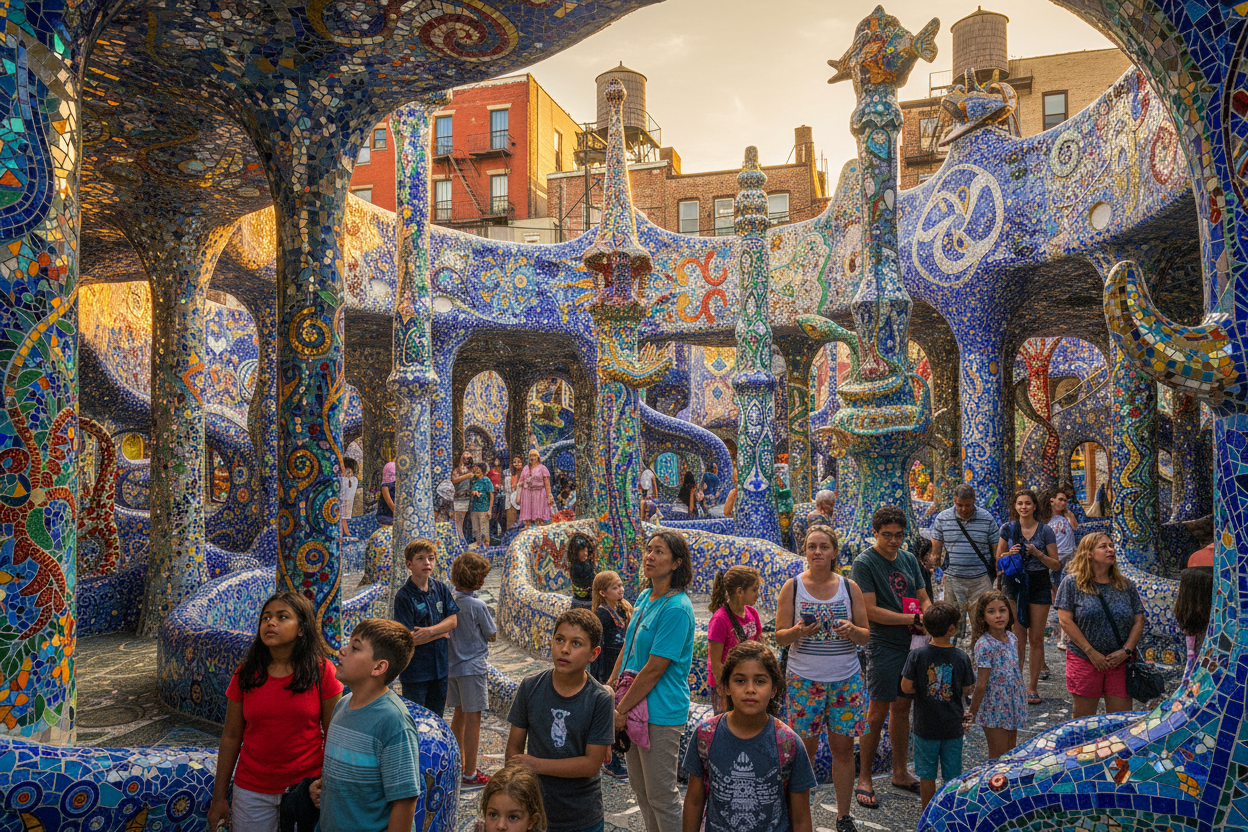
Walking through Philadelphia’s Magic Gardens feels like stepping into a kaleidoscopic dream. Every surface tells a story through carefully arranged fragments of mirrors, tiles, bottles, and personal artifacts. The space spans multiple levels and outdoor areas, creating an environment where visitors can discover new details with each visit.
The artwork incorporates elements from various cultures and time periods, reflecting Zagar’s travels and the multicultural nature of Philadelphia. You’ll find everything from ancient pottery shards to contemporary pop culture references embedded in the walls. The interplay of light and reflection creates an ever-changing visual experience throughout the day, making each visit unique depending on the time and weather conditions.
What truly sets the Magic Gardens apart is its integration with the surrounding neighborhood. Zagar’s outdoor murals extend beyond the official garden space, creating a larger artistic ecosystem that connects the formal installation with the broader South Street community. This seamless blend of art and urban environment exemplifies Philadelphia’s reputation as a city where creativity flourishes in unexpected places.
Planning Your Visit to Philadelphia’s Magic Gardens
Located at 1020 South Street in the heart of Philadelphia’s arts district, the Magic Gardens is easily accessible by public transportation, car, or foot. The nearest subway stop is Lombard-South on the Broad Street Line, just a few blocks away. If you’re driving, street parking is available, though it can be competitive during peak hours and weekends.
The gardens are open year-round, but hours vary by season. During peak season (April through October), they’re typically open Wednesday through Monday from 11 AM to 6 PM, closed on Tuesdays. Winter hours are slightly reduced, so it’s always wise to check their official website before visiting. The outdoor portions of the installation can be enjoyed in most weather conditions, though the covered areas provide shelter during rain.
Admission fees are modest, making this an accessible cultural experience for most budgets. They offer discounts for students, seniors, and Philadelphia residents, and children under six enter free. Consider purchasing tickets online in advance during busy periods, especially during summer months and holiday weekends when the gardens attract larger crowds.
What to Expect During Your Magic Gardens Experience
Your journey through the Magic Gardens typically begins with a brief orientation about the space and its creator. Self-guided tours are the standard option, allowing you to explore at your own pace and focus on the elements that most capture your imagination. The winding pathways and multi-level structure mean you’ll want comfortable walking shoes and should be prepared for stairs and uneven surfaces.
Photography is not only allowed but encouraged throughout most of the space, making this a popular destination for Instagram enthusiasts and professional photographers alike. The intricate details and play of light create countless opportunities for stunning images. However, be mindful of other visitors and avoid using flash photography, which can be disruptive in the more intimate spaces.
The experience typically takes between 45 minutes to an hour and a half, depending on your level of interest in the artistic details. Many visitors find themselves returning multiple times to notice elements they missed during their first visit. The changing light throughout the day creates different moods and highlights various aspects of the mosaics.
Special Programs and Events
Philadelphia’s Magic Gardens offers various special programs throughout the year that enhance the visitor experience. Guided tours with knowledgeable docents provide deeper insights into Zagar’s techniques, artistic philosophy, and the historical context of the installation. These tours are particularly valuable for art students, educators, and anyone seeking a more comprehensive understanding of the work.
The organization regularly hosts community events, including art workshops, musical performances, and cultural celebrations that reflect the diverse spirit of South Philadelphia. Their educational programs serve local schools and community groups, continuing Zagar’s original mission of using art as a tool for community building and cultural exchange.
Seasonal events add special magic to visits throughout the year. Summer evening events take advantage of the extended daylight hours and warm weather, while winter celebrations create a cozy atmosphere in the covered spaces. Check their events calendar when planning your visit to see if any special programming aligns with your travel dates.
Exploring the Surrounding South Street Area
The Magic Gardens sits in the heart of one of Philadelphia’s most eclectic neighborhoods, making it easy to combine your visit with other cultural and culinary experiences. South Street itself is famous for its diverse dining options, vintage shops, and vibrant street art that complements Zagar’s work.
Within walking distance, you’ll find numerous restaurants representing cuisines from around the world, reflecting the international character that influenced Zagar’s artistic vision. The area also hosts several other galleries, music venues, and the historic South Street Bridge, offering additional opportunities to explore Philadelphia’s cultural landscape.
Consider extending your visit to include other Zagar murals scattered throughout South Philadelphia. The artist has created over 200 public artworks throughout the city, and many are within a reasonable walking or short driving distance from the Magic Gardens. This creates opportunities for a self-guided tour of Zagar’s broader artistic legacy in Philadelphia.
Tips for Making the Most of Your Visit
To fully appreciate the intricate details of the Magic Gardens, consider bringing a small flashlight or using your phone’s flashlight feature to illuminate darker corners and hidden details. The interplay of artificial and natural light reveals different aspects of the artwork throughout your visit.
Visit during different times of day if possible, as the changing light creates dramatically different experiences. Morning visits offer softer lighting and smaller crowds, while late afternoon visits provide more dramatic shadows and golden hour photography opportunities.
Engage with the staff and volunteers, who are passionate about the space and often have fascinating stories about its creation and evolution. Their insights can enhance your understanding and appreciation of both the artistic techniques and the community effort that preserved this unique space.
Consider purchasing items from the gift shop, which supports the ongoing maintenance and programming of the Magic Gardens while providing unique mementos of your visit. The shop features books about Zagar’s work, locally made crafts, and mosaic-making supplies for those inspired to try their own artistic projects.
Conclusion
Philadelphia’s Magic Gardens represents something truly special in the world of public art – a space where individual artistic vision, community support, and cultural preservation have combined to create an enduring masterpiece. Isaiah Zagar’s mosaic wonderland offers visitors far more than a typical museum experience; it provides an immersive journey through creativity, resilience, and the transformative power of art in urban environments.
Whether you’re drawn by the Instagram-worthy photo opportunities, the fascinating artistic techniques, or the inspiring story of community activism that saved this space, the Magic Gardens delivers an experience that stays with visitors long after they leave. As Philadelphia continues to evolve as a major cultural destination, this unique attraction stands as a testament to the city’s commitment to supporting and preserving unconventional artistic expressions.
Plan your visit to Philadelphia’s Magic Gardens and prepare to be amazed by this one-of-a-kind artistic sanctuary. In a world of increasingly digital experiences, there’s something profoundly moving about standing surrounded by thousands of carefully placed fragments that together create something beautiful, meaningful, and utterly unforgettable.