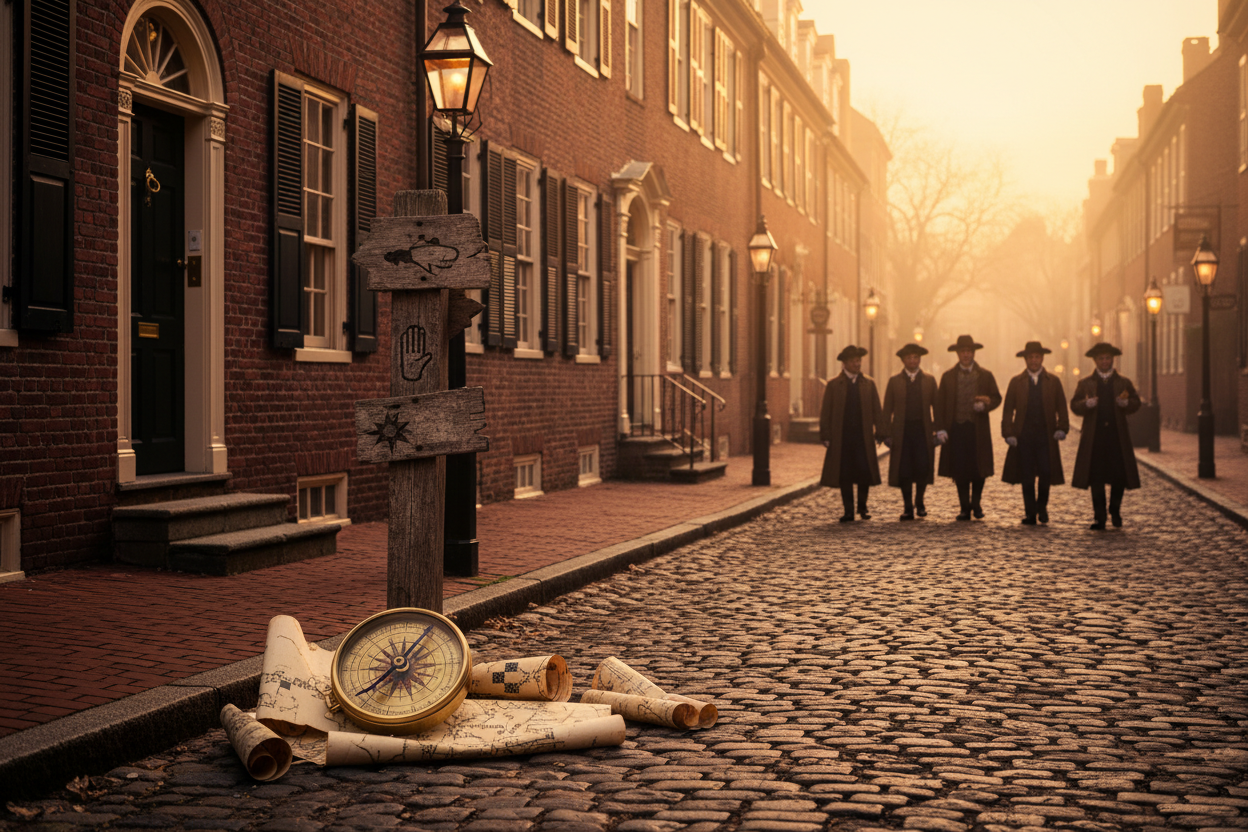
Philadelphia’s Role in the Underground Railroad: Historical Walking Tour
Walking through Philadelphia’s cobblestone streets today, you might pass by ordinary-looking buildings without realizing you’re stepping through one of America’s most significant chapters in the fight for freedom. The City of Brotherly Love played a pivotal role in the Underground Railroad, serving as a crucial hub where enslaved people found refuge, assistance, and hope on their journey to freedom. This historical walking tour will take you through the heart of Philadelphia’s Underground Railroad network, revealing the brave souls who risked everything to help others escape bondage.
Philadelphia’s strategic location between the slave-holding South and the free North made it an essential stop on the Underground Railroad. The city’s strong Quaker community, founded on principles of equality and human dignity, provided the moral foundation for much of the anti-slavery activity. But it wasn’t just Quakers who participated – free Black Americans, white abolitionists, and people from all walks of life contributed to this clandestine network of freedom.
The Historical Context of Philadelphia’s Underground Railroad Network
Before we begin our walking tour, it’s important to understand the historical backdrop that made Philadelphia such a significant Underground Railroad hub. By the 1850s, the city housed one of the largest free Black populations in the North, with many formerly enslaved people who understood firsthand the urgency of helping others escape bondage. The Pennsylvania Abolition Society, founded in 1775, was the world’s first anti-slavery organization, establishing Philadelphia as an early center of abolitionist activity.
The city’s proximity to the Mason-Dixon Line meant that freedom seekers could reach Philadelphia relatively quickly from slave states like Maryland, Virginia, and Delaware. Once in the city, they could find temporary shelter, food, clothing, and guidance for the next leg of their journey north to New York, Canada, or other safe destinations.
What made Philadelphia’s Underground Railroad network particularly effective was its diversity and organization. The Vigilant Committee of Philadelphia, established in 1837, coordinated much of the assistance provided to freedom seekers. This interracial group included prominent figures like Robert Purvis, a wealthy free Black man who served as chairman, and Lucretia Mott, a Quaker minister and women’s rights advocate.
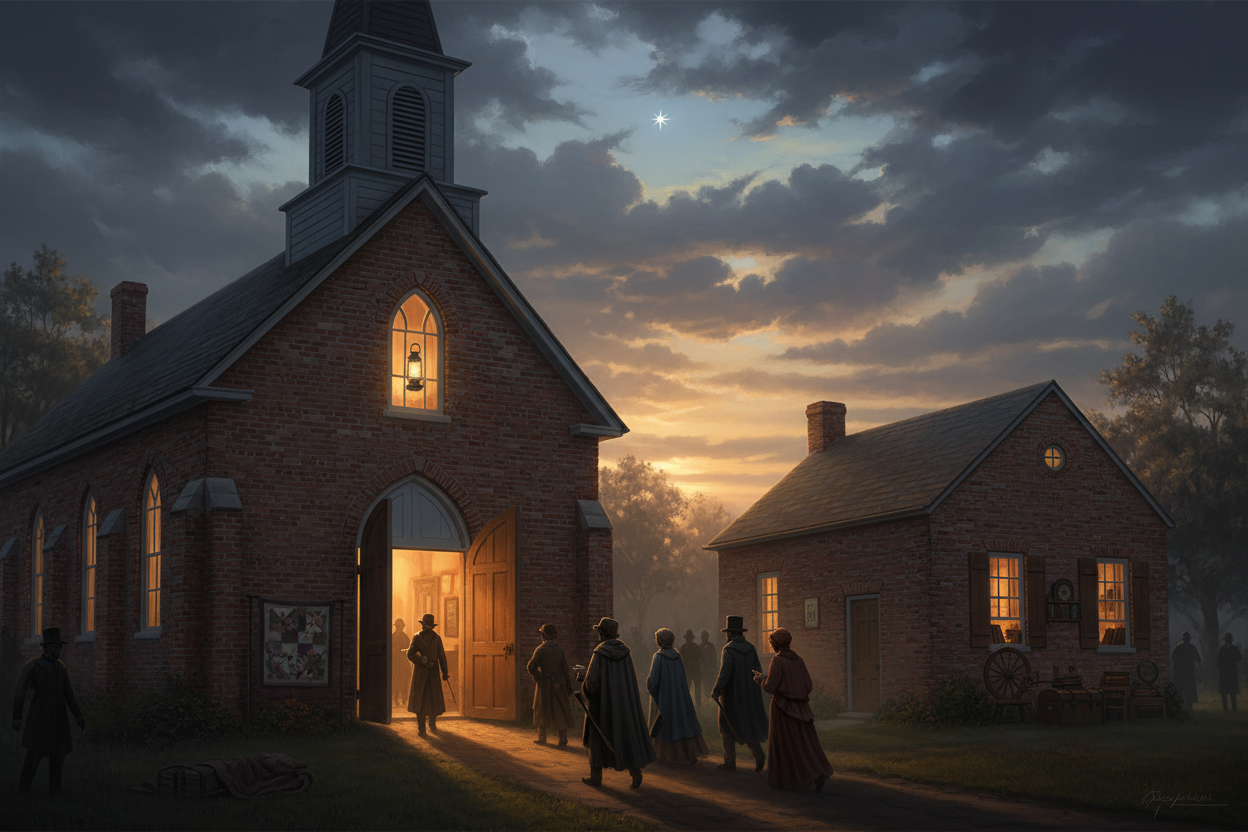
Starting Point: Mother Bethel African Methodist Episcopal Church
Our historical walking tour begins at Mother Bethel African Methodist Episcopal Church, located at 419 Richard Allen Avenue. Founded in 1794 by Richard Allen, a former enslaved person who purchased his freedom, this church stands as the oldest property continuously owned by African Americans in the United States. The current building, constructed in 1890, sits on the same site where Allen first established his congregation.
Mother Bethel served as more than just a place of worship – it was a beacon of hope for freedom seekers. The church’s basement often housed people escaping slavery, providing them with food, shelter, and spiritual comfort. Richard Allen himself was deeply involved in Underground Railroad activities, using his influence and resources to assist countless individuals on their journey to freedom.
As you stand before this historic church, imagine the courage it took for Allen and his congregation to openly defy fugitive slave laws. The church faced constant surveillance and threats, yet its doors remained open to those in need. The adjacent Richard Allen Museum houses artifacts and exhibits that tell the story of the church’s role in the Underground Railroad and the broader struggle for civil rights.
The Johnson House: A Quaker Station of Hope
Our next stop takes us to the Johnson House Historic Site in Germantown, located at 6306 Germantown Avenue. This stone farmhouse, built around 1768, served as one of the most well-documented Underground Railroad stations in Philadelphia. The Johnson family, devout Quakers, operated this station for decades, helping an estimated several hundred freedom seekers pass through their home.
What makes the Johnson House particularly fascinating is how ordinary it appears from the outside. The family conducted their Underground Railroad activities with remarkable discretion, hiding people in the basement and attic while maintaining the appearance of a normal household. The house features original hiding places, including a concealed space behind a false wall in the basement where people could remain hidden during slave catchers’ searches.
The Johnson House offers guided tours that bring this history to life. You’ll learn about the daily risks the family faced and the ingenious methods they used to communicate with other stations along the network. The house also displays artifacts from the period, including clothing, documents, and household items that help visitors understand what life was like for both the freedom seekers and their helpers.
William Still’s Office: The Underground Railroad’s Record Keeper
No discussion of Philadelphia’s Underground Railroad would be complete without mentioning William Still, often called the “Father of the Underground Railroad.” Still operated from various locations in the city, but his most significant work took place at the Pennsylvania Anti-Slavery Society office, originally located at 107 North Fifth Street (the building no longer stands, but a historical marker commemorates the site).
What set Still apart was his meticulous record-keeping. While most Underground Railroad activities were deliberately undocumented for security reasons, Still recognized the historical importance of preserving these stories. He secretly recorded the names, backgrounds, and experiences of the freedom seekers he helped, eventually interviewing over 800 individuals.
Still’s records, published in 1872 as “The Underground Railroad Records,” provide us with the most comprehensive firsthand account of Underground Railroad operations. His work was particularly dangerous because these records could have been used as evidence against him and others involved in the network. Yet Still understood that future generations needed to know these stories of courage and determination.
Today, you can visit the Historical Society of Pennsylvania, which houses many of Still’s original documents and records. The society regularly hosts exhibits about Philadelphia’s Underground Railroad history, often featuring Still’s remarkable collection of testimonies and correspondence.
The Arch Street Meeting House and Quaker Involvement
Located at 320 Arch Street, the Arch Street Meeting House represents the spiritual heart of Philadelphia’s Quaker community and their involvement in the Underground Railroad. Built in 1804, this meeting house served as a gathering place for Quakers who were deeply committed to the abolition of slavery based on their religious beliefs about the equality of all people.
The Religious Society of Friends, as Quakers are formally known, were among the first religious groups to take a strong stance against slavery. Their belief in the “Inner Light” – the idea that God’s spirit exists within every person – made slavery fundamentally incompatible with their faith. Many prominent Quaker families in Philadelphia, including the Johnsons we visited earlier, opened their homes to freedom seekers.
While the meeting house itself wasn’t used to hide people escaping slavery, it was here that many of the plans and strategies for Underground Railroad operations were discussed and coordinated. The building’s simple architecture reflects Quaker values of plainness and equality, principles that drove their anti-slavery activism.
Visitors to the Arch Street Meeting House can take guided tours that explore both Quaker history and their role in the abolition movement. The building also houses a museum with exhibits about Quaker contributions to social justice causes, including the Underground Railroad.
Independence Hall Area: Freedom’s Paradox
Our walking tour includes a stop at Independence Hall and the surrounding area, where the Declaration of Independence and Constitution were debated and signed. This location presents a powerful paradox in American history – here, the founding fathers proclaimed that “all men are created equal” while many of them owned enslaved people.
For freedom seekers and abolitionists, Independence Hall represented both the promise of American ideals and the hypocrisy of a nation that allowed slavery to continue. Many Underground Railroad activists drew inspiration from the Declaration of Independence, arguing that its principles applied to all people, regardless of race.
The area around Independence Hall was also significant for Underground Railroad activities. The nearby President’s House site, where George Washington and John Adams lived during Philadelphia’s time as the nation’s capital, now includes an exhibit about the enslaved people who lived and worked there. This honest presentation of history helps visitors understand the complex realities of slavery even in the nation’s capital.
Walking through this area, you can reflect on how the ideals proclaimed in these historic buildings inspired generations of Americans to fight for true equality and freedom.
Planning Your Underground Railroad Walking Tour
If you’re inspired to take this historical walking tour yourself, several organizations in Philadelphia offer guided Underground Railroad tours. The Independence Visitor Center provides maps and information about self-guided tours, while local historical societies offer more detailed guided experiences.
The best time to take this tour is during spring or fall when the weather is comfortable for walking. Many of the sites are within walking distance of each other, though you may want to plan for transportation between some locations, particularly the Johnson House in Germantown.
Most sites charge modest admission fees, and many offer discounts for students, seniors, and groups. It’s worth checking websites in advance for tour schedules and special events, as some locations host Underground Railroad commemorations and educational programs throughout the year.
Conclusion: Remembering Philadelphia’s Freedom Legacy
Philadelphia’s role in the Underground Railroad represents one of the most inspiring chapters in American history. The city’s diverse network of activists – Black and white, Quaker and non-Quaker, wealthy and working-class – demonstrated that ordinary people could make an extraordinary difference in the fight for human freedom.
Taking this historical walking tour isn’t just about visiting old buildings or learning dates and names. It’s about connecting with the courage, determination, and hope that drove people to risk everything for the cause of freedom. These sites remind us that the struggle for civil rights didn’t begin in the 1960s – it has deep roots in communities like Philadelphia, where people have been fighting for equality for centuries.
As you walk these historic streets, remember that you’re following in the footsteps of heroes. Some were famous figures like William Still and Richard Allen, while others remain nameless but were no less courageous. Their legacy challenges us to consider how we can contribute to the ongoing work of building a more just and equitable society.
The Underground Railroad walking tour through Philadelphia offers more than just a history lesson – it provides inspiration for contemporary social justice efforts and reminds us that individual actions, when combined with collective effort, can indeed change the world.