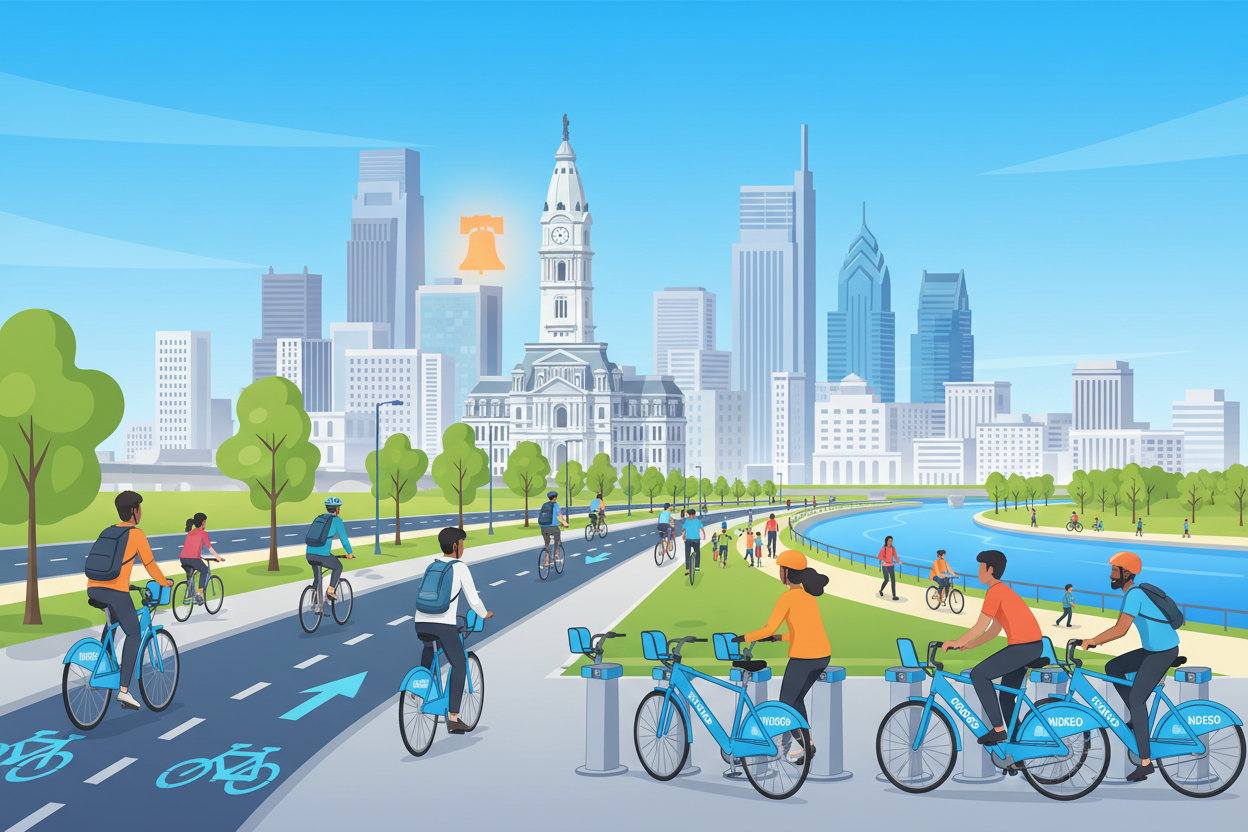
Philadelphia has transformed into one of America’s most bike-friendly cities, and there’s never been a better time to explore the City of Brotherly Love on two wheels. Whether you’re a tourist looking to see the sights or a local wanting to ditch the car for your daily commute, Philadelphia’s extensive bike share program and well-developed cycling infrastructure make pedaling around town both convenient and enjoyable.
From the cobblestone streets of Old City to the tree-lined paths along the Schuylkill River, cycling in Philadelphia offers a unique perspective on this historic city. The combination of dedicated bike lanes, scenic trails, and an accessible bike share system has made cycling not just a recreational activity, but a legitimate transportation option for thousands of residents and visitors alike.
Understanding Philadelphia’s Indego Bike Share System
Philadelphia launched Indego in 2015, with Independence Blue Cross as its founding sponsor. Use the official Indego website or app to check current station locations and bicycle availability before planning a trip; the network has grown since launch.
What makes Indego particularly appealing is its flexibility. You don’t need to return the bike to the same station where you picked it up, which means you can plan one-way trips without worrying about doubling back. The distinctive blue bikes are equipped with LED lights, adjustable seats, and sturdy baskets perfect for carrying your belongings while you explore.
Check the official Indego website for current passes, eligibility requirements, ride-time allowances and any extra charges. Choose a pass that fits your planned rides and follow the current checkout and return instructions rather than relying on an older price or unlocking procedure.
How to Use Indego: A Step-by-Step Guide
Getting started with Indego couldn’t be simpler, even if you’ve never used a bike share system before. The process begins with either downloading the Indego app on your smartphone or approaching one of the station kiosks directly. The app provides real-time information about bike availability and station locations, which can save you time and frustration during busy periods.
Follow the current Indego checkout instructions: use the app or an Indego Key, or the account phone-number lookup at stations with a touchscreen kiosk. Adjust the seat and check the bike before leaving.
Return the bicycle to an Indego station and confirm three beeps and a blinking green light at the dock. Check the official station map for available docks near your destination. Do not leave a checked-out bicycle unattended at a shop or attraction.
Top Cycling Routes for Scenic Adventures
Philadelphia’s cycling routes offer something for every type of rider, from leisurely scenic tours to challenging urban adventures. The Schuylkill River Trail stands out as the crown jewel of Philadelphia’s cycling infrastructure. This paved path stretches for miles along the river, offering stunning views of the city skyline and providing a peaceful escape from urban traffic.
Use the official Schuylkill Banks trail map to plan a riverfront ride. Check current trail notices for closures and detours before setting out. The river trail does not directly take riders to the South Philadelphia sports complex; stadium trips require a separately planned street route.
For history and architecture, choose destinations around Old City and plan the connecting streets separately. Independence Hall and the Liberty Bell are sightseeing stops, not evidence of a dedicated protected cycling trail between them. Dismount in crowded pedestrian areas, and take care on uneven historic paving.
Urban Commuting Routes and Bike Lanes
Spruce and Pine are useful east-west cycling corridors, but do not assume every block has continuous physical protection. Consult the City of Philadelphia transportation project updates for current improvements and roadwork, and watch for turning vehicles, loading activity and changing lane conditions.
The Ryan Avenue bike lane in the northeast and the Washington Avenue corridor in South Philadelphia demonstrate the city’s commitment to expanding cycling infrastructure beyond the downtown core. These routes connect residential neighborhoods with commercial districts and transit hubs, making bike commuting a viable option for more Philadelphians.
What’s particularly impressive about Philadelphia’s approach to cycling infrastructure is how it integrates with public transportation. Many bike lanes connect directly to subway stations and bus stops, allowing for seamless multi-modal trips. This integration has been crucial in encouraging more people to consider cycling as part of their daily transportation routine.
Safety Tips for Philadelphia Cyclists
Cycling in any major city requires awareness and preparation, and Philadelphia is no exception. The most important safety consideration is visibility, especially during dawn, dusk, or overcast conditions. While Indego bikes come equipped with lights, wearing bright or reflective clothing can significantly increase your visibility to drivers and pedestrians.
Understanding traffic patterns and road conditions is crucial for safe cycling in Philadelphia. The city’s mix of narrow historic streets and busy modern thoroughfares requires different approaches. On wider streets with dedicated bike lanes, maintaining a steady pace and following traffic signals works well. However, on narrower streets, especially in areas like Old City or Northern Liberties, extra caution and slower speeds are advisable.
Weather conditions can change rapidly in Philadelphia, and being prepared makes all the difference in your cycling experience. Summer thunderstorms can develop quickly, while winter conditions may leave roads slippery even when they appear clear. Checking weather forecasts and having a backup transportation plan ensures you’re never caught off guard during your ride.
Exploring Philadelphia’s Neighborhoods by Bike
One of the greatest advantages of cycling in Philadelphia is the ability to explore diverse neighborhoods that might be difficult to appreciate from a car or public transportation. Fishtown and Northern Liberties have emerged as cycling-friendly areas with a growing network of bike lanes and bike-friendly businesses. These neighborhoods offer a perfect blend of industrial history and modern development, with plenty of cafes and shops where you can stop and rest.
South Philadelphia presents a different cycling experience, with its grid of residential streets and the famous Italian Market along 9th Street. Cycling through this area allows you to experience the authentic neighborhood feel while easily stopping at various food vendors and specialty shops. The relatively flat terrain makes it accessible for cyclists of all skill levels.
West Philadelphia, home to the University of Pennsylvania and Drexel University, has developed excellent cycling infrastructure to serve its large student population. The area around University City offers protected bike lanes and easy access to both the Schuylkill River Trail and Center City, making it an ideal starting point for longer cycling adventures.
Seasonal Cycling in Philadelphia
Philadelphia’s four distinct seasons each offer unique cycling experiences, though they also present different challenges and opportunities. Spring brings mild temperatures and blooming trees throughout the city’s parks and tree-lined streets. This season is ideal for longer rides and exploring areas you might have avoided during the colder months. The Schuylkill River Trail is particularly beautiful in spring, with cherry blossoms and other flowering trees creating a scenic backdrop for your ride.
Summer cycling in Philadelphia requires some planning due to the heat and humidity that can make afternoon rides uncomfortable. Early morning and evening rides become more appealing, and the longer daylight hours provide more opportunities for after-work cycling. Many cyclists take advantage of summer evenings to explore the city’s outdoor dining scenes, using bikes to hop between different neighborhoods and restaurants.
Fall is arguably the most beautiful time to cycle in Philadelphia, with comfortable temperatures and spectacular foliage throughout the city’s parks and along the river trails. This season also brings some of the city’s best cycling events and festivals, creating a sense of community among local cyclists. Winter cycling is possible but requires appropriate clothing and extra caution due to potentially icy conditions.
Bike-Friendly Destinations and Stops
Philadelphia’s cycling culture extends beyond just the infrastructure to include numerous bike-friendly businesses and destinations. Many cafes and restaurants throughout the city provide bike racks and welcome cyclists, recognizing them as an important part of the local community. Reading Terminal Market, for example, offers bike parking and serves as an excellent destination for cyclists looking to refuel with local specialties.
The city’s numerous parks provide perfect rest stops and destinations for recreational cycling. Fairmount Park, one of the largest urban park systems in the country, offers miles of trails and paths suitable for cycling. Penn’s Landing along the Delaware River has been revitalized with bike-friendly amenities and provides beautiful waterfront views that make it a popular cycling destination.
Cultural attractions like the Philadelphia Museum of Art, the Barnes Foundation, and various neighborhoods’ mural arts programs are all easily accessible by bike and often provide secure bike parking. This accessibility makes it possible to plan cultural tours entirely by bicycle, combining exercise with education and entertainment.
Planning Your Philadelphia Cycling Adventure
Successful cycling in Philadelphia starts with good planning, whether you’re visiting for a day or looking to incorporate cycling into your regular routine. The Indego app and website provide valuable tools for planning routes and checking bike availability, but don’t overlook other resources like local cycling maps and community recommendations.
Consider your fitness level and experience when planning routes, especially if you’re new to urban cycling. Philadelphia’s terrain varies significantly, with some areas offering flat, easy riding while others include challenging hills. Starting with shorter, flatter routes and gradually building up to longer or more challenging rides helps ensure an enjoyable experience.
Time of day can significantly impact your cycling experience in Philadelphia. Rush hour traffic, while manageable on dedicated bike lanes, can be stressful for inexperienced urban cyclists. Weekend mornings often provide the most peaceful cycling conditions, with less traffic and more opportunities to enjoy the city’s sights and sounds.
Plan a Ride That Fits Your Day
Philadelphia’s transformation into a cycling-friendly city represents one of the most successful urban transportation initiatives in recent years. The combination of the accessible Indego bike share system, expanding network of protected bike lanes, and diverse cycling routes makes exploring Philadelphia by bike both practical and enjoyable. Whether you’re commuting to work, exploring historic neighborhoods, or enjoying recreational rides along scenic trails, cycling offers a unique and rewarding way to experience the City of Brotherly Love.
The continued growth and improvement of Philadelphia’s cycling infrastructure suggests an even brighter future for urban cycling in the city. As more people discover the convenience, health benefits, and pure enjoyment of cycling in Philadelphia, the community of cyclists continues to grow and advocate for even better facilities and routes. So grab an Indego bike, plan your route, and discover Philadelphia from the perfect vantage point of a bicycle seat.
Explore More of Philadelphia
Use our Philadelphia Explorer Map to choose stops, browse Philadelphia neighborhoods, and find more local planning ideas in our Philadelphia stories and guides.
Bike-share instructions and key route guidance reviewed September 26, 2026. Check the linked operators for current prices, availability and closures.