The Complete Guide to Philadelphia’s Community Gardens and Urban Farming
Philadelphia has quietly transformed into one of America’s most vibrant urban farming cities, with over 500 community gardens sprouting across its neighborhoods. From the bustling streets of North Philadelphia to the historic corners of South Philly, these green spaces are more than just gardens—they’re community lifelines that bring fresh produce, education, and hope to areas that need it most.
Whether you’re a seasoned gardener looking to get involved or a curious newcomer wondering how to start your own urban farming journey, Philadelphia’s community garden network offers something for everyone. This comprehensive guide will walk you through everything you need to know about the City of Brotherly Love’s incredible urban agriculture movement.
The History and Growth of Philadelphia’s Urban Farming Movement
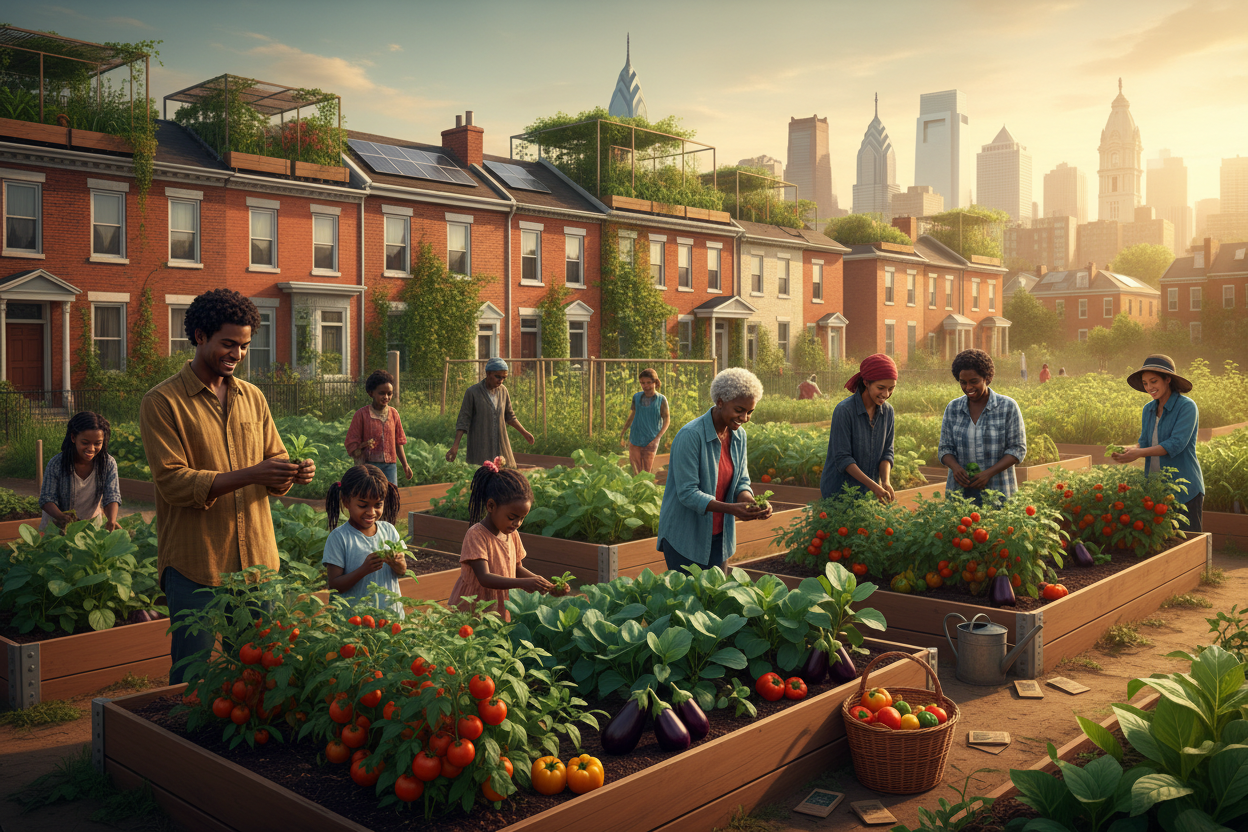
Philadelphia’s community garden movement didn’t happen overnight. It began in the 1970s when residents started reclaiming vacant lots in response to urban decay and limited access to fresh produce. What started as grassroots efforts has evolved into a city-supported network that addresses food security, environmental sustainability, and community building.
The Pennsylvania Horticultural Society has been instrumental in this growth, managing the Philadelphia LandCare program since 1988. This initiative has helped create and maintain hundreds of community gardens while providing resources, training, and ongoing support to garden groups throughout the city.
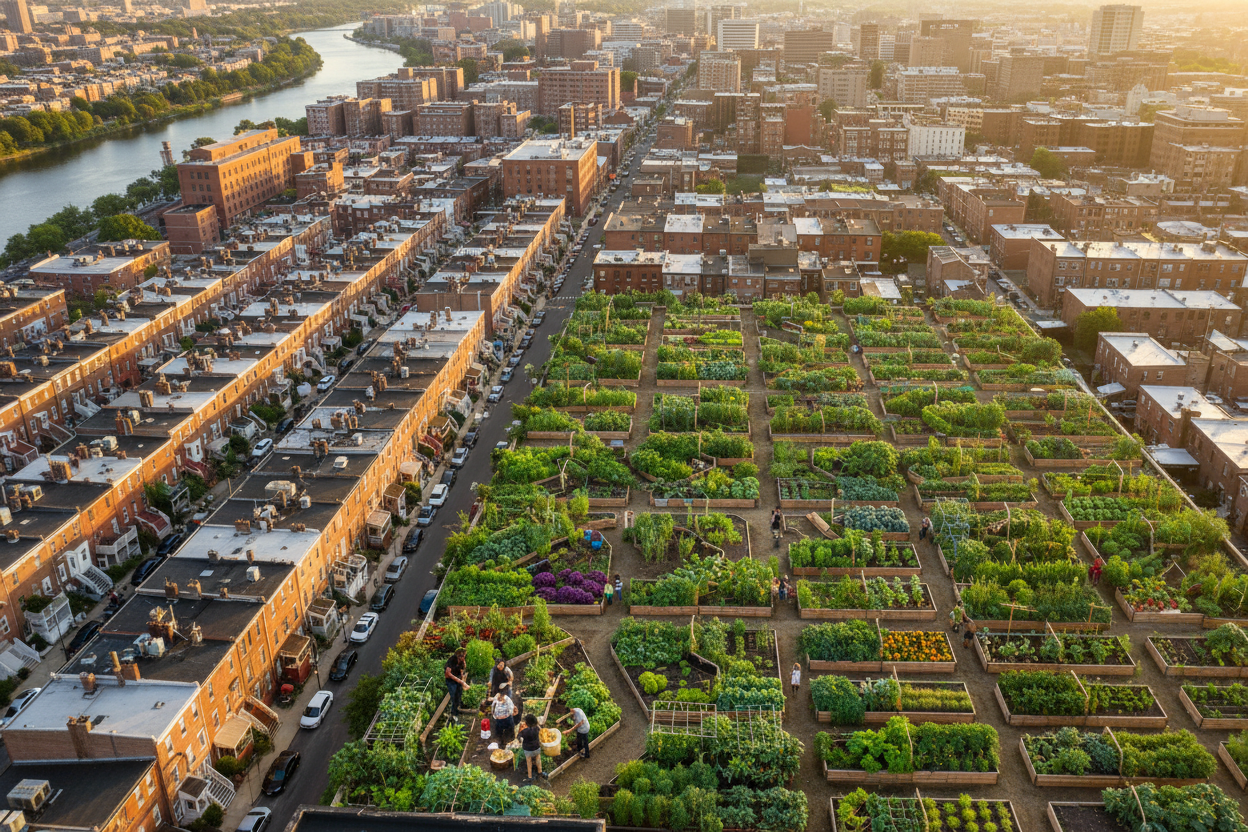
Today, Philadelphia boasts one of the most extensive urban farming networks in the United States. The city government actively supports these efforts through the Food Policy Advisory Council and various grant programs, recognizing that community gardens play a crucial role in addressing food deserts and promoting public health.
Types of Community Gardens in Philadelphia
Philadelphia’s community gardens come in various forms, each serving different purposes and communities. Understanding these different types can help you find the right fit for your interests and needs.
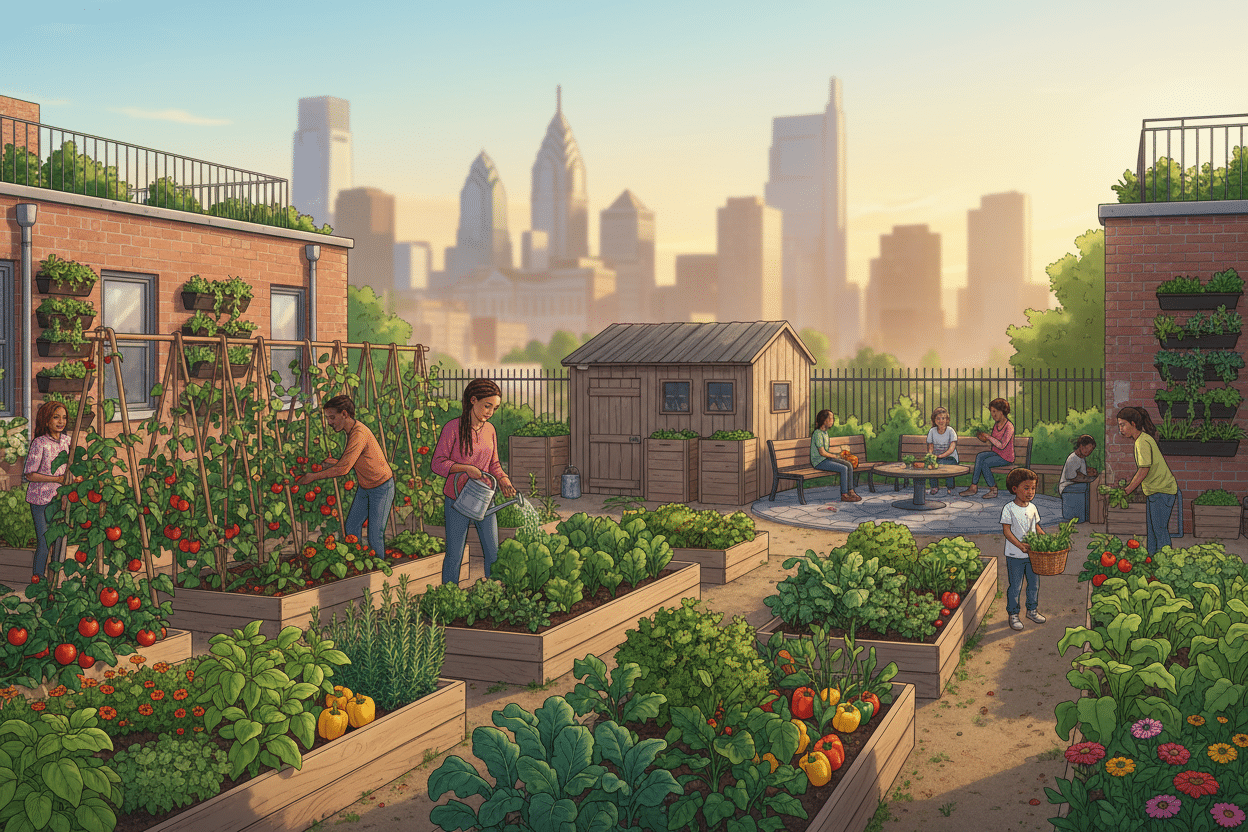
Neighborhood community gardens are the most common type, where local residents come together to grow vegetables, herbs, and flowers on shared plots. These gardens often feature individual family plots alongside common areas for composting, tool storage, and community gatherings.
School gardens have become increasingly popular, connecting students with hands-on learning opportunities while teaching valuable lessons about nutrition, science, and environmental stewardship. Many Philadelphia schools now incorporate garden-based learning into their curricula.
Market gardens represent the commercial side of urban farming, where dedicated farmers grow produce specifically for sale at farmers markets, restaurants, and community-supported agriculture programs. These operations demonstrate that urban farming can be both environmentally beneficial and economically viable.
Therapeutic gardens serve specialized populations, including seniors, individuals with disabilities, and those recovering from addiction. These spaces focus on the healing power of gardening while building community connections and life skills.
Notable Community Gardens and Urban Farms to Visit
Philadelphia’s community garden scene includes several standout locations that showcase the diversity and innovation of the city’s urban farming movement. These gardens welcome visitors and offer inspiration for anyone interested in urban agriculture.
Greensgrow Farms in Kensington stands as one of Philadelphia’s most successful urban farming operations. This former brownfield site now produces thousands of pounds of fresh produce annually while operating a popular farm stand and nursery. Their hydroponic growing systems and innovative use of space demonstrate how urban farms can thrive in challenging environments.
The Norris Square Neighborhood Project in North Philadelphia has transformed an entire block into a vibrant community space featuring gardens, murals, and cultural programming. This garden serves as a model for how urban agriculture can anchor broader community development efforts.
Mill Creek Farm in West Philadelphia operates on nearly two acres of reclaimed land, producing organic vegetables while providing job training and educational programs. Their commitment to sustainable farming practices and community engagement makes them a leader in Philadelphia’s urban agriculture scene.
The Bartram’s Garden Community Farm combines historical preservation with modern urban farming techniques. Located on the grounds of America’s oldest botanic garden, this space offers a unique blend of heritage and innovation while serving the surrounding Southwest Philadelphia community.
Getting Involved: How to Join or Start a Community Garden
Joining an existing community garden is often the easiest way to get started with urban farming in Philadelphia. Most gardens welcome new members, though some may have waiting lists for individual plots. Start by contacting gardens in your neighborhood to learn about membership requirements, fees, and available opportunities.
The Pennsylvania Horticultural Society maintains a comprehensive database of community gardens throughout Philadelphia, making it easy to find gardens near you. Many gardens also have Facebook pages or websites where they share information about meetings, work days, and special events.
If you’re interested in starting a new community garden, the process requires more planning but can be incredibly rewarding. Begin by identifying potential sites, which might include vacant lots, unused park space, or even rooftops. You’ll need to research property ownership, gather community support, and develop a management plan.
The Philadelphia LandCare program offers resources and guidance for new garden groups, including help with site preparation, soil testing, and organizational development. They can also connect you with experienced gardeners who can serve as mentors during your garden’s early stages.
Successful community gardens require strong leadership and clear communication among members. Consider forming a garden committee that can handle tasks like plot assignments, maintenance schedules, and conflict resolution. Regular meetings and clear guidelines help ensure that everyone can enjoy the garden space.
Resources and Support for Urban Farmers
Philadelphia’s urban farming community benefits from an extensive network of organizations, programs, and resources designed to support both new and experienced gardeners. Understanding these resources can help you maximize your success and connect with the broader urban agriculture community.
The Pennsylvania Horticultural Society offers workshops, technical assistance, and materials through their Philadelphia LandCare program. They provide everything from basic gardening classes to advanced training on topics like soil health, pest management, and season extension techniques.
The Philadelphia Food Policy Advisory Council works to improve food access and support local food systems. They offer grants and resources for community gardens while advocating for policies that support urban agriculture throughout the city.
Local universities, including Temple University and the University of Pennsylvania, conduct research on urban agriculture and offer educational programs. These institutions often provide technical expertise, student volunteers, and access to specialized knowledge about urban farming techniques.
Neighborhood organizations and community development corporations frequently support local gardens as part of broader community improvement efforts. These groups can provide funding, volunteer coordination, and connections to other local resources.
Online resources and social media groups connect Philadelphia’s urban farmers, allowing them to share tips, coordinate bulk purchasing of supplies, and organize skill-sharing workshops. The Philadelphia Urban Gardeners Facebook group serves as a particularly active hub for information and community building.
Seasonal Growing Tips for Philadelphia’s Climate
Philadelphia’s mid-Atlantic climate offers both opportunities and challenges for urban farmers. Understanding the local growing conditions and seasonal patterns can help you maximize your garden’s productivity throughout the year.
Spring gardening in Philadelphia typically begins in March with cool-season crops like lettuce, spinach, and peas. The last frost usually occurs in mid to late April, making it safe to plant warm-season crops like tomatoes, peppers, and squash by early May. Many experienced gardeners start seeds indoors during February and March to get a head start on the growing season.
Summer brings hot, humid conditions that can stress plants but also allow for abundant harvests. Focus on heat-tolerant varieties and ensure adequate watering during dry spells. Many gardens install rain barrels or drip irrigation systems to maintain consistent moisture levels while conserving water.
Fall offers excellent growing conditions for cool-season crops, with many vegetables actually improving in flavor after light frosts. Experienced Philadelphia gardeners often achieve their best harvests during September and October, when temperatures moderate but daylight hours remain adequate for plant growth.
Winter gardening is possible in Philadelphia with proper planning and season extension techniques. Cold frames, row covers, and hoop houses can protect crops like kale, carrots, and Brussels sprouts well into December and beyond. Some hardy greens can survive Philadelphia winters with minimal protection.
The Impact of Community Gardens on Philadelphia Neighborhoods
Community gardens create ripple effects that extend far beyond fresh produce, transforming neighborhoods in ways that researchers and residents continue to document. These green spaces serve as catalysts for broader community development while addressing multiple urban challenges simultaneously.
Food security represents one of the most immediate impacts of community gardens. In a city where many neighborhoods lack access to fresh, affordable produce, gardens provide residents with direct access to nutritious vegetables and herbs. Studies have shown that families involved in community gardening consume more fruits and vegetables while spending less money on groceries.
Property values in neighborhoods with active community gardens tend to increase over time, as these green spaces make areas more attractive to residents and businesses. The gardens also reduce crime rates by increasing foot traffic and community surveillance while providing positive activities for youth and adults.
Environmental benefits include improved air quality, reduced stormwater runoff, and increased urban biodiversity. Community gardens create habitat for birds, butterflies, and beneficial insects while helping to moderate local temperatures through increased vegetation.
Social connections flourish in community gardens, where people from different backgrounds come together around shared goals. These relationships often extend beyond the garden, creating stronger neighborhood networks and increased civic participation.
Future of Urban Farming in Philadelphia
Philadelphia’s urban farming movement continues to evolve, with new technologies, policies, and approaches expanding the possibilities for community-based agriculture. The city’s commitment to supporting these efforts suggests that urban farming will play an increasingly important role in Philadelphia’s future development.
Technological innovations like vertical growing systems, aquaponics, and smart irrigation are beginning to appear in Philadelphia’s community gardens. These tools can increase productivity while reducing resource consumption, making urban farming more efficient and sustainable.
Policy changes at the city level continue to support urban agriculture expansion. Recent zoning updates have made it easier to establish community gardens and small-scale commercial farming operations, while new grant programs provide funding for garden infrastructure and programming.
The next generation of urban farmers is already taking shape in Philadelphia’s schools and youth programs. As these young people gain experience and develop leadership skills, they’re likely to bring fresh perspectives and innovations to the city’s urban agriculture scene.
Climate change adaptation will likely drive further innovation in Philadelphia’s community gardens, as gardeners develop strategies for dealing with more extreme weather events and shifting growing seasons. These efforts could serve as models for urban agriculture in other cities facing similar challenges.
Philadelphia’s community gardens and urban farms represent more than just a trend—they’re a fundamental shift toward more sustainable, equitable, and resilient communities. Whether you’re drawn by the promise of fresh tomatoes, the desire to connect with neighbors, or the satisfaction of nurturing something from seed to harvest, Philadelphia’s urban farming community offers countless opportunities to grow, learn, and contribute to positive change.
The seeds planted in today’s community gardens are growing into tomorrow’s food security, environmental sustainability, and community strength. By getting involved in Philadelphia’s urban farming movement, you’re not just joining a garden—you’re becoming part of a vision for a healthier, more connected city where everyone has access to fresh food and green spaces.