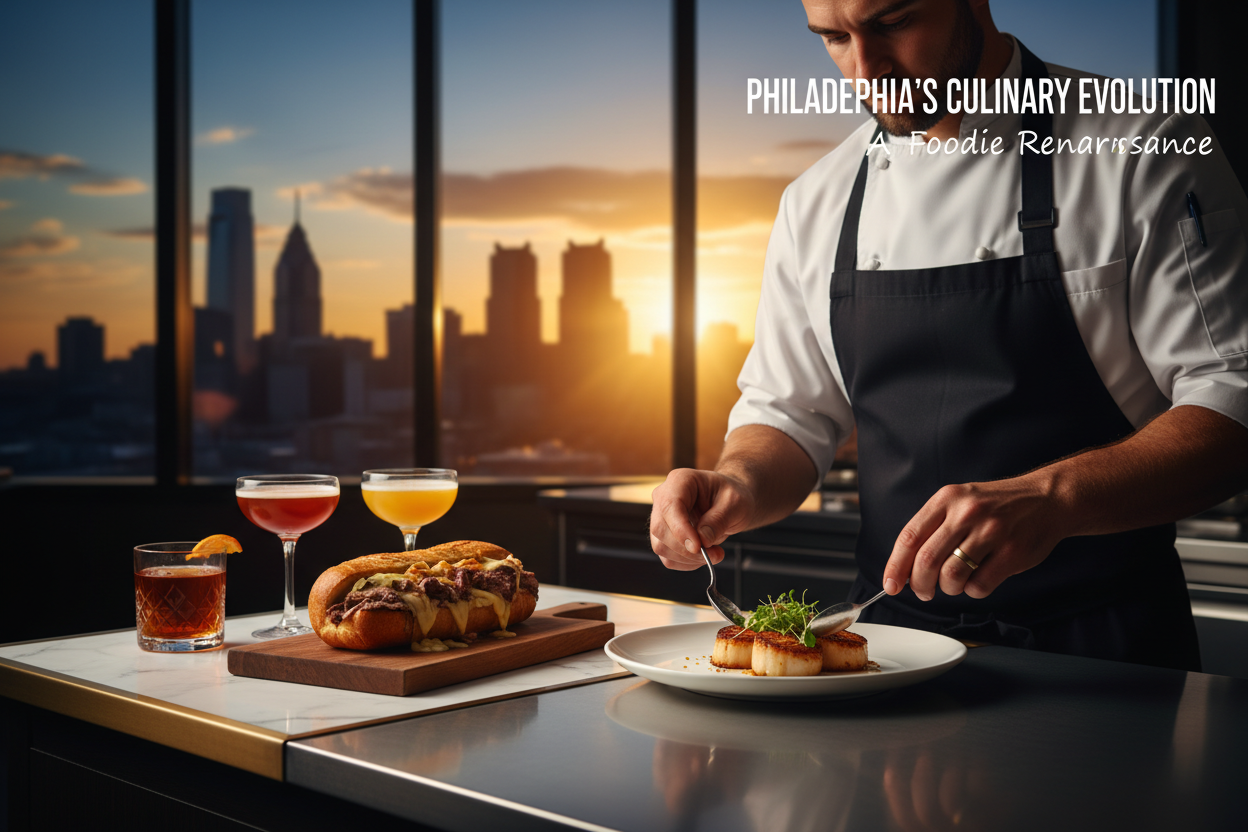
How Philadelphia Became a Foodie Destination: Chef Profiles and Restaurant Evolution
Philadelphia has quietly transformed from a city known primarily for cheesesteaks and hoagies into one of America’s most exciting culinary destinations. This evolution didn’t happen overnight—it’s been decades in the making, driven by innovative chefs, changing demographics, and a renewed appreciation for the city’s rich food heritage. Today, Philadelphia stands shoulder-to-shoulder with New York, San Francisco, and Chicago as a must-visit destination for serious food lovers.
The transformation of Philadelphia’s dining scene represents more than just an increase in restaurant quality. It reflects the city’s broader cultural renaissance, its embrace of diversity, and its ability to honor tradition while pushing culinary boundaries. From James Beard Award winners to rising stars, Philadelphia’s chefs have created a food culture that’s both deeply rooted in local traditions and refreshingly contemporary.
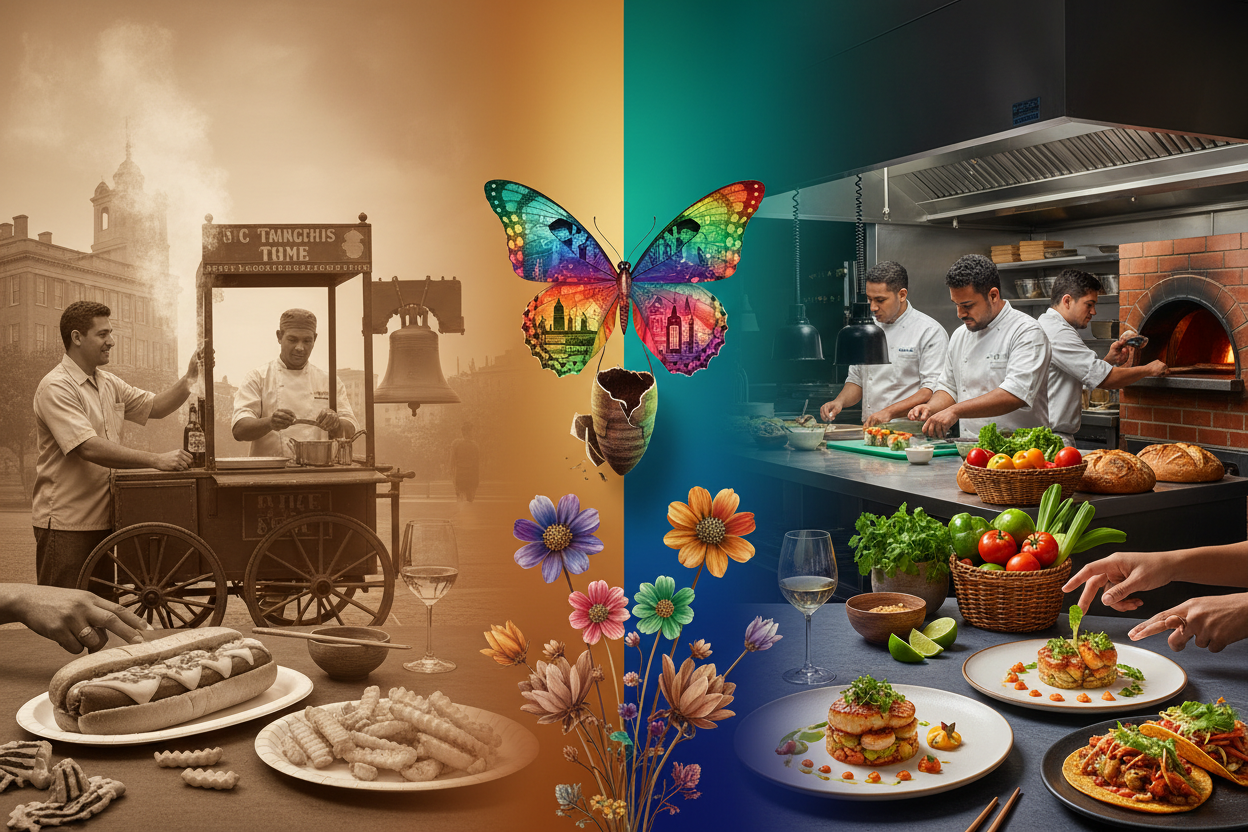
The Foundation: Philadelphia’s Culinary Heritage
Understanding Philadelphia’s rise as a foodie destination requires looking back at its culinary foundations. The city’s food culture has always been shaped by its role as a major port and immigrant gateway. Italian families in South Philadelphia, Jewish communities in North Philadelphia, and Irish settlers throughout the city all contributed distinct flavors and techniques that would later influence the modern dining scene.
The iconic Philadelphia cheesesteak, born in the 1930s, became the city’s most famous culinary export. But beneath this blue-collar reputation lay a more sophisticated food tradition. Philadelphia was home to some of America’s earliest fine dining establishments, and the city’s proximity to fertile farmland in Pennsylvania, New Jersey, and Delaware provided access to exceptional ingredients that forward-thinking chefs would eventually leverage.
The city’s restaurant scene in the 1980s and early 1990s was largely characterized by old-school establishments and neighborhood joints. While these places served their communities well, they didn’t attract national attention or food tourism. The stage was set for a dramatic transformation that would begin in earnest during the late 1990s.
The Pioneers: Chefs Who Changed Everything
Several visionary chefs deserve credit for elevating Philadelphia’s dining reputation and laying the groundwork for today’s thriving food scene. These culinary pioneers didn’t just open restaurants—they changed how people thought about food in Philadelphia.
Stephen Starr emerged as perhaps the most influential figure in Philadelphia’s restaurant renaissance. Starting with Continental in the mid-1990s, Starr introduced a level of design sophistication and culinary ambition that was largely absent from the city’s dining scene. His restaurant group would go on to open dozens of successful concepts, from the raw bar excellence of Oyster House to the modern American cuisine at The Dandelion.
Marc Vetri arrived in Philadelphia after training in Italy and opened Vetri in 1998, bringing an authentic yet innovative approach to Italian cuisine. His tiny, 35-seat restaurant became legendary for its handmade pasta and intimate dining experience. Vetri’s influence extended beyond his own restaurants as he mentored numerous chefs who would go on to open their own acclaimed establishments throughout the city.
Jose Garces brought Latin flavors to Philadelphia’s evolving palate with restaurants like Amada and Distrito. His James Beard Award-winning approach to Spanish and Latin American cuisine introduced Philadelphia diners to sophisticated preparations of familiar ingredients and entirely new flavor profiles. Garces proved that Philadelphia was ready for bold, internationally-influenced cuisine.
The New Generation: Contemporary Culinary Stars
Building on the foundation laid by the pioneers, a new generation of chefs has emerged to further cement Philadelphia’s reputation as a serious food destination. These chefs combine technical excellence with creative vision, often drawing inspiration from Philadelphia’s diverse neighborhoods and rich agricultural surroundings.
Michael Solomonov has become synonymous with Philadelphia’s modern Israeli cuisine movement. His restaurant Zahav earned a James Beard Award and national recognition for its innovative approach to Middle Eastern flavors. Solomonov’s success with Zahav led to additional concepts like K’Far Cafe and Goldie, each exploring different aspects of Israeli and Jewish cuisine while maintaining the high standards that made Zahav famous.
Jennifer Carroll made her mark at 10 Arts before opening Spice Finch, where she explores the connections between Philadelphia and the spice trade that once made the city wealthy. Her approach combines historical research with contemporary technique, creating dishes that tell the story of Philadelphia’s culinary evolution.
Greg Vernick transformed a former auto repair shop into Vernick Food & Drink, earning a James Beard Award for Best Chef Mid-Atlantic. His restaurant exemplifies the modern Philadelphia approach: locally-sourced ingredients, globally-inspired techniques, and a casual elegance that feels both sophisticated and approachable.
Neighborhood Transformations and Food Corridors
Philadelphia’s foodie transformation extends far beyond individual restaurants to encompass entire neighborhoods that have become dining destinations in their own right. These areas showcase the diversity and creativity that define modern Philadelphia cuisine.
Fishtown has emerged as one of the city’s most exciting food neighborhoods, attracting young chefs with relatively affordable rent and a community eager to support innovative dining concepts. Restaurants like Suraya, which serves Lebanese cuisine in a beautifully designed space, and Kensington Quarters, known for its whole-animal butchery and nose-to-tail cooking, represent the neighborhood’s commitment to both quality and creativity.
The Italian Market in South Philadelphia has evolved from a traditional grocery destination into a hybrid of old-world authenticity and new-world innovation. While longstanding businesses like Villa di Roma and Tony Luke’s maintain their traditional offerings, newer establishments like Barbuzzo and Monsu have brought contemporary approaches to Italian cuisine to the historic corridor.
Northern Liberties and the areas around Girard Avenue have become known for their diverse international cuisine, reflecting Philadelphia’s growing immigrant communities. Restaurants serving authentic Vietnamese, Ethiopian, Mexican, and Caribbean food have found enthusiastic audiences, contributing to the city’s reputation for culinary diversity.
Farm-to-Table Movement and Local Sourcing
Philadelphia’s proximity to some of the country’s most productive farmland has enabled its chefs to embrace the farm-to-table movement with genuine authenticity. This isn’t just a marketing trend in Philadelphia—it’s a practical reality that has shaped the city’s modern culinary identity.
Restaurants like White Dog Cafe were early adopters of local sourcing, building relationships with Pennsylvania farmers and producers that continue to this day. The success of these pioneering establishments proved that Philadelphia diners valued freshness, seasonality, and supporting local agriculture.
The growth of farmers markets throughout the city, including the popular Rittenhouse Square and Clark Park markets, has created direct connections between producers and both chefs and home cooks. These markets have become incubators for food entrepreneurs and gathering places for the city’s food-obsessed community.
Many of Philadelphia’s most celebrated restaurants now list their farm partners on menus, and some have gone even further by creating their own urban farms or partnering with specific producers for exclusive ingredients. This commitment to local sourcing has created a distinctly Philadelphia approach to seasonal cooking that sets the city apart from other major food destinations.
Food Festivals and Culinary Events
Philadelphia’s transformation into a foodie destination has been accelerated by the growth of food festivals and culinary events that showcase the city’s talent and attract visitors from around the country. These events have created platforms for chefs to experiment, collaborate, and gain national exposure.
The annual Philly Wine Week brings together restaurants, bars, and wine shops for a city-wide celebration of wine culture. The event has grown significantly since its inception, drawing wine enthusiasts from across the region and providing local establishments with opportunities to showcase their beverage programs.
Restaurant Week Philadelphia has become one of the city’s most anticipated culinary events, offering diners the opportunity to experience high-end restaurants at accessible price points. The event has introduced countless visitors to Philadelphia’s dining scene and encouraged locals to explore restaurants they might not otherwise try.
Smaller, neighborhood-focused events like the Fishtown Foodies Tour and South Street Spring Festival have created opportunities for emerging restaurants to gain exposure while celebrating the unique character of Philadelphia’s diverse food neighborhoods.
The Impact of Food Media and Recognition
National food media attention has played a crucial role in establishing Philadelphia’s reputation as a serious culinary destination. When respected food critics and publications began taking notice of what was happening in Philadelphia’s kitchens, it validated what locals had been experiencing and attracted new visitors to the city.
James Beard Award recognition has been particularly important for Philadelphia’s culinary credibility. When chefs like Marc Vetri, Jose Garces, and Michael Solomonov began winning national awards, it signaled to the broader culinary world that Philadelphia was producing cuisine worthy of national attention.
Food Network shows, Travel Channel features, and articles in publications like Food & Wine and Bon Appetit have introduced Philadelphia’s food scene to national audiences. These media appearances have translated directly into increased food tourism and helped establish Philadelphia as a legitimate weekend destination for serious food lovers.
Social media has amplified this effect, with food bloggers and Instagram influencers sharing Philadelphia’s photogenic dishes and unique dining experiences with followers across the country. The visual nature of social media has been particularly beneficial for Philadelphia’s more creative and artistic culinary presentations.
Looking Forward: The Future of Philadelphia’s Food Scene
Philadelphia’s evolution as a foodie destination continues to accelerate, with new restaurants, food halls, and culinary concepts opening regularly. The city’s food scene has reached a level of maturity and sophistication that ensures its continued growth and national relevance.
The development of food halls like Reading Terminal Market’s expansion and new concepts like Bourse Food Hall has created additional platforms for both established chefs and emerging talent. These venues allow for experimentation and provide lower-barrier entry points for culinary entrepreneurs.
Philadelphia’s culinary schools, including the Restaurant School at Walnut Hill College and the Culinary Institute of Philadelphia, continue to produce talented graduates who often choose to stay in the city and contribute to its growing food scene. This creates a sustainable pipeline of culinary talent that supports continued growth and innovation.
The city’s commitment to supporting small businesses and food entrepreneurs through initiatives like the Philadelphia Industrial Development Corporation’s food business programs ensures that the diverse, independent spirit that defines Philadelphia’s food culture will continue to thrive alongside larger restaurant groups and national chains.
Philadelphia’s transformation from a city known primarily for cheesesteaks to a nationally recognized foodie destination represents one of the most remarkable culinary evolutions in American dining history. Through the vision of pioneering chefs, the embrace of local sourcing, the celebration of diverse food cultures, and the support of an enthusiastic dining public, Philadelphia has created a food scene that honors its past while boldly embracing its future. For food lovers seeking authentic experiences, innovative cuisine, and genuine hospitality, Philadelphia has established itself as an essential American food destination that continues to surprise and delight visitors from around the world.