The Ultimate Guide to Philadelphia’s Ethnic Neighborhoods and Cuisines
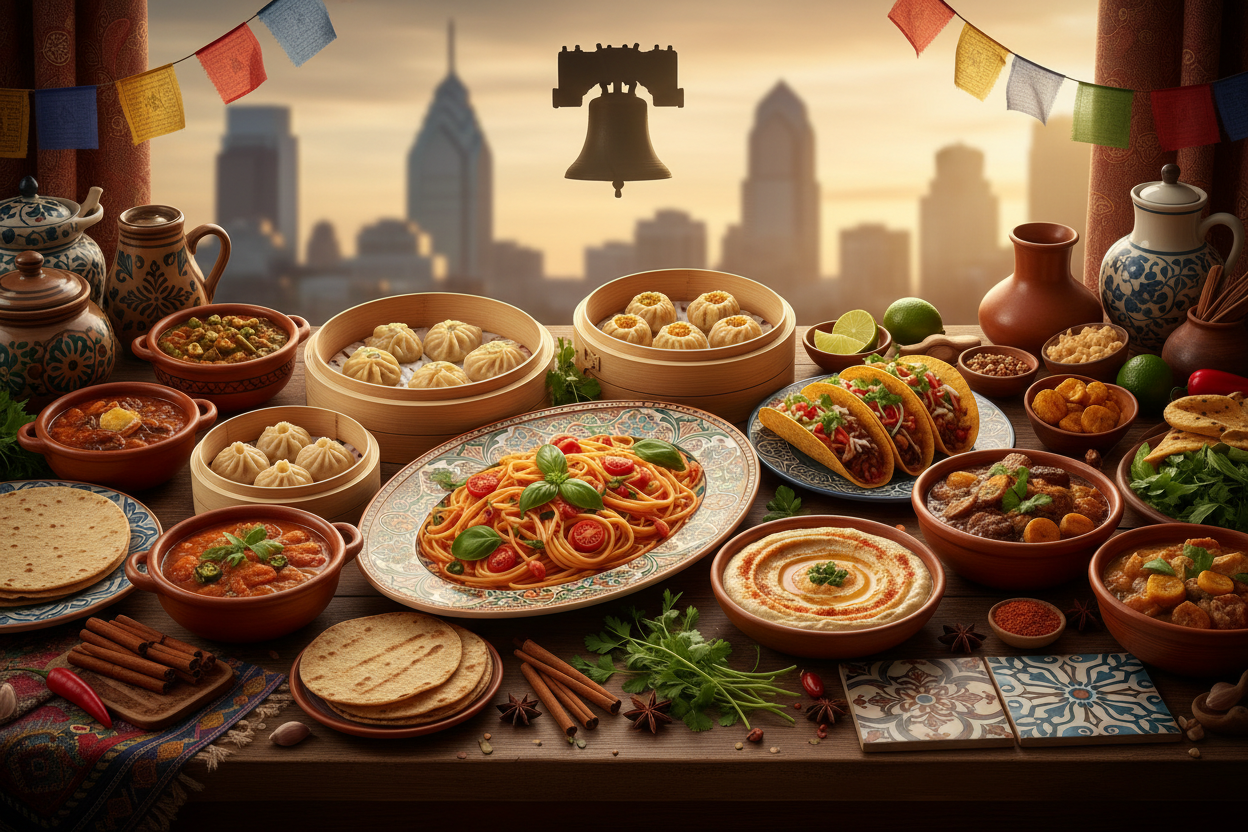
Philadelphia isn’t just the birthplace of American independence – it’s also a melting pot of cultures that have shaped the city’s incredible culinary landscape. From the aromatic spices of South Philadelphia’s Italian Market to the vibrant flavors of Chinatown, each ethnic neighborhood tells a unique story through its food. Whether you’re a lifelong Philadelphian or a curious visitor, exploring these diverse communities offers an authentic taste of the world without leaving the City of Brotherly Love.
This comprehensive guide will take you on a delicious journey through Philadelphia’s most celebrated ethnic enclaves, where generations of immigrants have preserved their culinary traditions while adapting to their new home. Get ready to discover hidden gems, time-honored recipes, and the passionate people who keep these food cultures alive in the heart of Pennsylvania.
South Philadelphia: Italy’s Lasting Legacy
South Philadelphia’s Italian American community has been the backbone of the city’s food scene for over a century. The famous Italian Market along 9th Street stretches for blocks, creating an authentic European marketplace experience that rivals anything you’d find in Rome or Naples.
Villa di Roma, established in 1964, serves some of the most authentic Italian cuisine outside of Italy. Their homemade pasta and traditional red sauce recipes have been passed down through three generations. Just a few blocks away, you’ll find Termini Brothers Bakery, where the cannoli are still made fresh daily using a recipe that hasn’t changed since 1921.
The neighborhood’s crown jewel is Pat’s King of Steaks, where the Philly cheesesteak was invented in 1930. While tourists flock here, locals know that the real Italian treasures lie in the smaller family-owned establishments. Stop by DiBruno Bros for imported cheeses and cured meats, or grab a roast pork sandwich from John’s Roast Pork – a South Philly institution that’s been serving the community since 1930.
Don’t miss the annual Italian Market Festival in May, where the streets come alive with live music, cooking demonstrations, and vendors selling everything from fresh mozzarella to handmade pasta. It’s the perfect time to experience the neighborhood’s vibrant community spirit.
Chinatown: A Fusion of Authentic Asian Flavors
Philadelphia’s Chinatown may be compact, but it packs an incredible punch when it comes to authentic Asian cuisine. Established in the 1870s, this neighborhood has evolved into a diverse Asian community representing Chinese, Vietnamese, Thai, and Malaysian cultures.
Nom Wah Tea Parlor offers traditional dim sum that rivals New York’s best establishments. Their har gow (shrimp dumplings) and char siu bao (barbecue pork buns) are made fresh throughout the day. For those seeking something different, Vietnam Restaurant serves pho that locals swear tastes just like what you’d find in Saigon, with a rich, aromatic broth that simmers for hours.
The neighborhood’s food courts are treasure troves of authentic flavors. Reading Terminal Market’s Asian vendors offer everything from fresh bubble tea to Malaysian curry noodles. Meanwhile, the smaller family-run restaurants along Race Street serve regional Chinese specialties that you won’t find in typical American Chinese restaurants.
Shang Hai Restaurant has been a Chinatown staple since 1980, specializing in Shanghai-style cuisine including their famous soup dumplings. The restaurant maintains traditional cooking methods, with hand-pulled noodles made fresh daily and dishes that reflect the complex flavors of authentic Chinese regional cooking.
Northern Liberties and Fishtown: The New Wave of Ethnic Dining
These rapidly gentrifying neighborhoods have become hotspots for innovative ethnic cuisine, where young chefs blend traditional recipes with modern techniques. The area represents Philadelphia’s evolving food scene, where authenticity meets creativity.
Kensington Quarters showcases a nose-to-tail approach to cooking with influences from various European traditions. Their charcuterie program reflects German and Italian techniques, while their seasonal menu incorporates flavors from across the Mediterranean. The restaurant’s commitment to local sourcing has made it a destination for food enthusiasts seeking elevated ethnic-inspired cuisine.
La Colombe Coffee Roasters, while primarily known for coffee, represents the neighborhood’s French influence with their café culture and pastry program. Their croissants and pain au chocolat are made using traditional French techniques, bringing a taste of Paris to Philadelphia’s hipster enclaves.
The area also features several excellent Mexican establishments, including Loco Pez, where the tacos are made with house-made tortillas and fillings that change based on seasonal availability. Their mole poblano is prepared using a recipe that includes over twenty ingredients and takes two days to complete.
West Philadelphia: A Tapestry of African and Caribbean Cultures
West Philadelphia’s diverse African and Caribbean communities have created one of the city’s most vibrant and authentic ethnic food scenes. From Ethiopian injera to Jamaican jerk chicken, this area offers flavors that transport you across continents.
Dahlak Restaurant serves traditional Ethiopian cuisine in a warm, communal atmosphere. Their vegetarian combination platter is perfect for newcomers to Ethiopian food, featuring various lentil and vegetable dishes served on injera bread. The restaurant’s coffee ceremony, performed tableside, provides an authentic cultural experience that goes beyond just dining.
For Caribbean flavors, Caribbean Delight offers some of the best Jamaican food in the city. Their oxtail stew is slow-cooked until tender, and their jerk chicken is marinated for 24 hours before being grilled over pimento wood. The restaurant’s curry goat has developed a cult following among locals who appreciate authentic Caribbean spicing.
The neighborhood also features several excellent West African restaurants, including Kabobeesh, which serves Pakistani and Indian cuisine. Their biryani is fragrant with whole spices, and their naan is baked fresh in a traditional tandoor oven. The restaurant’s lunch buffet offers an affordable way to sample various regional specialties.
Port Richmond: Poland’s Enduring Presence
Port Richmond’s Polish American community has maintained strong culinary traditions that date back to the early 1900s. This neighborhood offers some of the most authentic Polish cuisine on the East Coast, with restaurants and markets that serve the local Polish-speaking community.
Czerw’s Polish Kielbasa has been making traditional Polish sausages since 1952. Their kielbasa is made using recipes brought from Poland, with no fillers or artificial preservatives. The shop also carries imported Polish goods, including pickles, breads, and specialty items that are difficult to find elsewhere in Philadelphia.
Krakus Market functions as both a grocery store and informal restaurant, serving fresh pierogi, golumpki (stuffed cabbage), and bigos (hunter’s stew) to lines of customers every weekend. Their pierogi are hand-made daily, with fillings that include traditional potato and cheese, sauerkraut, and seasonal options like blueberry during summer months.
The annual Polish American Cultural Center Festival showcases the neighborhood’s rich heritage, featuring traditional folk dancing, live polka music, and vendors selling homemade Polish specialties. It’s an excellent opportunity to experience the community’s warmth and hospitality while sampling authentic Polish comfort food.
Exploring Philadelphia’s Ethnic Food Markets
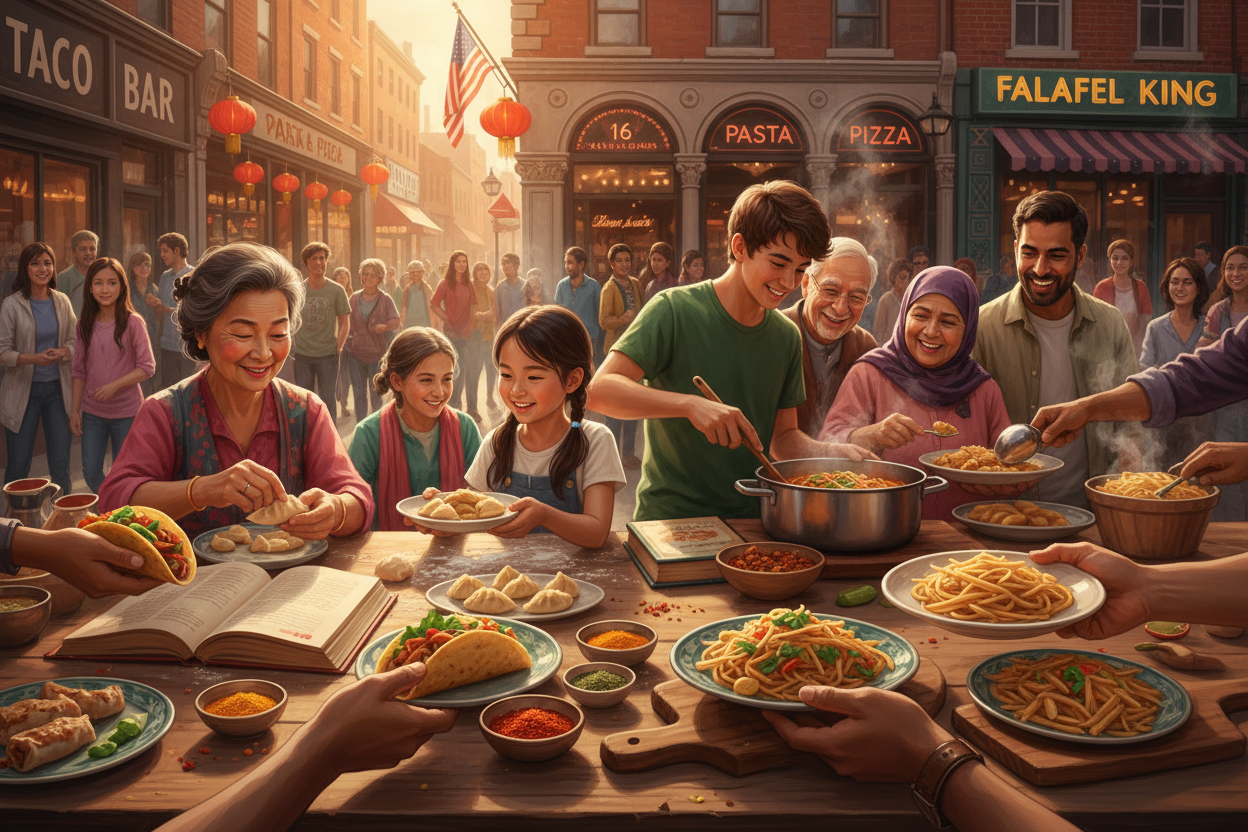
Beyond the restaurants, Philadelphia’s ethnic markets offer incredible opportunities to experience authentic ingredients and take home the flavors of these diverse communities. These markets serve as cultural centers where community members gather, share recipes, and maintain connections to their heritage.
Reading Terminal Market remains the city’s premier destination for diverse ethnic foods under one roof. The market features Amish vendors selling traditional Pennsylvania Dutch specialties alongside Asian, Italian, and Middle Eastern merchants. It’s the perfect place to sample various cuisines in a single visit while supporting small, family-owned businesses.
H Mart in Cheltenham provides an extensive selection of Korean, Japanese, and other Asian ingredients. Their prepared food section offers authentic Korean dishes like bibimbap and kimchi jjigae, while their bakery features Asian pastries and desserts that are difficult to find elsewhere in the region.
These markets also serve as educational resources, with knowledgeable staff who can explain unfamiliar ingredients and suggest preparation methods. Many offer cooking classes and cultural events that help bridge communities and share culinary traditions with newcomers.
Conclusion
Philadelphia’s ethnic neighborhoods represent more than just dining destinations – they’re living museums of immigrant culture and culinary tradition. Each community has contributed to the city’s rich tapestry while maintaining its unique identity and authentic flavors. From the time-honored Italian establishments of South Philadelphia to the innovative fusion restaurants of Northern Liberties, these neighborhoods offer endless opportunities for culinary exploration.
The beauty of Philadelphia’s ethnic food scene lies not just in the delicious dishes, but in the stories behind them. Every restaurant, market, and food vendor represents generations of families who brought their recipes, techniques, and traditions to America while adapting to their new home. By supporting these businesses and exploring these neighborhoods, you’re not just enjoying great food – you’re participating in the ongoing story of American immigration and cultural exchange.
Whether you’re planning a food tour or simply looking for your next great meal, Philadelphia’s ethnic neighborhoods offer authentic experiences that rival any major international city. Take the time to explore beyond the tourist destinations, engage with the community members, and discover the incredible diversity that makes Philadelphia’s food scene truly world-class.