
How to Experience Philadelphia’s Religious Diversity and Interfaith Community
Philadelphia, the City of Brotherly Love, lives up to its name in ways that extend far beyond its famous founding principles. This historic metropolis has evolved into a remarkable tapestry of religious traditions, where centuries-old faiths coexist alongside newer spiritual movements, creating one of America’s most vibrant interfaith communities. Whether you’re a curious traveler, a new resident, or someone seeking to deepen your understanding of different religious traditions, Philadelphia offers countless opportunities to explore, learn, and connect across faith boundaries.
The city’s religious landscape reflects its rich immigrant history and progressive values, making it an ideal destination for anyone interested in experiencing authentic religious diversity. From the iconic Christ Church where George Washington once worshipped to the stunning Islamic Cultural Center, Philadelphia’s sacred spaces tell the story of a nation built on religious freedom and tolerance.
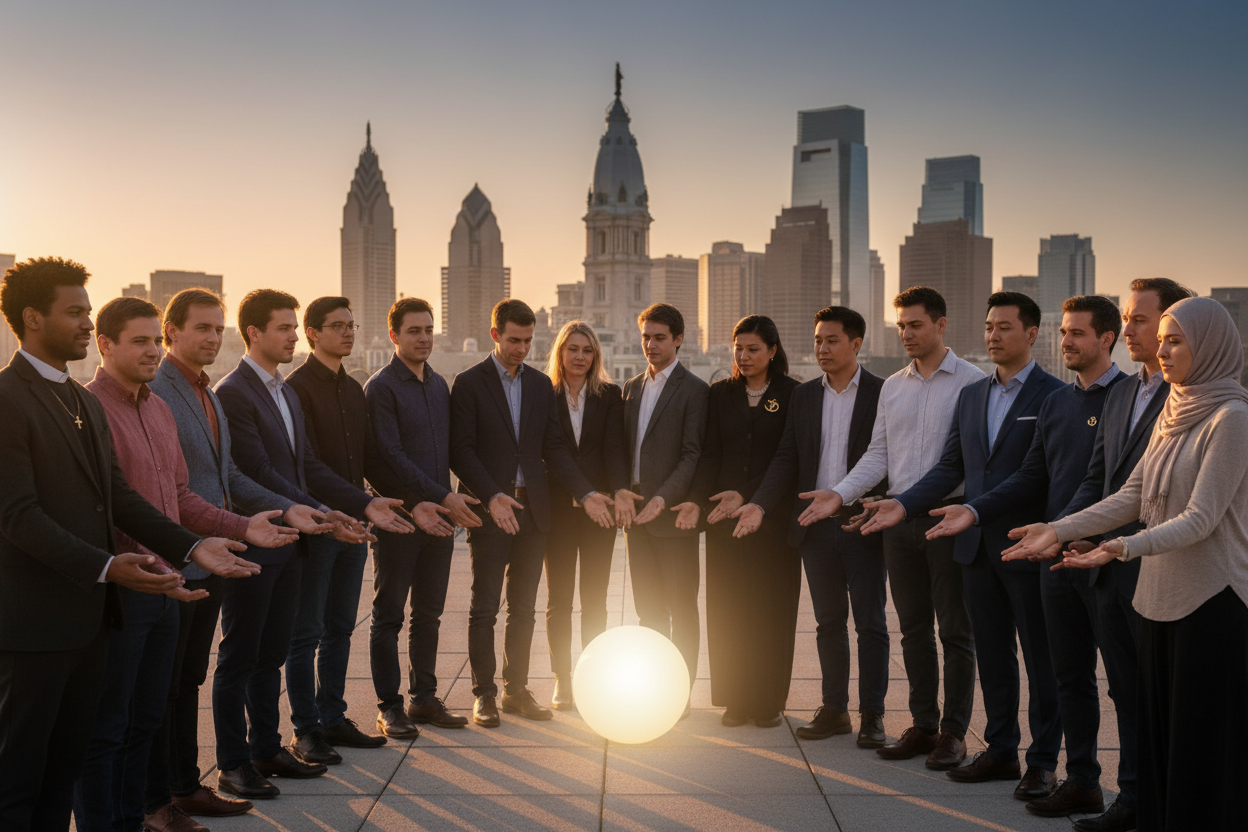
Philadelphia’s Historic Religious Foundation
Philadelphia’s commitment to religious freedom dates back to its founding by William Penn in 1682. Penn, a Quaker himself, established the colony as a haven for religious minorities facing persecution in Europe. This foundational principle of tolerance created fertile ground for diverse religious communities to take root and flourish.
The city’s religious history unfolds like a living museum. Independence Hall, where the Constitution was signed, stands as a testament to the separation of church and state that would become a cornerstone of American democracy. Meanwhile, the nearby Christ Church, built in 1695, represents one of the oldest Anglican congregations in the country and welcomed worshippers including Benjamin Franklin and Betsy Ross.
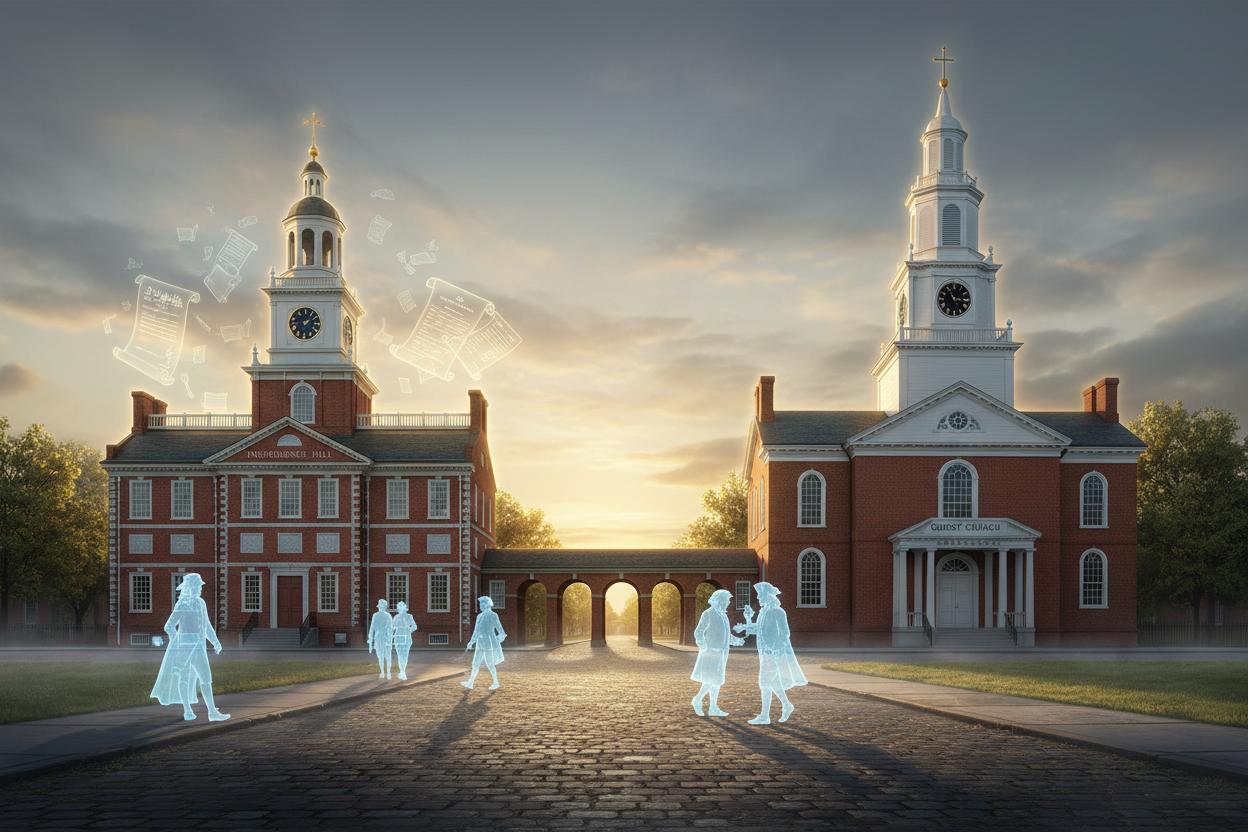
Walking through Old City Philadelphia today, you’ll discover that many of these historic religious sites continue to serve active congregations while also functioning as important cultural landmarks. The Mother Bethel African Methodist Episcopal Church, founded in 1794 by Richard Allen, stands as the birthplace of the African Methodist Episcopal denomination and remains a powerful symbol of African American religious heritage.
Exploring Philadelphia’s Major Religious Communities
Philadelphia’s religious diversity encompasses virtually every major world religion, each contributing unique traditions, architecture, and cultural practices to the city’s spiritual landscape. Understanding these communities provides insight into both their individual characteristics and their collective contribution to Philadelphia’s interfaith harmony.
The Jewish community in Philadelphia traces its roots to the colonial period, with Congregation Mikveh Israel founded in 1740. Today, the city hosts thriving Orthodox, Conservative, Reform, and Reconstructionist Jewish communities. The National Museum of American Jewish History offers an excellent starting point for understanding Jewish contributions to American life, while neighborhoods like Mount Airy and Wynnefield showcase active Jewish community life.
Philadelphia’s Catholic heritage runs deep, reflected in the magnificent Cathedral Basilica of Saints Peter and Paul and numerous parish churches throughout the city. The annual Papal visit sites and the strong Catholic university presence, including Saint Joseph’s University and La Salle University, demonstrate the faith’s ongoing influence on city life.
The Islamic community has grown significantly in recent decades, with the Islamic Cultural Center serving as a focal point for worship, education, and community gathering. The center’s beautiful architecture and welcoming atmosphere make it an excellent place for interfaith dialogue and cultural exchange.
Sacred Spaces Worth Visiting
Philadelphia’s religious architecture tells stories of faith, immigration, and community building that span centuries. Each sacred space offers unique opportunities for reflection, learning, and cultural appreciation.
The Philadelphia Episcopal Cathedral stands as a masterpiece of Gothic Revival architecture, its soaring spires visible from miles away. Regular tours provide insight into both the building’s architectural significance and the Episcopal Church’s role in Philadelphia’s social justice movements.
For those interested in Eastern Orthodox traditions, the Cathedral of Saints Peter and Paul offers stunning iconography and traditional liturgical music. The annual Orthodox festival provides an accessible way to experience Greek Orthodox culture through food, music, and religious art.
The city’s Buddhist communities have created peaceful sanctuaries that welcome visitors seeking meditation instruction or simply quiet contemplation. The Philadelphia Shambhala Center and various Vietnamese Buddhist temples offer different approaches to Buddhist practice and philosophy.
Hindu temples in the greater Philadelphia area, including the magnificent BAPS Shri Swaminarayan Mandir in nearby Robbinsville, showcase intricate traditional architecture and provide opportunities to learn about Hindu philosophy and practices.
Interfaith Events and Programs
Philadelphia’s interfaith community doesn’t just coexist; it actively collaborates through numerous programs, events, and initiatives that bring different religious traditions together in meaningful dialogue and shared service.
The Interfaith Center of Greater Philadelphia serves as a hub for these activities, coordinating everything from clergy exchanges to community service projects that unite people across faith boundaries. Their annual interfaith Thanksgiving service draws hundreds of participants from dozens of religious traditions, creating a powerful symbol of unity and gratitude.
Many universities in Philadelphia host interfaith dialogue series that are open to the public. The University of Pennsylvania’s Penn Museum regularly features exhibitions exploring religious art and artifacts from various traditions, while Temple University’s religion department sponsors lectures and panel discussions on contemporary religious issues.
Seasonal celebrations provide natural opportunities for interfaith engagement. During Ramadan, many mosques open their doors for iftar meals that welcome non-Muslim guests. Jewish communities often invite neighbors to experience Passover seders, while Christian churches host interfaith Christmas concerts that celebrate the season’s universal themes of hope and peace.
Cultural Festivals and Religious Celebrations
Philadelphia’s calendar overflows with religious and cultural festivals that offer immersive experiences in different faith traditions. These events provide authentic opportunities to experience religious diversity through food, music, art, and community celebration.
The annual Diwali celebration transforms parts of the city with lights, music, and traditional Indian cuisine, while the Chinese New Year festivities in Chinatown blend Buddhist and Confucian traditions with contemporary cultural expression. The Greek Orthodox Cathedral’s annual festival brings traditional Greek culture to the streets, complete with authentic food, folk dancing, and religious art displays.
Islamic Heritage Month features events throughout the city that educate the public about Islamic history, art, and contemporary issues. These programs often include mosque tours, calligraphy workshops, and discussions about Islam’s contributions to science, philosophy, and the arts.
The city’s African American churches host numerous cultural events that blend religious tradition with social justice advocacy and cultural celebration. Gospel music festivals, freedom trail tours, and civil rights commemorations provide powerful connections between faith and social action.
Educational Opportunities and Resources
Philadelphia offers numerous formal and informal educational opportunities for those seeking deeper understanding of religious diversity and interfaith relations. These resources cater to various learning styles and levels of prior knowledge.
The Philadelphia area’s colleges and universities provide exceptional resources for religious studies. The University of Pennsylvania’s religious studies program offers public lectures and symposiums, while Villanova University’s interfaith initiatives provide community engagement opportunities.
Local libraries, particularly the Free Library of Philadelphia’s central branch, maintain extensive collections on world religions and offer regular programming on religious topics. Book clubs focusing on interfaith understanding provide intimate settings for discussion and learning.
Many religious institutions offer educational programs specifically designed for interfaith audiences. These might include meditation workshops at Buddhist centers, Torah study sessions open to non-Jews, or Islamic calligraphy classes that explore the artistic dimensions of faith.
Practical Tips for Respectful Religious Exploration
Approaching religious diversity with respect and cultural sensitivity enhances the experience for everyone involved. Understanding basic etiquette and expectations helps ensure that your exploration of Philadelphia’s religious communities is both meaningful and appropriate.
Before visiting any religious site, research basic customs and dress codes. Many places of worship have specific requirements regarding modest clothing, head coverings, or shoe removal. When in doubt, contact the institution directly; most religious communities are happy to provide guidance for respectful visitors.
Timing matters when planning religious site visits. While many welcome tourists during designated hours, worship services are sacred times that require particular sensitivity. Some communities encourage visitors to attend services, while others prefer that tourists visit during non-worship hours.
Photography policies vary significantly among religious institutions. Always ask permission before taking pictures, and be prepared to respect restrictions on photographing sacred objects, religious ceremonies, or worshippers.
Engage with genuine curiosity rather than judgment. Religious exploration offers opportunities to learn about different approaches to life’s fundamental questions, but this requires approaching other traditions with openness and respect for their validity and importance to their practitioners.
Building Meaningful Interfaith Connections
Moving beyond tourist-level engagement to building genuine interfaith relationships requires intentional effort and sustained commitment. Philadelphia’s welcoming religious communities offer numerous pathways for deeper involvement and understanding.
Volunteer opportunities provide natural ways to work alongside people from different faith traditions while contributing to community welfare. Many interfaith organizations coordinate service projects that address homelessness, hunger, and social justice issues, creating bonds through shared action.
Interfaith dialogue groups meet regularly throughout the city, offering structured opportunities to discuss religious questions, share personal faith journeys, and explore common ground across traditions. These groups typically welcome newcomers and provide safe spaces for honest conversation about religious differences and similarities.
Consider attending religious services as an invited guest rather than an anonymous observer. Many congregations have hospitality programs designed to welcome visitors and provide context for worship practices. This personal approach often leads to lasting friendships and deeper understanding.
Philadelphia’s religious diversity represents more than mere coexistence; it embodies the ongoing American experiment in pluralism and mutual respect. By engaging thoughtfully with the city’s interfaith community, visitors and residents alike can discover not only the richness of different religious traditions but also the universal human search for meaning, community, and transcendence that unites us all. Whether you’re seeking spiritual growth, cultural education, or simply a deeper understanding of your neighbors, Philadelphia’s religious landscape offers transformative opportunities for anyone willing to approach with an open heart and mind.