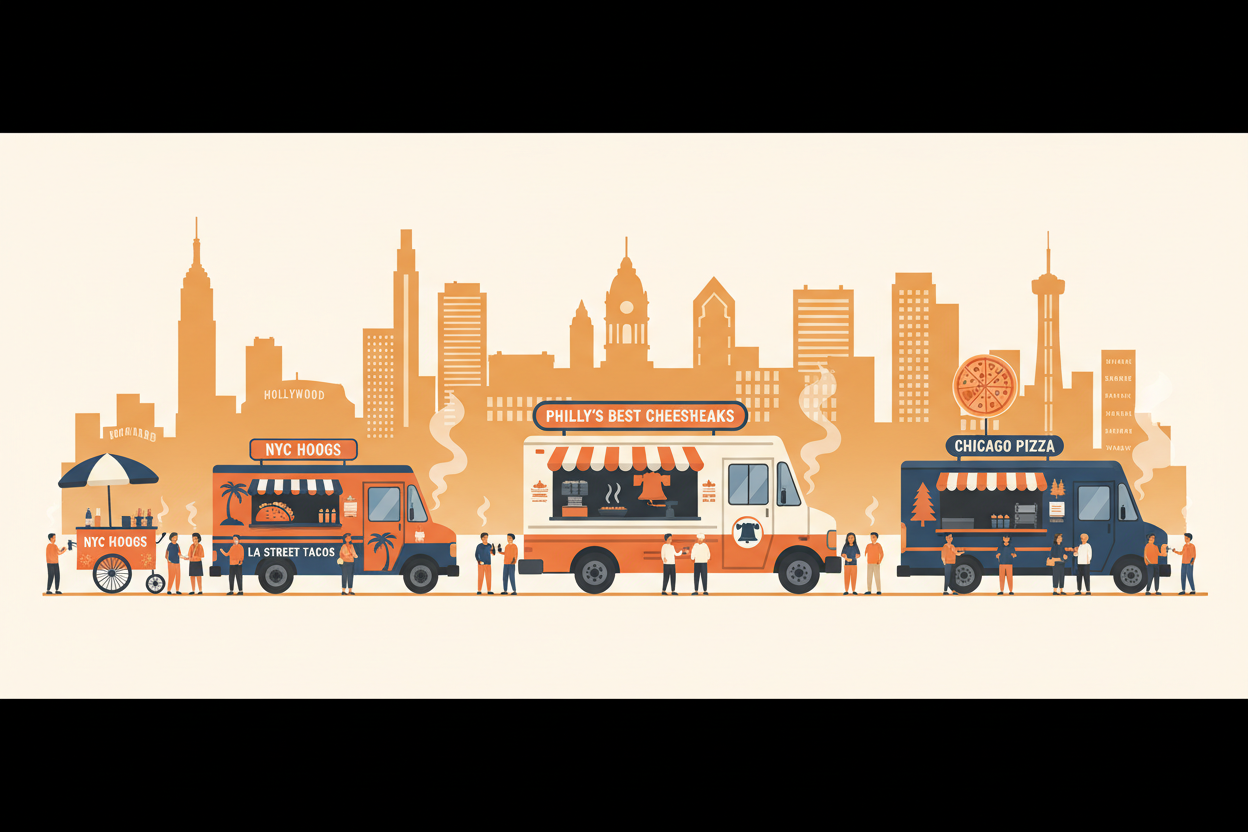
How Philadelphia’s Food Trucks Compare to Other Cities: A Delicious Deep Dive
When you think about America’s greatest food truck scenes, your mind probably wanders to Los Angeles with its Korean BBQ fusion or Portland’s quirky mobile eateries. But let me tell you something – Philadelphia’s food truck culture deserves a spot at the top of that list. Having spent countless lunch breaks exploring the streets of Philly and traveling to food truck festivals across the country, I’ve developed a deep appreciation for what makes each city’s mobile dining scene unique.
Philadelphia’s food truck revolution has quietly been brewing for years, creating a diverse culinary landscape that rivals any major metropolitan area. From the iconic cheesesteak vendors that have been serving locals for decades to innovative fusion concepts that would make Portland food bloggers jealous, the City of Brotherly Love has crafted something truly special on wheels.
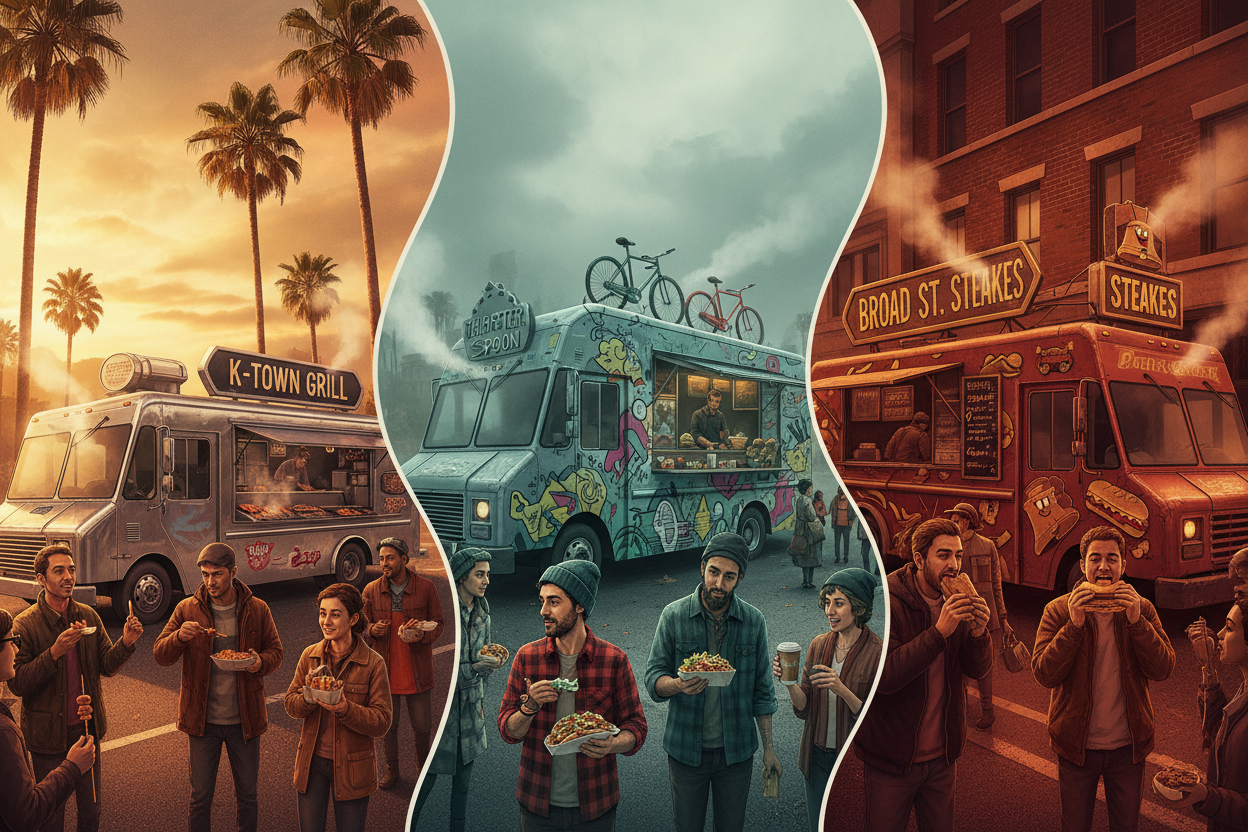
The Philadelphia Food Truck Landscape: More Than Just Cheesesteaks
Let’s start with what most people expect from Philadelphia food trucks – and then blow those expectations out of the water. Yes, you’ll find incredible cheesesteak trucks scattered throughout the city, but that’s just scratching the surface of Philly’s mobile food scene.
The Philadelphia food truck industry has exploded over the past decade, with over 200 licensed food trucks operating throughout the city. These aren’t just your typical hot dog carts either. We’re talking about full-service mobile restaurants serving everything from authentic Mexican street tacos to gourmet grilled cheese that would make any foodie’s Instagram followers drool.
What sets Philadelphia apart is the city’s embrace of both tradition and innovation. You’ll find third-generation family operations serving time-tested recipes alongside millennial entrepreneurs experimenting with plant-based alternatives and fusion cuisines. This blend creates a food truck ecosystem that feels both familiar and exciting.
Los Angeles vs Philadelphia: The West Coast Comparison
Having sampled food trucks from Santa Monica to South Philly, the comparison between LA and Philadelphia reveals fascinating contrasts. Los Angeles undoubtedly wins in terms of sheer volume and Instagram-worthy presentations. The Kogi BBQ phenomenon that started in LA essentially launched the modern food truck movement, and the city continues to push creative boundaries with elaborate Korean-Mexican fusion and other innovative combinations.
However, Philadelphia brings something LA often lacks: authenticity and affordability. While you might pay $15 for a gourmet taco in Venice Beach, Philadelphia food trucks maintain reasonable prices without sacrificing quality. A hearty meal from most Philly food trucks will run you between $8-12, making it accessible to everyone from college students to business professionals.
The regulatory environment also differs significantly. Philadelphia has created a more truck-friendly permitting process compared to LA’s notoriously complex regulations. This has allowed smaller operators to enter the market and experiment with unique concepts without the massive overhead costs that plague LA food truck entrepreneurs.
New York City: The Ultimate Food Truck Showdown
The rivalry between Philadelphia and New York extends far beyond sports – it’s alive and well in the food truck scene. New York City boasts an incredible diversity of food trucks, particularly in Manhattan where you can find authentic halal carts, Korean BBQ, and artisanal everything within a few city blocks.
New York’s advantage lies in its density and foot traffic. The sheer number of potential customers means NYC food trucks can specialize in very specific niches and still find their audience. You’ll discover trucks dedicated exclusively to lobster rolls, artisanal ice cream, or regional specialties from specific countries.
Philadelphia counters with better mobility and community integration. While NYC food trucks often battle for prime corner spots and deal with intense competition, Philadelphia trucks can move more freely throughout the city and have developed stronger relationships with local neighborhoods. Many Philly food trucks have regular stops where locals know exactly when and where to find their favorite mobile meals.
The price point comparison favors Philadelphia significantly. What costs $12 in Philadelphia might run $18-20 in Manhattan, making Philly food trucks more accessible for regular dining rather than just occasional treats.
Portland and Austin: Creativity Capitals
Portland and Austin have earned reputations as food truck innovation hubs, and for good reason. Both cities have embraced the “weird” factor, encouraging experimental cuisines and unconventional approaches to mobile dining. Portland’s food truck pods create permanent communities of mobile vendors, while Austin’s festival culture has integrated food trucks into the city’s identity.
Philadelphia might not match Portland’s quirky creativity or Austin’s festival integration, but it offers something these cities sometimes miss: consistency and substance. While you might find a truck serving cricket flour pancakes in Portland, you’re guaranteed to find satisfying, well-executed comfort food in Philadelphia.
The climate advantage also goes to Philadelphia in this comparison. While Portland food trucks battle rain for much of the year and Austin trucks deal with scorching summer heat, Philadelphia’s more moderate climate allows for year-round operation with seasonal adjustments.
Quality and Authenticity: Philadelphia’s Secret Weapons
What truly sets Philadelphia food trucks apart is their commitment to authenticity and quality ingredients. Many operators come from restaurant backgrounds or represent family recipes passed down through generations. This creates a level of culinary expertise that you don’t always find in other cities where food trucks might be seen as stepping stones to brick-and-mortar restaurants.
The Italian influence in Philadelphia has elevated the overall food truck scene. Vendors understand the importance of quality ingredients, proper preparation techniques, and generous portions. This Italian-American approach to food service has influenced trucks serving all types of cuisine, not just Italian food.
Philadelphia food trucks also benefit from the city’s strong agricultural connections. Pennsylvania’s farming communities provide fresh, local ingredients that many operators incorporate into their menus. This farm-to-truck approach creates seasonal variety and supports local agriculture while keeping costs reasonable.
Innovation and Trends: Keeping Up with the Times
While Philadelphia might not generate as many viral food trends as Los Angeles or New York, the city’s food truck scene has quietly embraced innovation in practical ways. Many trucks now offer online ordering, GPS tracking for customers, and social media integration that rivals any major city.
The plant-based movement has found solid footing among Philadelphia food trucks, with several operators offering impressive vegan alternatives that don’t feel like compromises. This reflects the city’s pragmatic approach to food trends – adopting what works while maintaining focus on flavor and value.
Technology adoption has been particularly strong among Philadelphia food trucks. The city’s tech-savvy population has encouraged operators to embrace mobile payment systems, loyalty apps, and social media marketing more quickly than trucks in some other cities.
The Community Factor: Where Philadelphia Excels
Perhaps Philadelphia’s greatest advantage over other cities is the sense of community surrounding its food truck scene. Operators often collaborate rather than compete, sharing locations and cross-promoting each other’s businesses. This collaborative spirit creates a rising tide that lifts all boats.
The relationship between Philadelphia food trucks and their customers feels more personal than in larger cities. Regular customers know operators by name, trucks adjust their menus based on neighborhood preferences, and there’s genuine care for the community being served.
This community focus extends to local events and festivals. Philadelphia food trucks are integral parts of neighborhood celebrations, sporting events, and cultural festivals in ways that feel organic rather than purely commercial.
Looking Forward: Philadelphia’s Food Truck Future
As cities across America continue developing their food truck scenes, Philadelphia is positioned to maintain its competitive edge through continued focus on quality, affordability, and community integration. The city’s supportive regulatory environment and strong culinary traditions provide a foundation for sustained growth.
The next phase of Philadelphia’s food truck evolution will likely involve increased specialization and premium offerings while maintaining the accessibility that makes the scene special. We’re already seeing trucks experiment with regional American cuisines, international fusion concepts, and elevated comfort food that could compete with any restaurant.
Philadelphia’s food truck scene proves that you don’t need to be the biggest, flashiest, or most Instagram-famous to create something truly special. Sometimes the best food comes from focusing on fundamentals: quality ingredients, fair prices, and genuine care for the people you’re serving. In a world of food truck gimmicks and viral sensations, Philadelphia’s commitment to substance over style makes it a true standout in America’s mobile dining landscape.