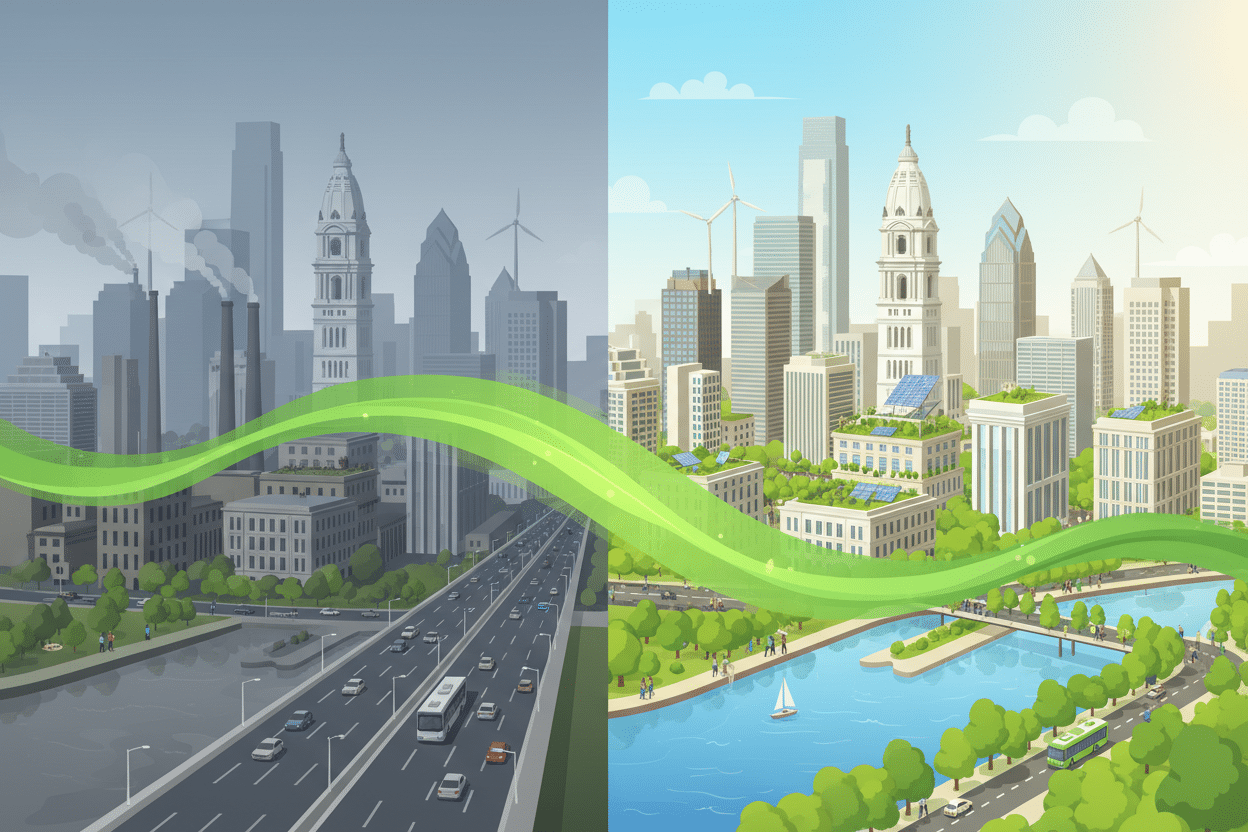
How Philadelphia’s Climate Change Initiatives Are Shaping the City’s Future
The City of Brotherly Love is writing a new chapter in its storied history, one that places environmental sustainability at the forefront of urban planning and community development. Philadelphia’s comprehensive approach to climate change isn’t just about reducing emissions or meeting federal mandates—it’s about fundamentally reimagining what it means to be a resilient, forward-thinking metropolis in the 21st century. From the cobblestone streets of Old City to the rapidly gentrifying neighborhoods of Northern Liberties, climate action is becoming woven into the very fabric of Philadelphia’s identity.
As someone who has watched this transformation unfold over the past decade, I’ve witnessed firsthand how climate initiatives are reshaping everything from housing policies to job creation, transportation networks to community health programs. The changes aren’t happening in isolation—they’re part of an interconnected web of policies and programs that are positioning Philadelphia as a national leader in urban climate resilience.
Philadelphia’s Climate Action Playbook: A Comprehensive Strategy
Philadelphia’s climate strategy isn’t a single document gathering dust on a shelf somewhere in City Hall. It’s a living, breathing framework called “Philly Climate Action” that touches virtually every aspect of city governance and daily life. The plan sets ambitious targets: achieving carbon neutrality by 2050 and reducing greenhouse gas emissions by 80% from 2006 levels.
What makes Philadelphia’s approach particularly compelling is its recognition that climate action must be equitable. The city has made environmental justice a cornerstone of its climate planning, acknowledging that communities of color and low-income neighborhoods have historically borne the brunt of environmental degradation while having the least access to green spaces and clean energy resources.
The strategy encompasses five key areas: clean energy transition, building efficiency, transportation transformation, waste reduction, and climate adaptation. Each area includes specific, measurable goals with timelines that extend through 2030 and beyond. This isn’t just feel-good policy—it’s a roadmap with real accountability mechanisms.
Green Building Revolution: Transforming Philadelphia’s Skyline
Walk through Center City today, and you’ll notice something different about the construction cranes dotting the horizon. They’re building a new generation of structures designed not just for today’s needs, but for tomorrow’s climate realities. Philadelphia’s building energy performance standards, which took effect in 2021, require large commercial and residential buildings to meet increasingly stringent energy efficiency benchmarks.
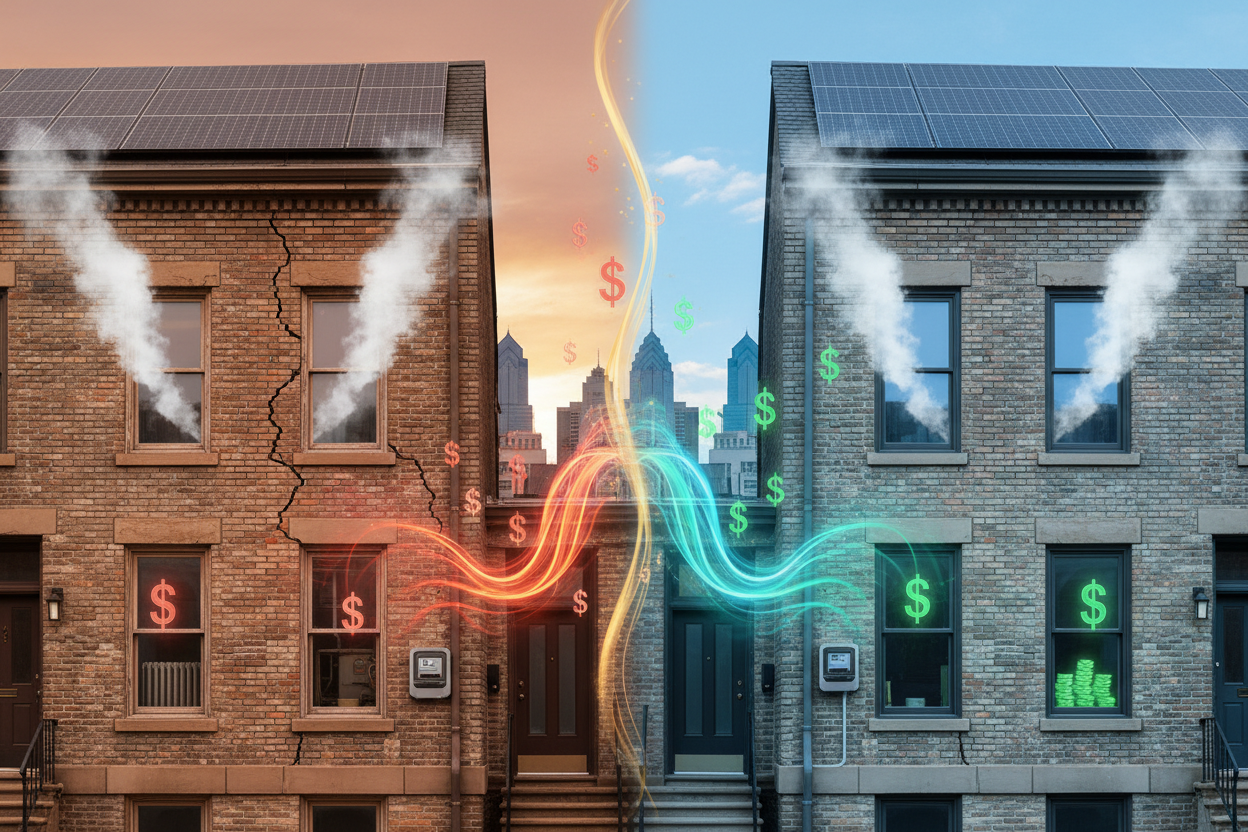
The Philadelphia Energy Authority has been instrumental in this transformation, providing financing and technical assistance for energy retrofits that are making older buildings more efficient while preserving the city’s historic character. I’ve toured several of these retrofit projects, and the results are impressive—buildings that were energy sieves are now models of efficiency, with reduced utility costs that benefit both property owners and tenants.
The city’s commitment to green building extends beyond regulation. The Philadelphia Housing Authority is incorporating climate resilience into its public housing developments, installing solar panels, improving insulation, and designing buildings that can withstand extreme weather events. These aren’t just environmental improvements—they’re economic investments that will pay dividends for decades to come.
Transportation Transformation: Moving Beyond Cars
Philadelphia’s transportation sector accounts for roughly 25% of the city’s greenhouse gas emissions, making it a critical focus area for climate action. The city’s approach to transportation transformation is multifaceted, combining infrastructure investment with policy changes that make sustainable transportation options more accessible and attractive.
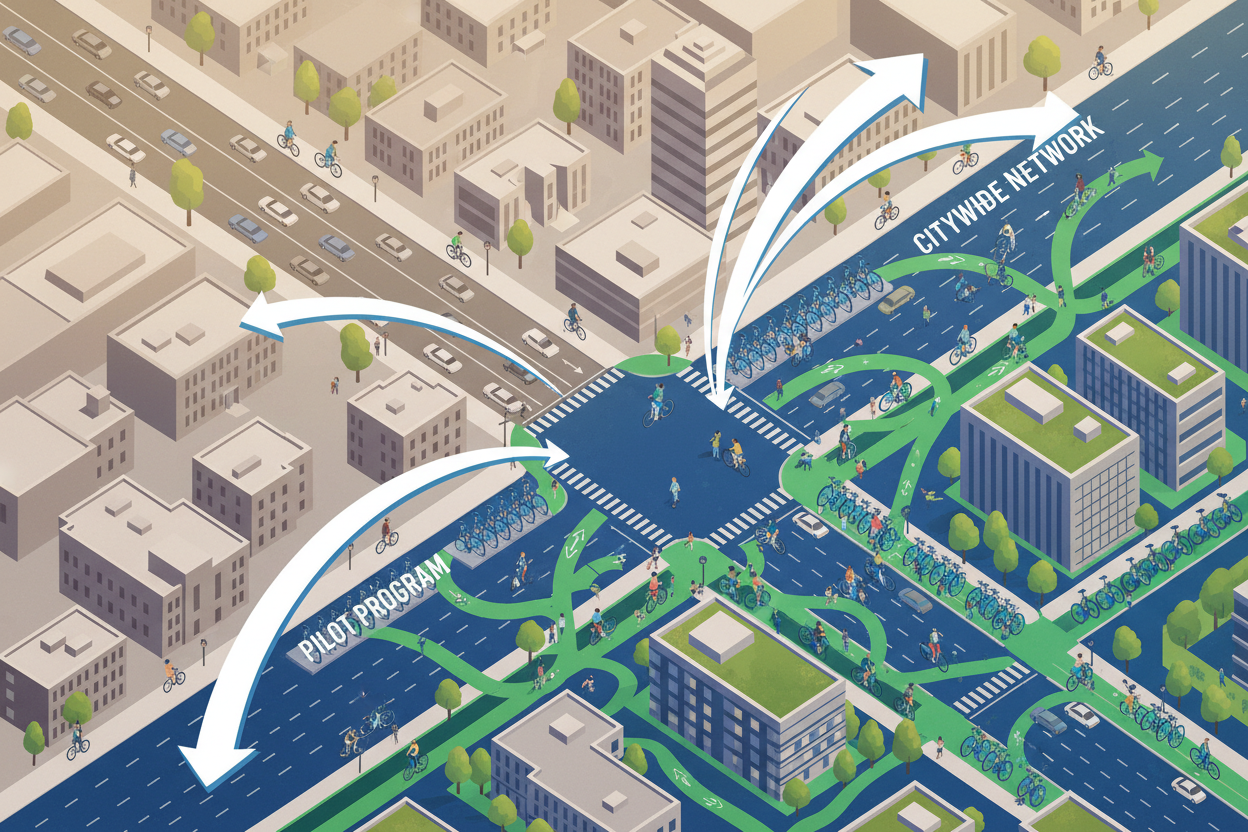
The expansion of the Indego bike share system has been remarkable to witness. What started as a pilot program has grown into a comprehensive network with stations throughout the city, making cycling a viable transportation option for residents who might never have considered it before. The city has also invested heavily in protected bike lanes, creating safer corridors that encourage more people to leave their cars at home.
SEPTA’s fleet electrification efforts are equally significant. The transit authority is gradually replacing diesel buses with electric alternatives, reducing both emissions and air pollution in neighborhoods that have historically been overburdened by transportation-related environmental impacts. The city is also working to improve public transit access in underserved communities, recognizing that climate action must be inclusive to be effective.
Energy Independence Through Renewable Sources
Philadelphia’s pursuit of clean energy independence represents one of the most ambitious aspects of its climate strategy. The city has committed to powering all municipal operations with 100% renewable electricity by 2030, a goal that seemed impossibly ambitious just a few years ago but now appears well within reach.
The Philadelphia Energy Authority’s Solarize Philly program has made solar installation more accessible to homeowners and businesses through group purchasing programs that reduce costs and simplify the installation process. I’ve spoken with homeowners who participated in these programs, and their enthusiasm is infectious—they’re not just saving money on their electricity bills, they’re becoming active participants in the city’s clean energy transition.
Community solar projects are expanding access to renewable energy for residents who can’t install solar panels on their own properties. These shared solar installations allow apartment dwellers, renters, and homeowners with unsuitable roofs to participate in the clean energy economy while reducing their electricity costs.
Climate Resilience and Adaptation Measures
Climate action isn’t just about reducing emissions—it’s also about preparing for the climate changes that are already underway. Philadelphia’s climate adaptation efforts focus on building resilience to extreme heat, flooding, and severe storms, all of which are becoming more frequent and intense due to climate change.
The city’s green infrastructure program is transforming how Philadelphia manages stormwater while creating beautiful, functional spaces that benefit communities. Green streets, rain gardens, and bioswales are becoming common sights in neighborhoods throughout the city, turning what were once concrete landscapes into vibrant, climate-resilient spaces.
Urban heat island reduction is another critical component of the city’s adaptation strategy. Philadelphia is investing in tree planting programs, green roofs, and cool pavement technologies that help reduce temperatures in neighborhoods that have historically lacked adequate tree cover. These investments aren’t just environmental—they’re public health measures that can literally save lives during extreme heat events.
Economic Opportunities in the Green Economy
One of the most encouraging aspects of Philadelphia’s climate initiatives is how they’re creating economic opportunities for residents. The city’s workforce development programs are training people for jobs in the growing clean energy sector, from solar installation to energy auditing to green construction techniques.
The Philadelphia Energy Authority’s workforce development initiatives have trained hundreds of residents for careers in the clean energy economy. These aren’t just jobs—they’re career pathways that provide family-sustaining wages while contributing to the city’s climate goals. I’ve met graduates of these programs who have gone from unemployment to stable, well-paying careers in just a few months.
Local businesses are also benefiting from the city’s climate investments. Philadelphia’s commitment to local procurement for climate-related projects has created opportunities for minority and women-owned businesses to participate in the green economy. This approach ensures that the economic benefits of climate action stay within the community rather than flowing to out-of-state contractors.
Community Engagement and Environmental Justice
Philadelphia’s climate initiatives succeed because they prioritize community engagement and environmental justice. The city has established community advisory groups that ensure residents have a voice in climate planning and implementation. These aren’t token consultation processes—they’re meaningful partnerships that shape how climate programs are designed and delivered.
The focus on environmental justice is particularly important in a city where environmental burdens have historically been concentrated in communities of color and low-income neighborhoods. Philadelphia’s climate programs explicitly prioritize these communities for investment, recognizing that effective climate action must address historical inequities while building a more sustainable future.
Community organizations play a crucial role in this work, serving as bridges between city government and residents. Groups like the Philadelphia Energy Justice Network and the Clean Air Council have been instrumental in ensuring that climate policies reflect community needs and priorities.
Measuring Progress and Future Outlook
Philadelphia’s commitment to transparency and accountability sets it apart from many other cities’ climate efforts. The city publishes regular progress reports that track emissions reductions, program participation rates, and other key metrics. This data-driven approach allows for course corrections when programs aren’t meeting their targets and helps identify successful strategies that can be expanded.
Looking ahead, Philadelphia faces significant challenges in meeting its climate goals. The city will need to accelerate building retrofits, expand renewable energy access, and continue investing in transportation alternatives. However, the foundation that has been built over the past decade provides reason for optimism.
The integration of climate considerations into all aspects of city planning—from zoning decisions to budget allocations—suggests that climate action has become institutionalized rather than dependent on political winds. This systemic approach increases the likelihood that Philadelphia will continue making progress toward its climate goals regardless of changes in political leadership.
Conclusion: A Model for Urban Climate Action
Philadelphia’s climate initiatives represent more than just environmental policy—they’re a comprehensive reimagining of what urban life can look like in the age of climate change. By prioritizing equity, community engagement, and economic opportunity alongside emissions reductions, Philadelphia is demonstrating that climate action can be a powerful force for positive urban transformation.
The city’s approach offers valuable lessons for other municipalities grappling with similar challenges. Climate action works best when it’s integrated across all aspects of city governance, when it prioritizes the communities most affected by both climate change and historical environmental injustices, and when it creates economic opportunities that make the transition to a clean economy beneficial for all residents.
As Philadelphia continues to implement and refine its climate initiatives, the city is positioning itself not just as a leader in urban sustainability, but as a model for how cities can address the climate crisis while building more equitable, resilient, and prosperous communities. The transformation is still underway, but the early results suggest that Philadelphia’s climate future is bright indeed.