The Secret Life of William Penn’s Hat: Quirky Facts About Philadelphia’s Founder
When you think of Philadelphia’s founder William Penn, you might picture a stern-faced Quaker in simple clothing, topped with that iconic wide-brimmed hat. But beneath that unassuming headwear lies a treasure trove of fascinating stories about one of America’s most intriguing colonial figures. Penn’s life was far more colorful and complex than most history books reveal, filled with surprising contradictions, bold experiments, and yes, even some drama involving his famous hat.
From his rebellious youth to his groundbreaking approach to Native American relations, William Penn’s story reads like a historical adventure novel. Let’s dive into the lesser-known aspects of this remarkable man’s life and discover why his legacy extends far beyond founding the City of Brotherly Love.
The Rebellious Quaker Who Wasn’t Always a Quaker
Here’s something that might surprise you: William Penn didn’t start out as the peaceful Quaker we remember today. Born into privilege in 1644, young Penn was actually quite the troublemaker during his university years at Oxford. His father, Admiral Sir William Penn, expected his son to follow a conventional path befitting their social status.
Instead, Penn got himself expelled from Oxford for refusing to attend Anglican services and for participating in religious dissent. This wasn’t just teenage rebellion – it was the beginning of a spiritual journey that would shape American history. His transformation into a devoted Quaker came after attending a sermon by Thomas Loe, which apparently moved him so deeply that he abandoned his aristocratic lifestyle for a simpler path.
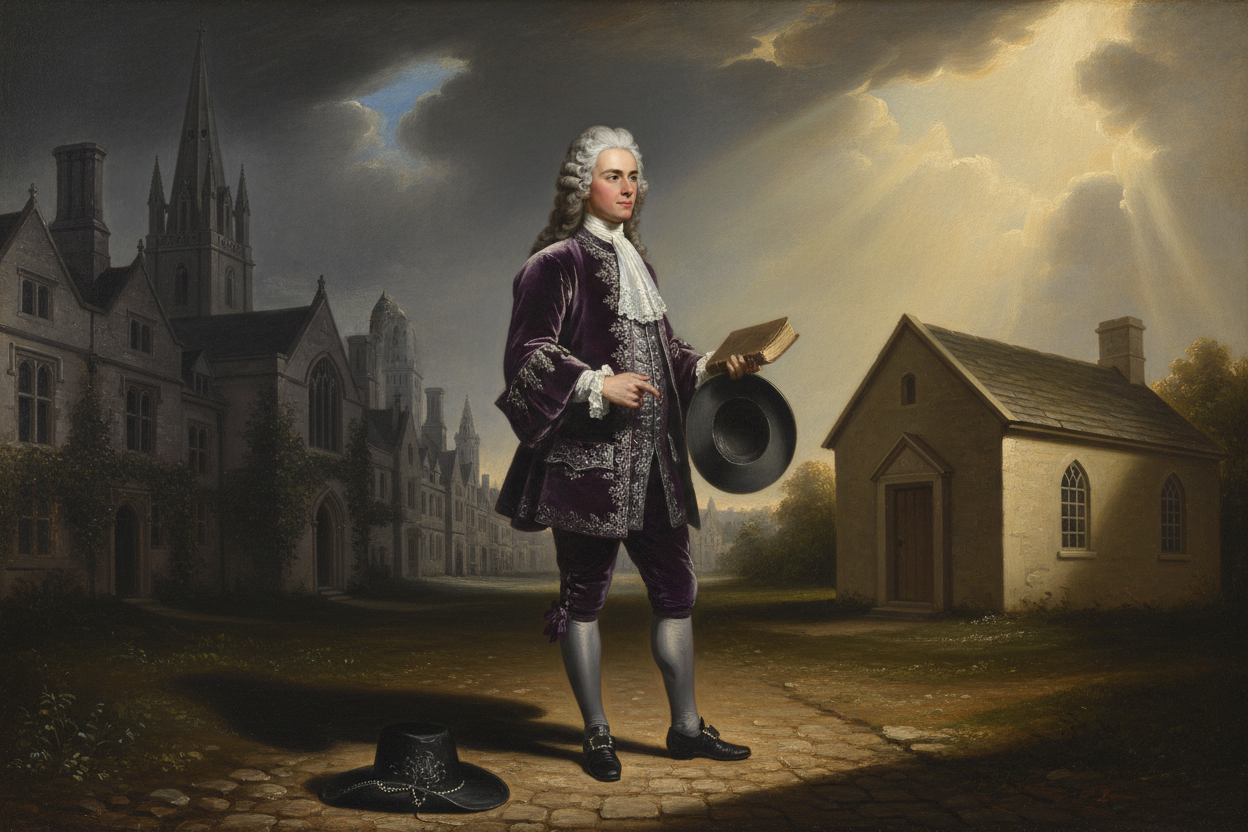
The irony? Penn’s father was initially furious about his son’s religious conversion, even going so far as to kick him out of the house. Little did Admiral Penn know that his son’s Quaker connections would eventually lead to one of the most successful colonial ventures in American history.
The Hat That Started a Revolution in Religious Freedom
Penn’s famous hat wasn’t just a fashion statement – it was a symbol of religious defiance that nearly landed him in serious trouble. Quakers refused to remove their hats in the presence of authority figures, believing that all people were equal before God. This simple act of keeping one’s hat on was considered deeply disrespectful in 17th-century English society.
Penn’s refusal to doff his hat in court became legendary. During one of his many trials for illegal preaching, he kept his hat firmly planted on his head while addressing the judge. When the court officer removed it, Penn calmly put it back on. This seemingly small gesture represented a revolutionary idea: that religious conviction could supersede social convention.
The hat incident became so famous that it inspired countless Quakers to stand firm in their beliefs, even when facing persecution. Penn’s headwear had inadvertently become a symbol of religious freedom that would later influence the First Amendment to the U.S. Constitution.
Penn’s Prison Writings That Changed History
William Penn spent considerable time behind bars for his religious beliefs – and he made the most of it. During his imprisonment in the Tower of London in 1668, Penn wrote “No Cross, No Crown,” one of the most influential Quaker texts ever penned. The irony wasn’t lost on him that he was writing about spiritual freedom while physically confined.
But here’s where it gets interesting: Penn’s time in prison wasn’t entirely unproductive in worldly terms either. He used his connections and legal knowledge to help fellow Quakers, essentially running an early version of a legal aid society from his cell. His letters from prison reveal a sharp wit and an unshakeable optimism that would serve him well in his future colonial endeavors.
These prison experiences taught Penn valuable lessons about governance and justice that he would later implement in Pennsylvania. His firsthand knowledge of religious persecution made him determined to create a colony where such injustices couldn’t occur.
The Debt That Built a Colony
Pennsylvania’s origin story reads like something out of a financial thriller. Penn didn’t set out to become a colonial proprietor – he essentially fell into it because King Charles II owed his father money. When Admiral Penn died in 1670, he left behind a massive debt from the Crown totaling £16,000, an astronomical sum for the time.
Rather than demanding cash, Penn proposed something unprecedented: he asked for land in America to settle the debt. The king, probably thinking he was getting rid of both a debt and a troublesome Quaker, agreed. In 1681, Penn received a charter for what would become Pennsylvania – literally “Penn’s Woods,” though Penn himself was reportedly embarrassed by having the colony named after his family.
This financial arrangement had unexpected consequences. Because Penn essentially “bought” Pennsylvania rather than receiving it as a royal grant, he had more autonomy than other colonial proprietors. This freedom allowed him to implement his radical ideas about religious tolerance and fair governance without as much royal interference.
The Great Treaty Under the Elm Tree
One of Penn’s most famous achievements was his peaceful relationship with Native American tribes, symbolized by the legendary treaty signed under an elm tree in what is now Philadelphia. But the real story is more complex and fascinating than the romanticized version often told.
Penn actually spoke some of the local Native languages, having studied them before arriving in America. This wasn’t common among European colonists, who typically relied on interpreters. His linguistic efforts demonstrated a level of respect that Native leaders found refreshing and trustworthy.
The famous elm tree treaty might be partly mythical – historians debate whether it actually happened as described. However, Penn’s documented agreements with Native tribes were revolutionary for their fairness and mutual respect. He insisted on paying for land rather than simply claiming it, and he honored his agreements even when it cost him financially.
Interestingly, Penn’s peaceful approach wasn’t just morally motivated – it was also practical. He understood that hostile relations with Native tribes would make his colony unsustainable. His diplomatic success contributed significantly to Pennsylvania’s rapid growth and prosperity.
The City Planner’s Revolutionary Grid
Before there was urban planning as a profession, there was William Penn sketching out Philadelphia’s street grid. His design for the city was revolutionary – literally. Instead of the winding, organic street patterns common in European cities, Penn envisioned a rational grid system with wide streets and public squares.
Penn’s city plan included features that were centuries ahead of their time. He designated specific areas for parks and public spaces, understanding that city dwellers needed access to nature. His plan for Philadelphia influenced urban design across America, from Manhattan’s grid system to cities throughout the Midwest.
The street names Penn chose reveal his personality and priorities. He named the main east-west streets after trees (Chestnut, Walnut, Pine) and the north-south streets with numbers, creating a logical system that visitors could easily navigate. This practical approach reflected Penn’s Quaker values of simplicity and functionality.
Penn’s Financial Struggles and Personal Tragedies
Despite founding one of America’s most successful colonies, Penn himself struggled financially throughout his life. His generous land policies and fair treatment of settlers, while morally admirable, weren’t always profitable. Penn often sold land at below-market rates and was frequently cheated by dishonest agents managing his affairs in America while he was in England.
Personal tragedy also marked Penn’s life. He lost his first wife, Gulielma, in 1694, and several of his children died young. His second marriage to Hannah Callowhill brought happiness but also financial strain, as Penn tried to provide for a large blended family while managing his colonial investments.
Perhaps most heartbreaking was Penn’s relationship with his son William Jr., who became an alcoholic and squandered much of the family fortune. The elder Penn’s letters reveal a man torn between paternal love and deep disappointment, struggling to balance family loyalty with financial responsibility.
The Legacy of Penn’s “Holy Experiment”
Penn called Pennsylvania his “holy experiment,” and the results exceeded even his ambitious expectations. The colony became a beacon of religious tolerance in a world torn by religious warfare. Quakers, Catholics, Jews, and various Protestant denominations lived and worked together peacefully – something virtually unheard of in the 17th century.
This religious freedom attracted immigrants from across Europe, making Pennsylvania one of the fastest-growing and most prosperous colonies. The economic success of Penn’s tolerant policies provided a practical argument for religious freedom that influenced the founding fathers when they drafted the Constitution.
Penn’s influence extended beyond religious matters. His ideas about fair trials, humane treatment of criminals, and democratic governance were incorporated into Pennsylvania’s laws and later influenced American jurisprudence. The colony’s Frame of Government, which Penn wrote, served as a model for other colonial charters and constitutional documents.
Conclusion: The Man Behind the Hat
William Penn’s story reminds us that history’s great figures were complex, flawed human beings who faced real challenges and made difficult choices. His famous hat represented more than Quaker fashion – it symbolized the courage to stand up for one’s beliefs even when facing powerful opposition.
Penn’s legacy lives on not just in Philadelphia’s street grid or Pennsylvania’s history, but in the fundamental American principles of religious freedom, fair governance, and peaceful coexistence. His “holy experiment” proved that diverse groups of people could live together harmoniously when guided by principles of tolerance and mutual respect.
The next time you see that iconic image of William Penn atop Philadelphia’s City Hall, remember that beneath that simple hat was one of history’s most innovative minds – a man who turned personal conviction into social revolution and transformed a royal debt into a foundation for American democracy. His story proves that sometimes the most powerful changes begin with the simplest acts of conscience, even something as small as refusing to remove one’s hat.