Philadelphia’s Most Beautiful Library Branches You Need to Visit
Philadelphia’s library system is a treasure trove of architectural beauty, literary history, and community spirit. While many visitors flock to the city’s famous museums and historic landmarks, the Free Library of Philadelphia’s network of branches offers an equally stunning collection of spaces that combine functional design with breathtaking aesthetics. From grand Carnegie libraries built in the early 1900s to modern architectural marvels, these library branches represent some of the most beautiful and culturally significant buildings in the City of Brotherly Love.
Whether you’re a book lover, architecture enthusiast, or simply someone who appreciates beautiful spaces, Philadelphia’s library branches offer a unique glimpse into the city’s rich cultural heritage. Each location tells its own story through distinctive design elements, historical significance, and the communities they serve. Let’s explore the most stunning library branches that deserve a spot on every Philadelphian’s must-visit list.
The Parkway Central Library: A Beaux-Arts Masterpiece
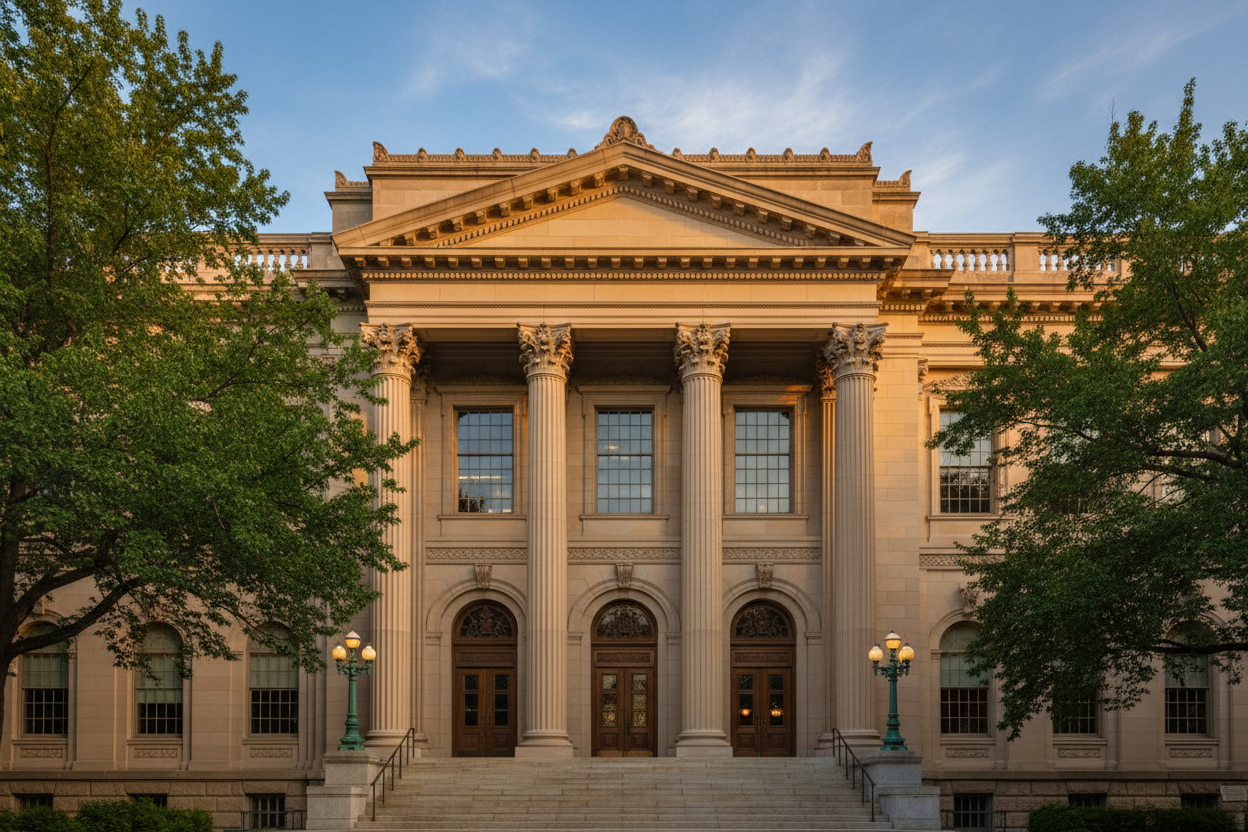
Standing majestically on the Benjamin Franklin Parkway, the Parkway Central Library serves as the crown jewel of Philadelphia’s library system. This Beaux-Arts masterpiece, completed in 1927, commands attention with its limestone facade and impressive bronze doors that welcome visitors into a world of literary wonder.
The moment you step inside, you’re greeted by the breathtaking Pepper Hall, featuring soaring ceilings, marble columns, and intricate architectural details that rival any museum. The building’s design incorporates elements that pay homage to Philadelphia’s role in American history, with reading rooms that feel more like grand salons than typical library spaces.
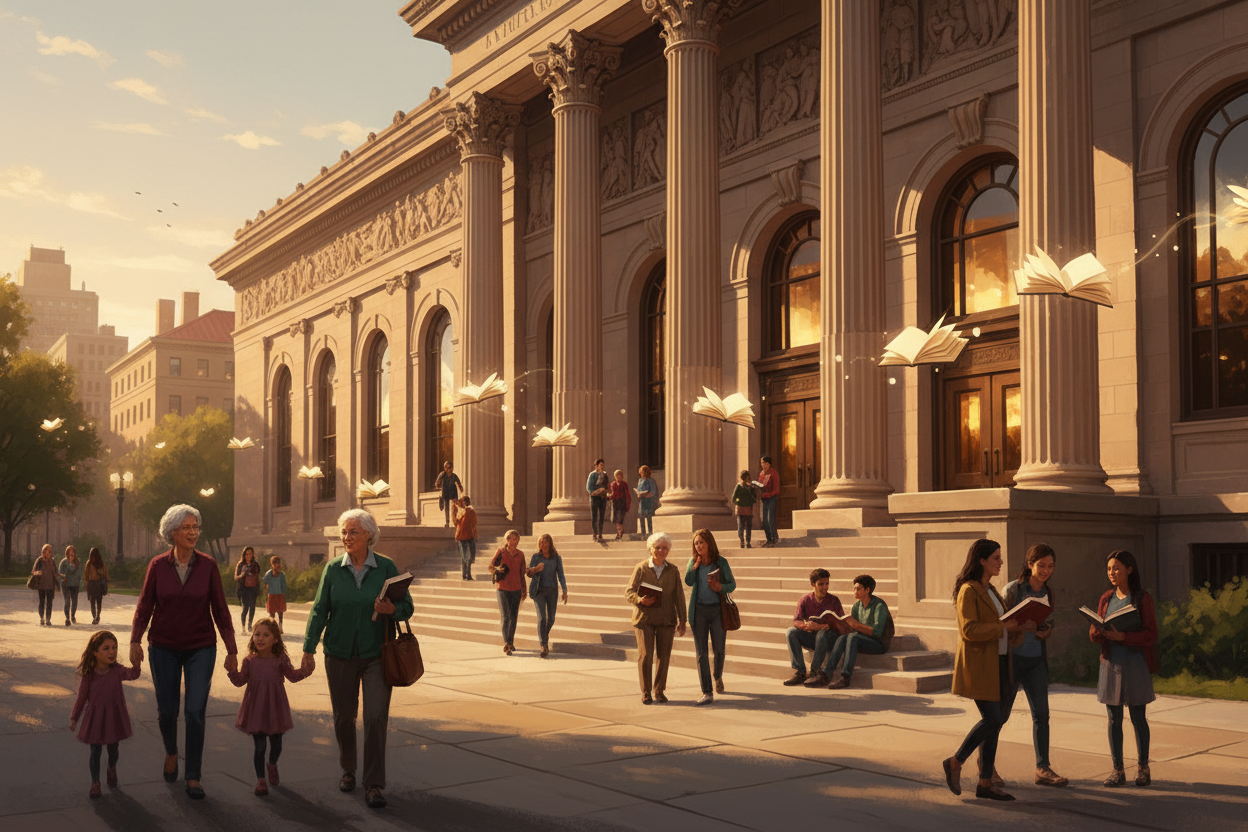
What makes this library particularly special is its rare book collection and the stunning Rosenbach Museum integration, which houses manuscripts from literary giants like James Joyce and Maurice Sendak. The children’s section, redesigned in recent years, maintains the building’s classical elegance while creating an inviting space for young readers.
Chestnut Hill Library: Victorian Charm in Northwest Philadelphia
Nestled in one of Philadelphia’s most picturesque neighborhoods, the Chestnut Hill Library embodies the Victorian charm that defines this historic area. Built in 1895, this Carnegie library features distinctive Richardsonian Romanesque architecture with its signature stone construction and arched windows that flood the interior with natural light.
The library’s intimate scale creates a cozy atmosphere that feels more like visiting a well-appointed private library than a public institution. Original hardwood floors creak pleasantly underfoot, and the high ceilings adorned with period details transport visitors back to an era when libraries were considered temples of learning.
The surrounding neighborhood enhances the library’s appeal, with tree-lined streets and historic homes creating a perfect backdrop for an afternoon of reading and exploration. The library frequently hosts community events that take advantage of its beautiful interior spaces, from author readings to art exhibitions that complement the building’s inherent charm.
Cobbs Creek Library: Modern Architecture Meets Community Purpose
The Cobbs Creek Library represents Philadelphia’s commitment to bringing beautiful, functional library spaces to every neighborhood. This relatively new branch, opened in 2016, showcases contemporary architecture at its finest, with clean lines, expansive windows, and sustainable design elements that make it a standout addition to West Philadelphia’s landscape.
The building’s design prioritizes natural light and open spaces, creating an airy atmosphere that encourages both quiet study and community interaction. Floor-to-ceiling windows offer views of the surrounding neighborhood while filling the interior with warm, natural illumination throughout the day.
What sets Cobbs Creek apart is how the modern design incorporates community input and cultural sensitivity. The library serves as more than just a repository for books; it’s a community center that reflects the diverse population it serves through thoughtful programming spaces and flexible areas that can accommodate everything from children’s story time to adult education classes.
Germantown Library: A Testament to Adaptive Reuse
The Germantown Library tells a fascinating story of architectural preservation and adaptive reuse. Originally built as a bank in the early 20th century, this building was transformed into a library while maintaining its distinctive classical features, including impressive columns and detailed stonework that speak to the craftsmanship of a bygone era.
The conversion process preserved the building’s most striking architectural elements while creating functional library spaces that serve the historic Germantown community. High ceilings and generous proportions give the interior a sense of grandeur that elevates the everyday act of browsing books into something more ceremonial.
The library’s location in the heart of historic Germantown adds another layer of significance to its beauty. Surrounded by colonial-era buildings and sites significant to American history, the library serves as a bridge between past and present, offering modern services within a structure that honors the neighborhood’s rich heritage.
Fishtown Community Library: Industrial Chic Meets Literary Culture
The Fishtown Community Library exemplifies how Philadelphia’s library system has evolved to meet changing neighborhood demographics while maintaining architectural integrity. This branch combines industrial design elements with warm, inviting spaces that reflect the artistic community that has made Fishtown one of Philadelphia’s most vibrant neighborhoods.
Exposed brick walls and high ceilings create an atmosphere that feels both historic and contemporary, while carefully chosen furnishings and lighting create intimate reading nooks throughout the space. The design acknowledges the neighborhood’s industrial past while embracing its current identity as a hub for artists and young professionals.
Large windows provide excellent natural light and offer glimpses of the neighborhood’s ongoing transformation. The library serves as a gathering place for the community, with programming spaces that host everything from poetry readings to maker workshops, making it a true reflection of Fishtown’s creative spirit.
Wynnefield Library: Mid-Century Modern Excellence
The Wynnefield Library stands as an excellent example of mid-century modern architecture applied to public library design. Built in the 1960s, this branch features clean geometric lines, extensive use of glass, and innovative spatial arrangements that were revolutionary for their time and remain striking today.
The building’s design emphasizes horizontal lines and integration with the surrounding landscape, creating a sense of harmony between the built environment and natural world. Interior spaces flow seamlessly into one another, with carefully planned sight lines that make the library feel larger and more open than its actual footprint might suggest.
Period-appropriate furnishings and fixtures have been maintained and updated thoughtfully, preserving the building’s architectural integrity while ensuring it meets contemporary accessibility and technology needs. The result is a library that serves as both a functional community resource and a well-preserved example of Philadelphia’s mid-century architectural heritage.
Queen Memorial Library: Gothic Revival Grandeur
Located in the Kensington neighborhood, the Queen Memorial Library showcases Gothic Revival architecture that makes it one of the most visually striking buildings in the area. Built in the early 1900s with funding from Andrew Carnegie, this library features pointed arch windows, decorative stonework, and a tower that serves as a neighborhood landmark.
The interior maintains much of its original character, with wooden reading tables, period light fixtures, and stained glass windows that cast colorful patterns across reading areas throughout the day. The building’s vertical emphasis and detailed craftsmanship create an atmosphere of reverence that enhances the library experience.
Despite serving a neighborhood that has faced economic challenges, the Queen Memorial Library remains a beacon of hope and beauty. Community investment in maintaining and programming the space has ensured that this architectural gem continues to serve residents while preserving an important piece of Philadelphia’s library heritage.
Planning Your Library Architecture Tour
Visiting Philadelphia’s most beautiful library branches can be an rewarding way to explore different neighborhoods while appreciating the city’s architectural diversity. Each branch offers unique insights into both library design evolution and the communities they serve, making them valuable stops for anyone interested in urban planning, architecture, or local history.
Consider planning your visits around library programming to experience these spaces as they were intended to be used. Many branches offer tours or special events that highlight their architectural features and historical significance. The Free Library of Philadelphia’s website provides current information about hours, events, and any temporary closures that might affect your visit.
Transportation between branches is relatively easy using Philadelphia’s public transit system, and many are located near other attractions that can extend your architectural exploration. Each neighborhood offers its own character and additional sites of interest, making library visits part of a broader urban adventure.
Conclusion: Celebrating Philadelphia’s Library Legacy
Philadelphia’s library branches represent far more than simple repositories for books and digital resources. They stand as monuments to the city’s commitment to public education, architectural excellence, and community building. From the grand Beaux-Arts splendor of the Parkway Central Library to the intimate Victorian charm of Chestnut Hill, each branch offers visitors a unique perspective on how beautiful design can enhance the fundamental human activity of learning and reading.
These libraries serve as democratic spaces where architectural beauty is accessible to all, regardless of economic status or background. They remind us that public institutions can and should be inspiring, that functional buildings can also be beautiful, and that communities deserve spaces that reflect their dignity and aspirations.
Whether you’re a longtime Philadelphia resident or a visitor exploring the city, taking time to appreciate these architectural treasures will deepen your understanding of Philadelphia’s character and values. In an age of digital everything, these beautiful library branches stand as enduring testaments to the power of physical spaces to inspire, educate, and bring communities together. Make time to visit these remarkable buildings – your appreciation for both literature and architecture will be richly rewarded.