How Philadelphia’s Food Scene Reflects Its Immigrant Communities
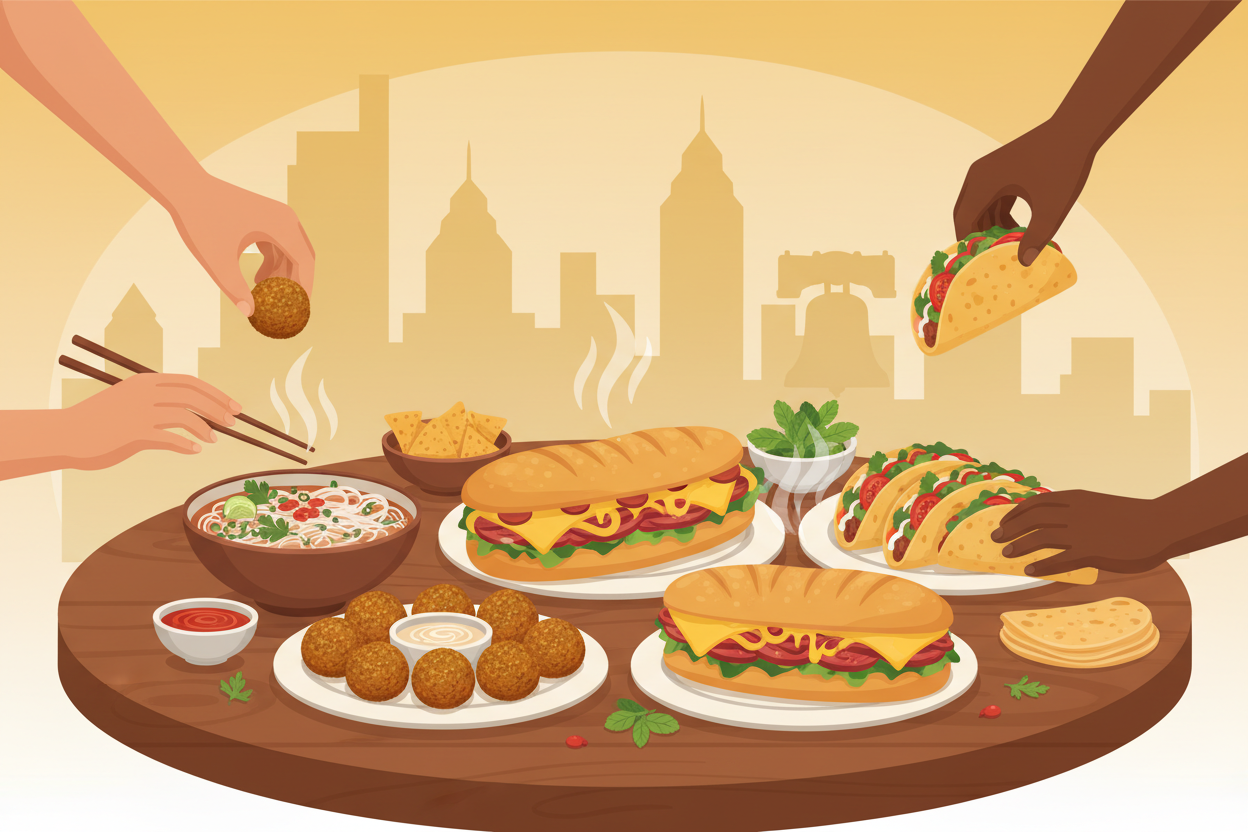
Philadelphia’s culinary landscape tells a story that goes far beyond cheesesteaks and hoagies. While these iconic dishes certainly have their place, the city’s true gastronomic identity emerges from the rich tapestry of immigrant communities that have called Philadelphia home for generations. From the bustling markets of South Philadelphia to the vibrant neighborhoods of Fishtown and Northern Liberties, each bite reveals a chapter in the city’s ongoing immigration story.
The City of Brotherly Love has always been a gateway for newcomers seeking opportunity and community. Today, this multicultural heritage creates one of America’s most diverse and authentic food scenes, where traditional recipes passed down through generations meet innovative fusion concepts that reflect the modern immigrant experience.
The Foundation: Early European Immigration and Philadelphia’s Culinary Roots
Philadelphia’s food story begins with its earliest European settlers, but it was the massive waves of immigration in the late 19th and early 20th centuries that truly shaped the city’s culinary DNA. Italian immigrants flooding into South Philadelphia brought with them the techniques and traditions that would eventually give birth to the city’s legendary sandwich culture.
The Italian Market on 9th Street stands as a living testament to this heritage. Here, fourth-generation Italian-American families still operate shops their great-grandparents established, selling everything from imported olive oils to house-made mozzarella. Villa di Roma, established in 1964, continues to serve authentic Italian-American comfort food that reflects the adaptation process many immigrant families experienced – maintaining core traditions while embracing local ingredients and tastes.
Similarly, the city’s substantial Irish population left an indelible mark on Philadelphia’s pub culture and hearty comfort food traditions. German immigrants introduced the city to beer-making traditions and sausage-making techniques that influenced everything from local brewery culture to the development of the hoagie itself.
The Jewish Quarter: Preserving Tradition Through Food
Philadelphia’s Jewish community, particularly concentrated in areas like Northern Liberties and later spreading throughout the city, brought culinary traditions that have become integral to the Philadelphia food experience. The city’s bagel culture, deli traditions, and Jewish bakeries created a foundation of comfort foods that transcended religious boundaries.
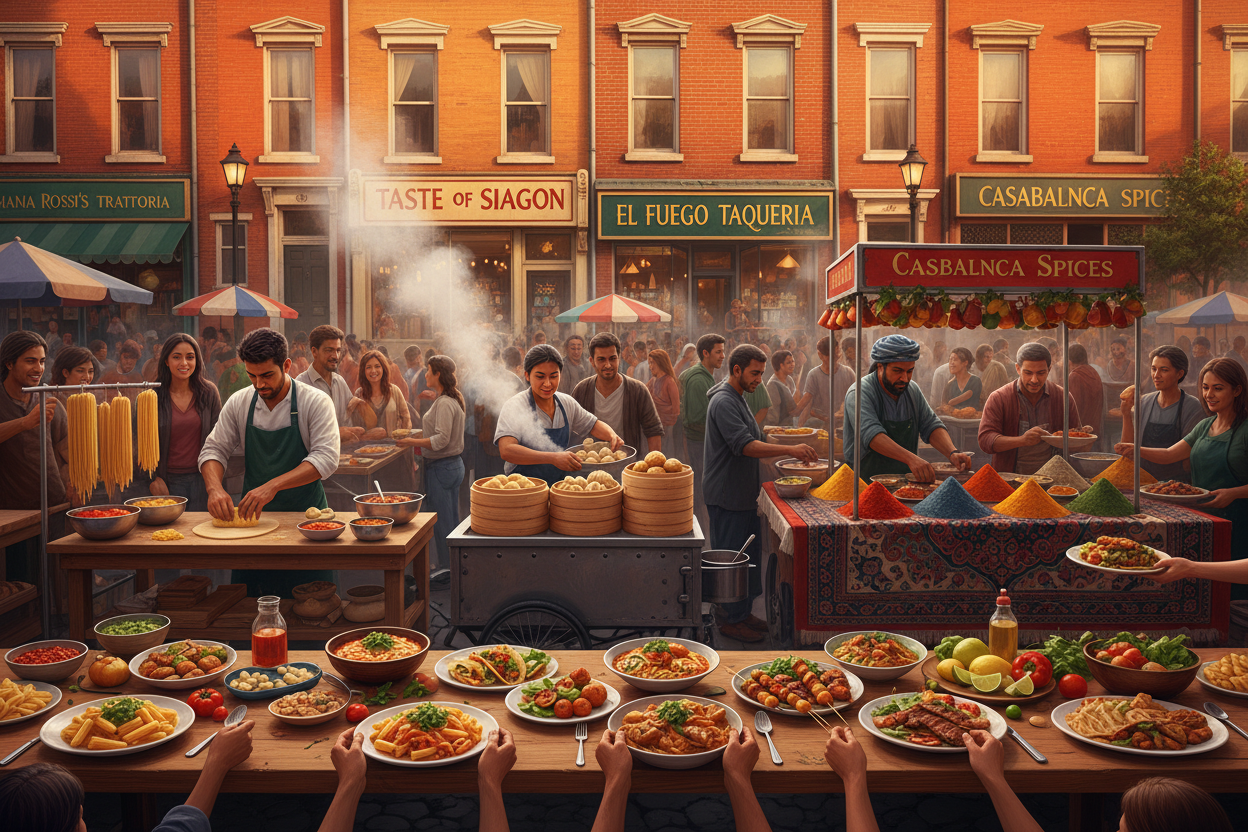
Establishments like Hymie’s Merion Delicatessen have been serving authentic Jewish cuisine for decades, maintaining traditional preparation methods for everything from hand-sliced lox to house-made knishes. These restaurants serve not just food, but cultural memory – preserving recipes and techniques that connect Philadelphia’s Jewish community to their Eastern European roots.
The influence extends beyond traditional Jewish establishments. Many of Philadelphia’s most celebrated restaurants incorporate Jewish culinary techniques and ingredients, from the use of schmear and pickled vegetables to the emphasis on bread-making that characterizes so much of the city’s food culture.
Asian Immigration: From Chinatown to Modern Fusion
Philadelphia’s Chinatown, established in the 1960s, represents one of the most visible examples of how immigrant communities maintain cultural identity through food while adapting to their new environment. The neighborhood serves as both a cultural center for the Chinese-American community and a destination for food lovers seeking authentic regional Chinese cuisine.
Restaurants like Nan Zhou Hand Drawn Noodle House demonstrate the commitment to traditional techniques – their noodles are still made by hand using methods passed down through generations. Meanwhile, establishments like K&A Restaurant showcase how Chinese-American cuisine evolved to incorporate local tastes and ingredients while maintaining core flavor profiles and cooking techniques.
The more recent arrival of Vietnamese, Thai, and Korean immigrants has added new layers to Philadelphia’s Asian food scene. These communities have established vibrant restaurant districts, particularly along Washington Avenue, where authentic pho joints sit alongside Korean barbecue restaurants and Thai curry houses that serve dishes virtually unchanged from their homeland recipes.
Latin American Flavors: The New Wave of Immigration
Perhaps no immigrant community has transformed Philadelphia’s contemporary food scene more dramatically than its growing Latin American population. Mexican, Guatemalan, Salvadoran, and Puerto Rican communities have established themselves throughout the city, bringing with them culinary traditions that have quickly become integral to Philadelphia’s food identity.
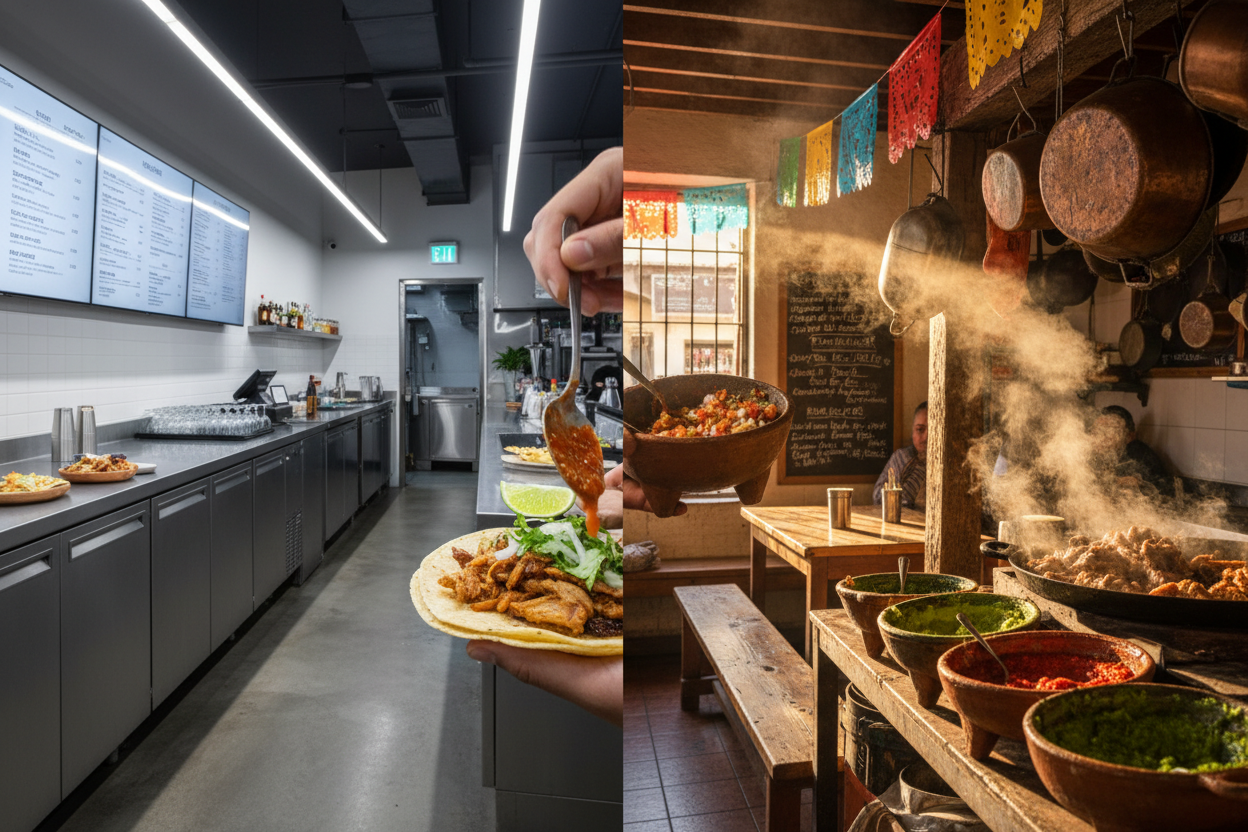
The explosion of authentic taquerias throughout the city tells this story beautifully. Places like Lolita and El Vez may cater to mainstream audiences, but neighborhood spots like Taqueria La Veracruzana serve food that directly reflects the regional Mexican traditions of their owners and clientele. Here, you’ll find tacos filled with authentic preparations like carnitas cooked in traditional copper pots and salsas made from recipes that have been family secrets for generations.
The Puerto Rican community, with deep historical ties to Philadelphia, has contributed significantly to the city’s comfort food culture. From alcapurrias sold from food trucks to full-service restaurants serving traditional mofongo, these establishments maintain strong connections to island traditions while adapting to Philadelphia’s urban environment.
Middle Eastern and African Communities: Expanding Philadelphia’s Palate
More recent immigration from Middle Eastern and African countries has introduced Philadelphia to entirely new flavor profiles and cooking techniques. The growing Somali community has established restaurants and markets that serve traditional dishes like anjero and suqaar, often adapting recipes to incorporate locally available ingredients.
Lebanese and Syrian immigrants have opened restaurants throughout the city that serve everything from traditional kibbeh to modern interpretations of Middle Eastern street food. These establishments often become community gathering places, serving not just food but maintaining cultural connections for immigrant families while introducing Philadelphia natives to new cuisines.
Ethiopian restaurants like Dahlak and Zion have gained popularity among both Ethiopian immigrants and adventurous Philadelphia food lovers, serving traditional injera-based meals that reflect authentic preparation methods while adapting to local dining preferences and dietary restrictions.
Food Markets: Where Cultures Converge
Philadelphia’s food markets serve as perhaps the most authentic representation of the city’s immigrant food culture. Reading Terminal Market, while touristy in some sections, still houses vendors representing multiple immigrant communities. Here, Amish families sell traditional Pennsylvania Dutch specialties alongside Vietnamese sandwich shops and Mexican spice vendors.
The Italian Market remains the most concentrated example of how immigrant food culture evolves while maintaining authenticity. Third and fourth-generation Italian-American families operate shops that have adapted to serve not just their own community but the broader Philadelphia population, while still maintaining the quality and techniques that made them neighborhood institutions.
Smaller neighborhood markets throughout the city tell similar stories. Asian grocery stores in South Philadelphia serve as cultural centers for multiple Asian immigrant communities, offering ingredients and prepared foods that allow families to maintain traditional diets while living in urban America.
Modern Fusion: The Next Generation’s Interpretation
Today’s Philadelphia food scene increasingly reflects the experiences of second and third-generation immigrants who grew up navigating multiple cultural identities. Chefs like Jose Garces have built restaurant empires that celebrate Latin American traditions while incorporating techniques and ingredients from their Philadelphia upbringing.
This fusion approach appears throughout the city, from Korean-Mexican fusion trucks to Italian-Vietnamese sandwich shops that reflect the multicultural neighborhoods where young immigrants grew up. These restaurants represent not just culinary innovation but cultural evolution – showing how immigrant communities adapt and blend while maintaining connections to their heritage.
Food trucks have become particularly important venues for this cultural expression. Lower overhead costs allow immigrant entrepreneurs to start businesses serving authentic food from their home countries while experimenting with fusion approaches that reflect their American experiences.
Preserving Culture Through Food in Modern Philadelphia
For many immigrant families, restaurants and food businesses serve purposes far beyond commercial success. They become cultural preservation projects, ensuring that traditional recipes, techniques, and food customs survive the transition to American life and pass to future generations.
Community organizations throughout Philadelphia work with immigrant-owned restaurants and food businesses to document traditional recipes and techniques, recognizing that these establishments serve as informal cultural centers for their communities. Programs that support immigrant food entrepreneurs also recognize the broader cultural value these businesses provide.
The COVID-19 pandemic highlighted the importance of these community food establishments. Many immigrant-owned restaurants pivoted to serving their own communities during lockdowns, providing not just familiar food but cultural comfort during a particularly challenging period.
Conclusion: A Living Culinary Museum
Philadelphia’s food scene functions as a living museum of American immigration, where each restaurant, food truck, and market stall tells part of the ongoing story of people seeking new opportunities while maintaining connections to their cultural heritage. From the century-old Italian establishments of South Philadelphia to the newest Somali restaurants in North Philadelphia, the city’s culinary landscape reflects the dreams, struggles, and triumphs of immigrant communities.
This diversity creates more than just dining options – it builds cultural understanding and community connections. When Philadelphia natives try authentic Ethiopian food or when recent immigrants discover the joy of a proper hoagie, food becomes a bridge between communities and generations.
As Philadelphia continues to welcome new immigrant communities, its food scene will undoubtedly continue evolving. The next chapter might feature Bangladeshi curry houses, Ukrainian bakeries, or fusion concepts we can’t yet imagine. What remains constant is food’s power to preserve culture, build community, and tell the ongoing story of what it means to be both an immigrant and a Philadelphian.
The city’s greatest culinary achievement isn’t any single dish or restaurant – it’s the creation of a food culture that celebrates authenticity while embracing innovation, honors tradition while welcoming change, and proves that the best American food comes from the beautiful complexity of our immigrant heritage.