The Ultimate Guide to Philadelphia’s Vintage Movie Theaters and Cinema History
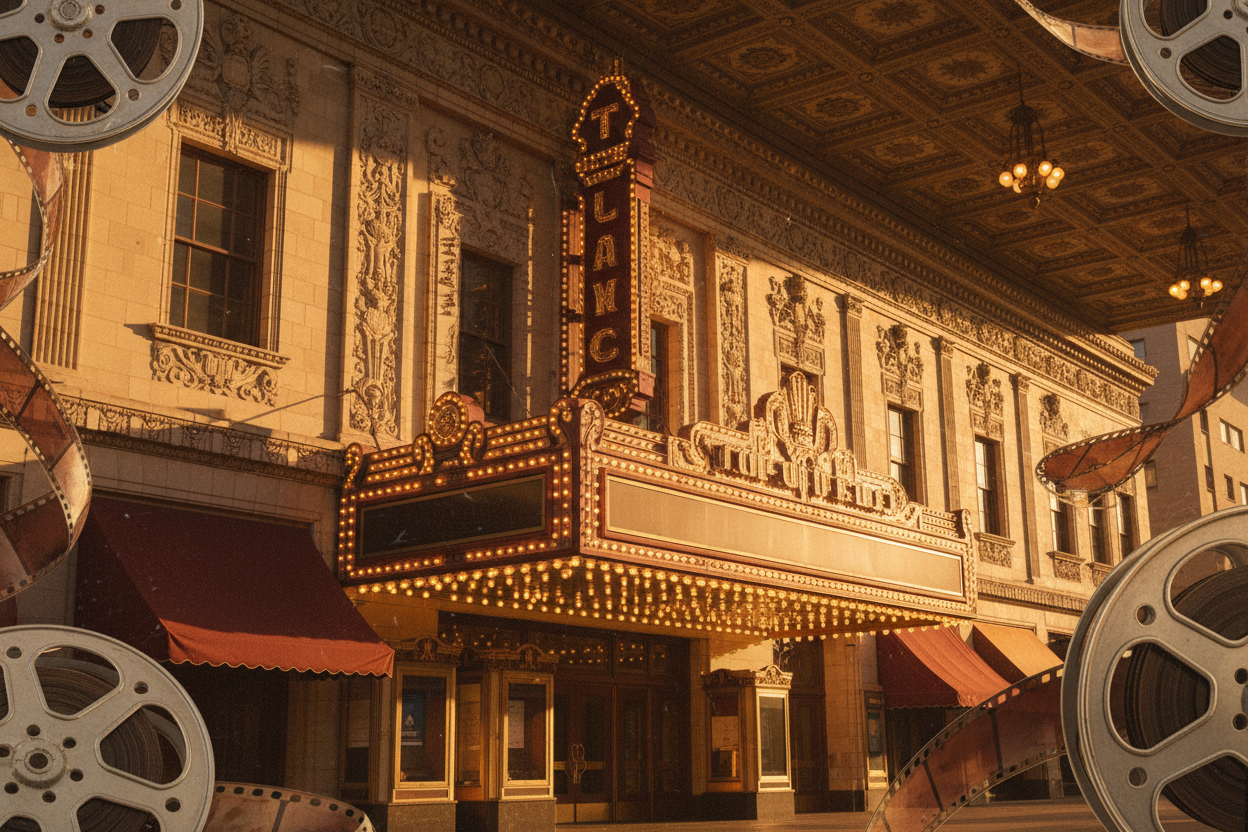
Philadelphia’s relationship with cinema runs deeper than most people realize. While the city might not be Hollywood, it boasts a rich theatrical heritage that spans over a century, with vintage movie theaters that have witnessed everything from silent films to the golden age of cinema. These architectural gems tell stories not just through the films they’ve screened, but through their ornate facades, plush interiors, and the countless memories they’ve housed.
From grand movie palaces that once hosted premieres to intimate neighborhood theaters that served as community gathering spaces, Philadelphia’s cinema landscape offers a fascinating glimpse into America’s entertainment evolution. Whether you’re a film buff, architecture enthusiast, or history lover, exploring these vintage venues provides an unforgettable journey through time.
The Golden Age of Philadelphia Cinema: A Historical Overview
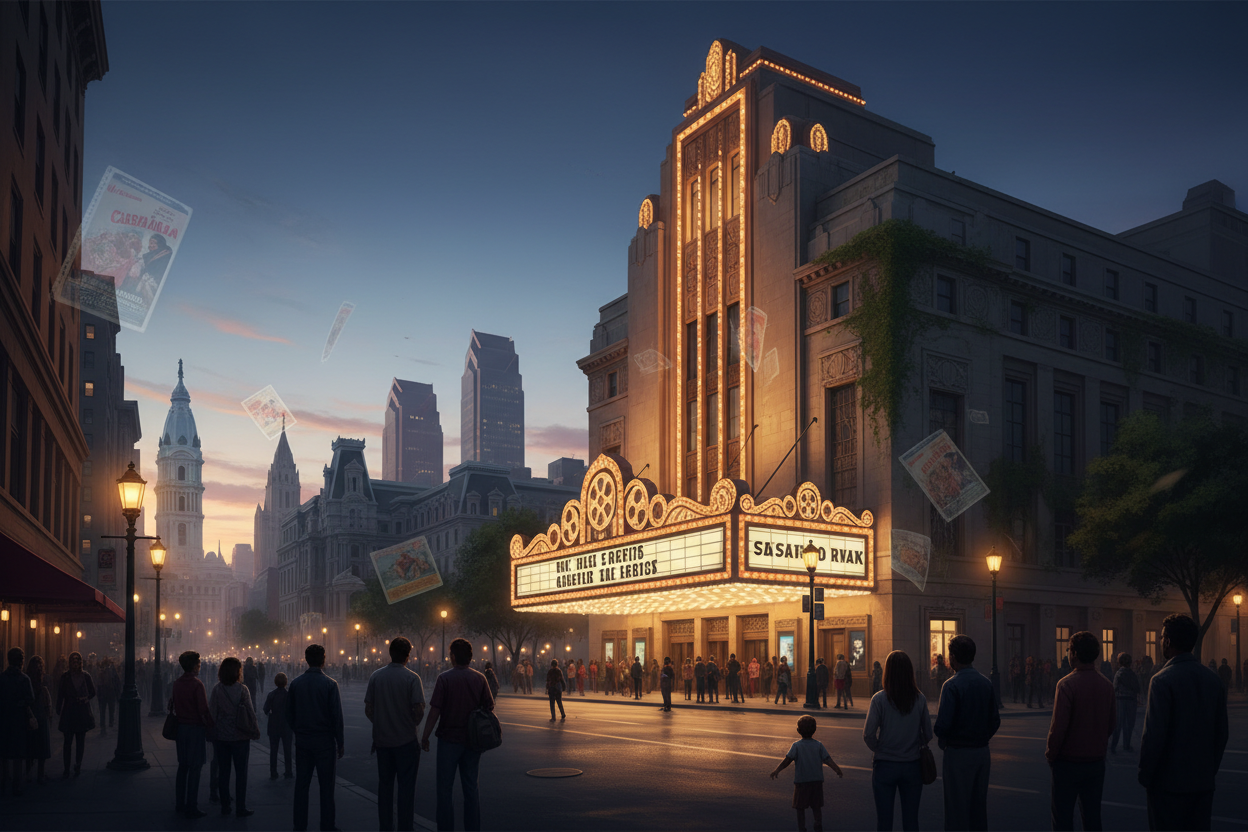
Philadelphia’s cinema story begins in the early 1900s when the city emerged as a significant player in the American film industry. The Lubin Manufacturing Company, founded by Siegmund Lubin in 1896, made Philadelphia one of the earliest film production centers in the United States. This local film industry created a demand for exhibition spaces, leading to the construction of numerous theaters throughout the city.
The 1920s marked the golden era of movie palace construction in Philadelphia. During this period, theater owners competed to create the most luxurious and spectacular venues possible. These weren’t just places to watch movies; they were entertainment destinations that offered escape from daily life through their elaborate architecture, live orchestras, and vaudeville acts that preceded film screenings.
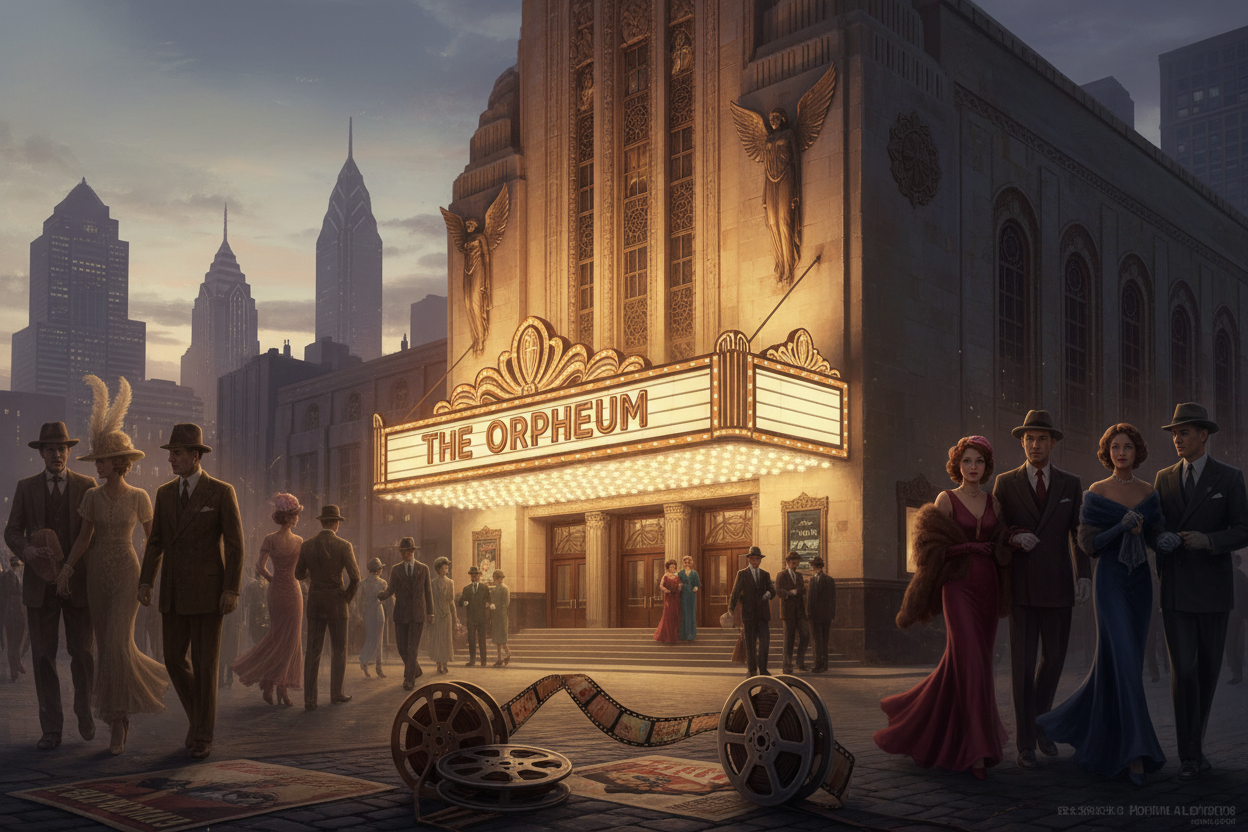
The introduction of “talkies” in the late 1920s revolutionized the industry, and Philadelphia’s theaters adapted quickly. Many venues installed new sound systems and redesigned their interiors to accommodate the changing technology. This period saw the peak of theater attendance, with some venues screening films around the clock to meet demand.
Iconic Vintage Movie Theaters Still Operating Today
The Majestic Theater: South Philadelphia’s Crown Jewel
Built in 1918, the Majestic Theater stands as one of South Philadelphia’s most enduring cultural landmarks. Originally designed as a vaudeville house, this 1,800-seat venue seamlessly transitioned into cinema during the 1930s. The theater’s Baroque Revival architecture features intricate plasterwork, hand-painted murals, and a stunning domed ceiling that continues to captivate visitors today.
What makes the Majestic particularly special is its community connection. For decades, it served as the neighborhood’s primary entertainment venue, screening everything from Hollywood blockbusters to foreign films. Local families would dress up for Saturday matinees, making moviegoing a special occasion that brought the community together.
Today, the Majestic operates as a mixed-use venue, hosting both film screenings and live performances. Recent restoration efforts have preserved its original character while updating technical capabilities, ensuring this vintage gem remains relevant for contemporary audiences.
The Hiway Theater: A Drive-In Era Survivor
While not technically a traditional theater, the Hiway Theater in Jenkintown represents an important chapter in Philadelphia’s cinema history. Opened in 1949, this drive-in theater captured the post-war optimism and car culture that defined mid-century America. At its peak, the Hiway could accommodate over 1,000 cars, making it one of the largest drive-in theaters in the region.
The drive-in experience offered something unique: families could enjoy movies together in the comfort of their own cars, complete with individual speakers and concession stand visits during intermissions. The Hiway became particularly popular for double features, often screening the latest Hollywood releases alongside B-movies and horror films.
Though the drive-in industry declined significantly in the 1980s, the Hiway Theater has survived through community support and creative programming. It now operates seasonally, offering a nostalgic experience that attracts both longtime fans and curious newcomers eager to experience this vintage form of entertainment.
Lost Palaces: Remembering Philadelphia’s Demolished Theater Gems
The Stanley Theater: Broad Street’s Former Glory
The Stanley Theater, which operated from 1928 to 1970, represented the pinnacle of movie palace grandeur in Philadelphia. Located on South Broad Street, this 4,000-seat venue featured a Louis XIV-inspired interior complete with crystal chandeliers, velvet curtains, and gold leaf detailing throughout.
The Stanley wasn’t just a movie theater; it was an entertainment complex that included a ballroom, restaurant, and retail spaces. Major Hollywood studios used the Stanley for premieres, and many famous performers graced its stage during the era when theaters combined live entertainment with film screenings.
Unfortunately, changing entertainment preferences and urban decay led to the Stanley’s demolition in 1970. Its loss marked the end of an era and sparked early preservation efforts that would eventually save other historic theaters throughout the city. The site now houses modern developments, but old-timers still speak fondly of the Stanley’s glory days.
The Earle Theater: Jazz Age Elegance Lost
The Earle Theater, demolished in 1961, was another casualty of mid-century urban renewal. Built in 1924, the Earle was known for its Art Deco design and its role in Philadelphia’s jazz scene. The theater regularly featured live performances by legendary musicians like Duke Ellington, Louis Armstrong, and Billie Holiday alongside film screenings.
What made the Earle unique was its integrated programming approach. Rather than simply showing movies, the theater created themed evenings that combined films with live music, creating a more immersive entertainment experience. This model influenced other theaters throughout the city and helped establish Philadelphia as an important stop on the national entertainment circuit.
Architectural Marvels: The Art of Theater Design
Philadelphia’s vintage movie theaters showcase an incredible variety of architectural styles, each reflecting the design trends and cultural values of their construction era. The 1920s theaters embraced elaborate decorative schemes inspired by European palaces, Egyptian temples, and exotic fantasies that transported audiences to different worlds.
Theater architects like Thomas Lamb and John Eberson created immersive environments that began the entertainment experience before the films even started. Atmospheric theaters featured painted ceilings that resembled night skies complete with twinkling stars, while others recreated ornate palace interiors with detailed moldings and luxurious materials.
The attention to detail in these vintage theaters is remarkable. Hand-painted murals, custom-designed carpeting, elaborate lighting fixtures, and carefully crafted acoustics all contributed to creating spaces that felt magical and special. These design elements helped justify the theater experience as something worth leaving home for, especially as radio and later television began competing for audiences.
The Community Impact of Neighborhood Theaters
Beyond the grand movie palaces, Philadelphia’s neighborhood theaters played crucial roles in community life throughout the 20th century. These smaller venues, typically seating between 500 and 1,200 people, served as social hubs where neighbors gathered regularly to share entertainment experiences.
Neighborhood theaters often reflected the ethnic composition of their surrounding areas. Some specialized in foreign language films, while others hosted community events, fundraisers, and local talent shows. These venues provided affordable entertainment during the Great Depression and served as morale boosters during World War II by screening news reels and patriotic films.
The decline of neighborhood theaters in the 1960s and 1970s marked a significant change in community dynamics. As suburban multiplexes drew audiences away from city centers, many of these intimate venues closed permanently, leaving gaps in the social fabric of their neighborhoods that are still felt today.
Preservation Efforts and Modern Revival
The preservation of Philadelphia’s vintage movie theaters has become increasingly important as communities recognize their cultural and historical value. Organizations like the Philadelphia Historical Commission and various neighborhood groups have worked tirelessly to save threatened theaters and restore those that survive.
Modern preservation efforts focus not just on maintaining architectural integrity but also on finding sustainable uses for these large spaces. Some theaters have been converted into performing arts venues, while others now serve as event spaces or mixed-use developments that incorporate retail and residential components.
The challenge of preservation lies in balancing historical accuracy with modern functionality. Installing contemporary sound and projection systems while maintaining period aesthetics requires careful planning and significant investment. However, successful restoration projects have demonstrated that these efforts can revitalize entire neighborhoods while preserving important cultural landmarks.
Experiencing Vintage Cinema Culture Today
For those interested in experiencing Philadelphia’s vintage cinema culture, several opportunities exist throughout the city. The Philadelphia Film Society regularly hosts screenings in historic venues, often pairing classic films with live musical accompaniment or educational presentations about cinema history.
Architecture tours frequently include stops at significant theater buildings, both operating and repurposed. These tours provide insights into the design principles and cultural contexts that shaped these remarkable spaces. Many former theaters that now serve other purposes still retain their original facades and some interior elements that hint at their glamorous past.
Film festivals and special events occasionally take place in restored vintage venues, offering audiences the chance to experience movies in their intended settings. These events help maintain the connection between Philadelphia’s cinema past and its contemporary film culture, ensuring that new generations can appreciate the artistry and craftsmanship of these historic theaters.
Conclusion
Philadelphia’s vintage movie theaters represent more than just entertainment venues; they embody the dreams, aspirations, and community spirit of different eras in American history. From the elaborate movie palaces of the 1920s to the neighborhood theaters that served as community gathering spaces, these buildings tell the story of how cinema became woven into the fabric of urban life.
While many of these architectural treasures have been lost to time and urban development, those that survive continue to inspire and educate. They remind us of an era when going to the movies was a special occasion, when theaters were designed to transport audiences to magical realms, and when cinema served as a shared cultural experience that brought communities together.
As Philadelphia continues to evolve, the preservation and celebration of its cinema heritage becomes increasingly important. These vintage theaters serve as tangible links to the past while offering inspiration for creating meaningful entertainment experiences in the future. Whether you’re exploring surviving venues or learning about lost landmarks, Philadelphia’s cinema history provides a fascinating window into the golden age of American entertainment and the enduring power of the movies to bring people together.