How to Experience Philadelphia’s Jazz Age: Prohibition Era Hotspots
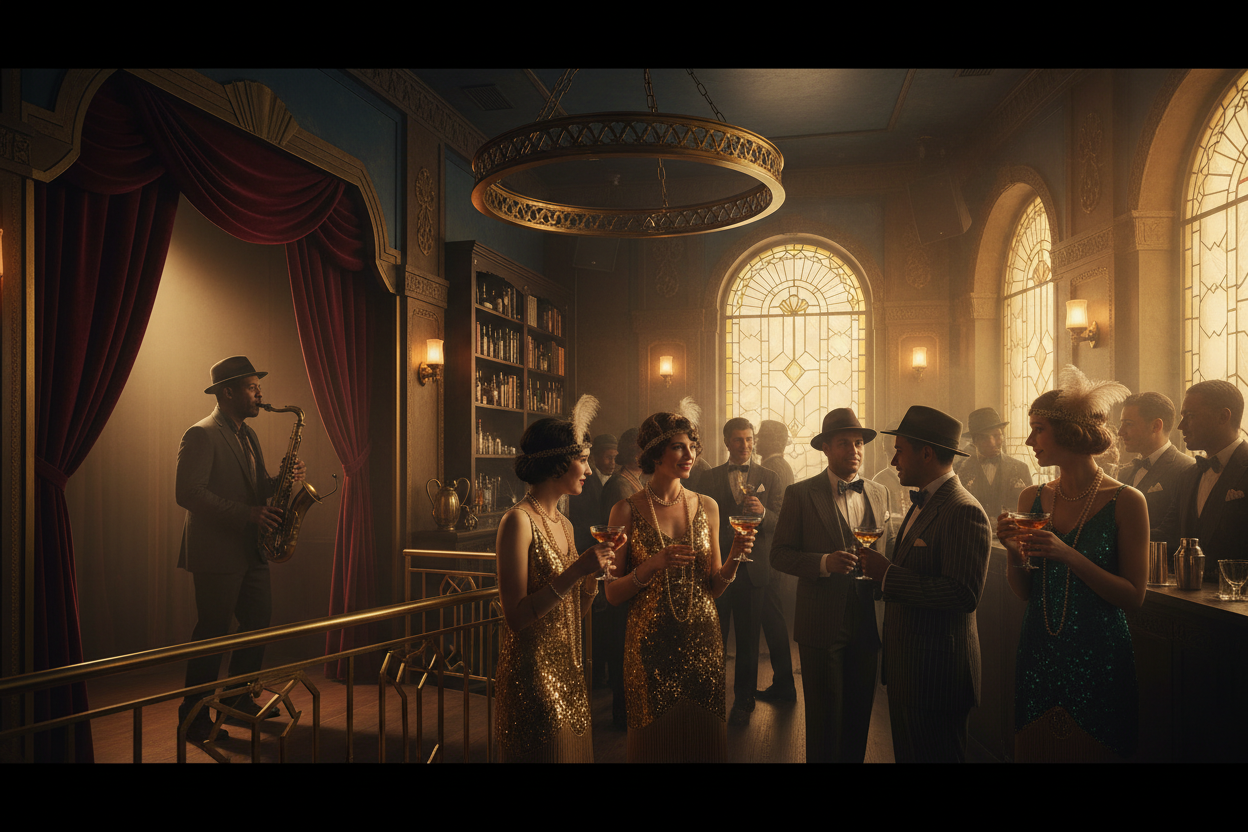
Step into the smoky shadows of Philadelphia’s roaring past, where jazz music flowed as freely as the bootleg liquor that defined an era. The City of Brotherly Love wasn’t just a bystander during Prohibition – it was a major player in the underground scene that made the 1920s legendary. From hidden speakeasies tucked beneath unassuming storefronts to grand hotels that served as fronts for elaborate cocktail operations, Philadelphia’s Jazz Age legacy lives on in ways that might surprise you.
Whether you’re a history buff, jazz enthusiast, or simply someone who appreciates a well-crafted cocktail with a story behind it, Philadelphia offers an authentic glimpse into America’s most rebellious decade. The city’s unique position as a major East Coast hub made it a natural hotspot for bootleggers, musicians, and socialites who refused to let the 18th Amendment dampen their spirits.
The Historical Context: Philadelphia During Prohibition
When the Volstead Act took effect in 1920, Philadelphia transformed overnight. What had been a city of legitimate saloons and music halls became a maze of underground establishments where the party never stopped. The city’s strategic location between New York and Washington D.C., combined with its bustling port, made it an ideal distribution center for illegal alcohol.
Local law enforcement often turned a blind eye to the thriving speakeasy scene, especially when influential politicians and businessmen were among the clientele. This created a perfect storm for Philadelphia’s Jazz Age culture to flourish. Musicians from New Orleans, Chicago, and New York flocked to the city, bringing with them the infectious rhythms that would soundtrack a generation’s rebellion against authority.
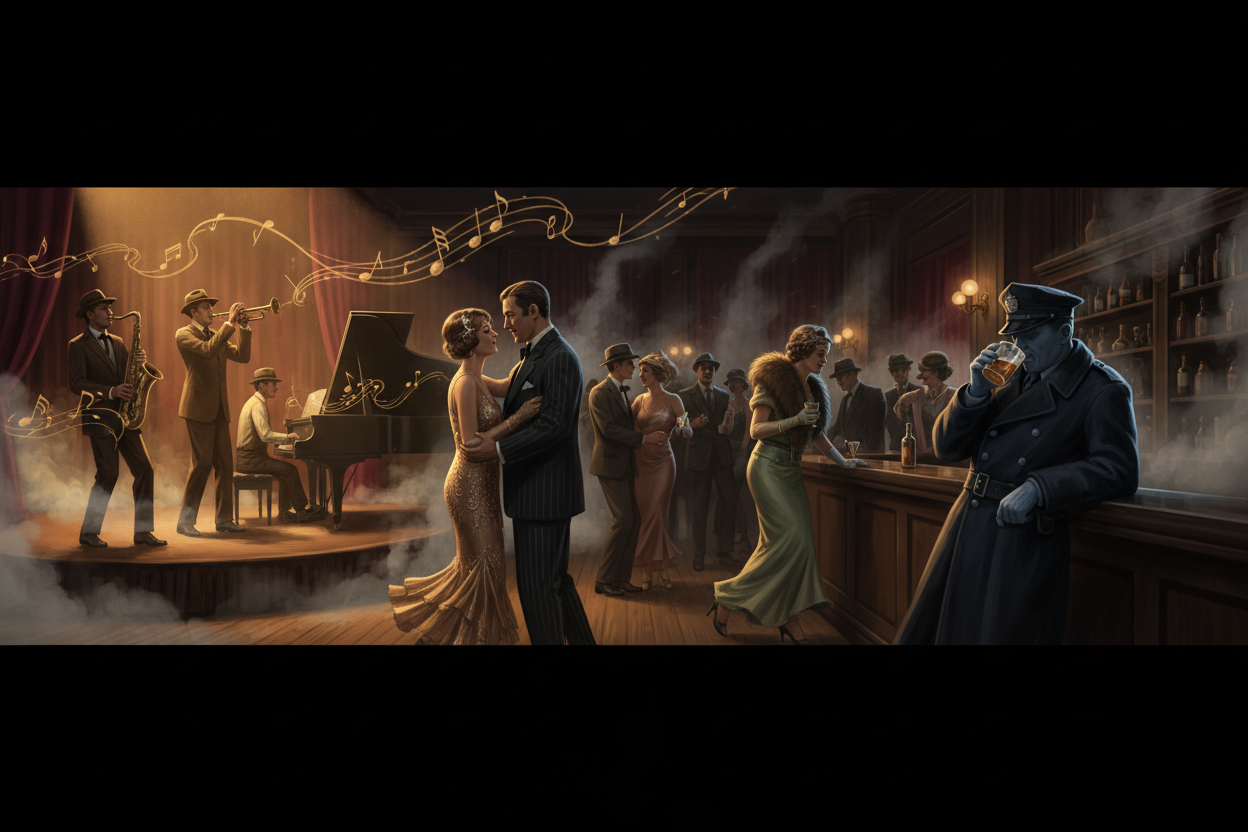
The neighborhoods of Center City, South Philadelphia, and Northern Liberties became epicenters of this underground movement. Each area developed its own character and clientele, from the sophisticated cocktail lounges frequented by society elites to the gritty basement clubs where working-class Philadelphians danced until dawn.
Historic Speakeasies That Still Echo with Jazz
Many of Philadelphia’s original Prohibition-era establishments have been lost to time, but several locations still carry the spirit of those rebellious years. The Continental Mid-town, located in the heart of Center City, occupies a building that once housed one of the city’s most notorious speakeasies. While the restaurant has been modernized, the basement still features the original brick archways and hidden passages that once concealed illegal activities.
The Ranstead Room, tucked away on a narrow alley off 13th Street, captures the intimate atmosphere of a 1920s cocktail den. This modern speakeasy pays homage to its predecessors with dim lighting, craft cocktails, and live jazz performances that transport visitors back to the era when such establishments operated in secrecy.
Perhaps most fascinating is the basement of what is now Tattooed Mom on South Street. Local historians believe this space served as a speakeasy during Prohibition, complete with multiple escape routes and a hidden tunnel system that connected to nearby buildings. While it’s now a quirky bar and restaurant, the original architectural features hint at its clandestine past.
Modern Venues Keeping the Jazz Age Spirit Alive
Philadelphia’s contemporary bar scene embraces its Prohibition heritage with remarkable creativity. Chris’ Jazz Cafe has been serving up live jazz and craft cocktails since 1982, maintaining the intimate atmosphere that defined the original speakeasy experience. The venue’s commitment to showcasing both local and touring jazz musicians creates an authentic connection to the city’s musical heritage.
The Franklin Bar, hidden behind an unmarked door on 13th Street, requires visitors to know exactly where they’re going – just like the speakeasies of old. Inside, master bartenders craft cocktails using techniques and recipes that would have impressed even the most discerning Prohibition-era drinker. The bar’s dedication to quality spirits and classic preparation methods offers a genuine taste of the past.
For those seeking a more upscale experience, The Ritz-Carlton’s Library Bar occupies space in a building that witnessed the height of Philadelphia’s Jazz Age. While the current establishment is thoroughly modern, the building’s history seeps through in subtle details that remind visitors of the glamorous parties once held within these walls.
Jazz Venues That Transport You to the 1920s
Music was the heartbeat of Prohibition-era nightlife, and Philadelphia’s jazz scene remains vibrant today. The Kimmel Center regularly hosts performances that celebrate the city’s jazz heritage, including tribute concerts to legendary Philadelphia musicians who made their mark during the 1920s and 1930s.
World Cafe Live provides an intimate setting for jazz performances that capture the energy of the original speakeasy scene. The venue’s smaller room, in particular, recreates the close quarters where audiences once gathered around piano players and small combos, sharing in the collective thrill of experiencing live music in defiance of social conventions.
The Clef Club of Jazz and Performing Arts, while primarily an educational institution, offers public performances that showcase traditional jazz styles in settings that honor the genre’s rebellious roots. Their concerts often feature period-appropriate staging and costumes that help audiences connect with the music’s historical context.
Cocktail Culture: Sipping History in Every Glass
The craft cocktail renaissance has brought renewed attention to the drinks that defined the Jazz Age. Philadelphia bartenders have become historians in their own right, researching original recipes and techniques that were perfected during Prohibition when quality ingredients were scarce and creativity was essential.
The Gin Joint on South 13th Street specializes in cocktails from the 1920s and 1930s, using house-made bitters and syrups that replicate the flavors of the era. Their bartenders can tell you the story behind each drink, from the Bee’s Knees (created to mask the harsh taste of bathtub gin) to the Southside (a Philadelphia original that became popular in speakeasies throughout the city).
Hop Sing Laundromat takes the speakeasy concept to its logical extreme, operating behind an unmarked door with strict rules about photography and behavior that mirror the discretion required during Prohibition. The bar’s extensive cocktail menu includes both classic recipes and modern interpretations that showcase how the craft has evolved while maintaining its roots in the Jazz Age.
Walking Tours and Historical Experiences
Several organizations offer guided tours that bring Philadelphia’s Prohibition history to life. The Constitutional Walking Tour includes stops at locations that played significant roles during the Jazz Age, providing historical context that helps visitors understand how the era shaped the city’s character.
Ghost Tours of Philadelphia occasionally features Prohibition-themed walks that explore the darker side of the speakeasy scene, including stories of violence and corruption that accompanied the illegal liquor trade. These tours visit locations where actual events occurred, adding an element of authenticity to the historical narrative.
For a more immersive experience, some local companies offer “Prohibition Pub Crawls” that combine historical education with visits to bars that maintain connections to the era. Participants learn about the period while sampling cocktails and visiting venues that capture the spirit of the 1920s underground scene.
Planning Your Jazz Age Philadelphia Adventure
The best way to experience Philadelphia’s Prohibition heritage is to approach it like the locals did in the 1920s – with a sense of adventure and a willingness to explore beyond the obvious. Start your evening at one of the historical locations, then move to modern venues that maintain the speakeasy atmosphere.
Consider timing your visit to coincide with special events that celebrate the era. Many venues host 1920s-themed parties, especially around New Year’s Eve and during the summer months when outdoor events can capture the festive spirit of the Jazz Age.
Dress the part if you’re so inclined – many establishments appreciate guests who embrace the period aesthetic, and some even offer discounts for patrons in 1920s attire. However, the most important thing to bring is an appreciation for the history and culture that made this era so significant in Philadelphia’s development.
Philadelphia’s Jazz Age legacy offers more than just entertainment – it provides a window into a transformative period in American history when the city played a crucial role in shaping national culture. From the speakeasies that defied federal law to the jazz clubs that nurtured musical innovation, Philadelphia’s Prohibition-era hotspots tell the story of a city that refused to let authority diminish its spirit. Today’s visitors can experience echoes of that rebellious energy in venues that honor the past while creating new memories for future generations to discover.