Philadelphia’s Hidden Courtyards and Secret Gardens Tour: Discovering the City’s Best-Kept Natural Treasures
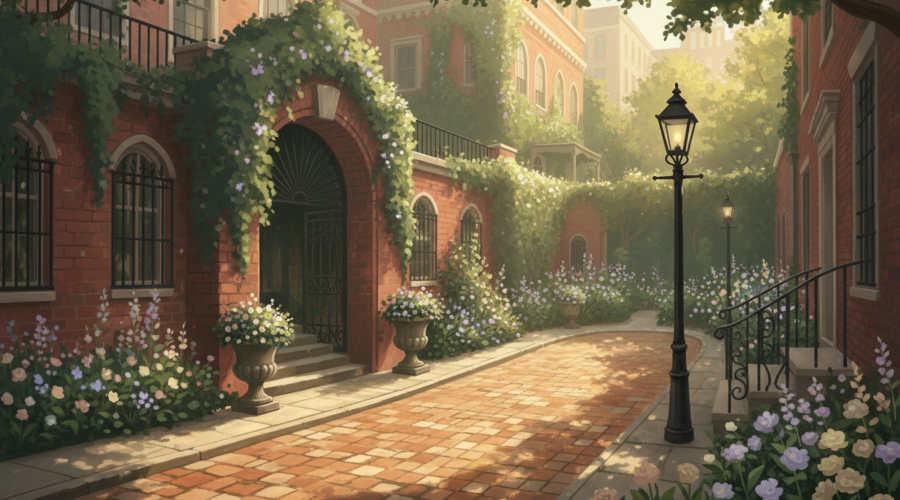
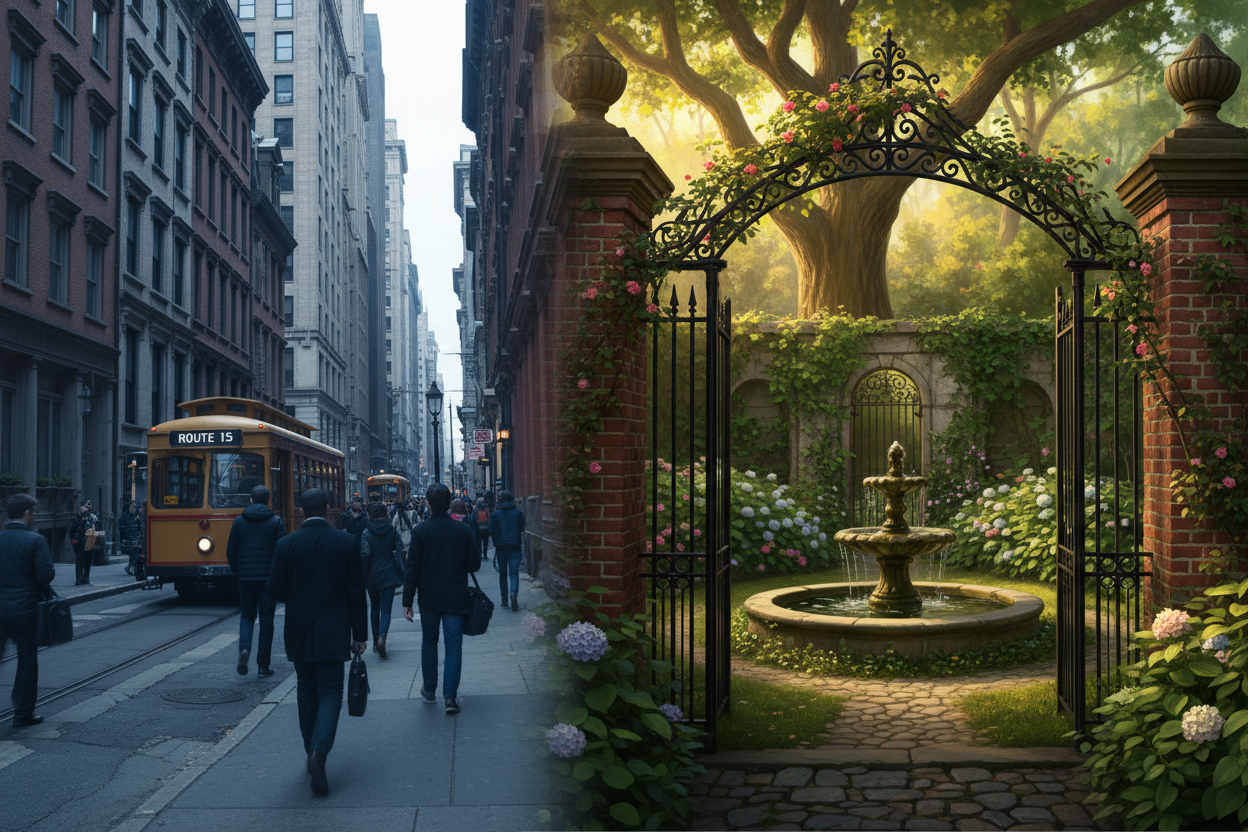
When most people think of Philadelphia, images of the Liberty Bell, cheesesteaks, and bustling city streets come to mind. But tucked away behind historic facades and down narrow alleyways lies a completely different side of the City of Brotherly Love – one filled with enchanting courtyards, secret gardens, and peaceful green spaces that most visitors never discover. These hidden gems offer a tranquil escape from urban life and reveal Philadelphia’s rich horticultural heritage that dates back centuries.
Philadelphia’s secret gardens aren’t just beautiful spaces; they’re living pieces of history that tell the story of how this colonial city evolved while preserving its connection to nature. From private courtyards that have been lovingly maintained by generations of families to community gardens that have transformed abandoned lots into thriving ecosystems, these hidden spaces showcase the ingenuity and dedication of Philadelphians who refuse to let concrete completely overtake their green heritage.
The Historical Significance of Philadelphia’s Hidden Green Spaces
Philadelphia’s tradition of hidden gardens and courtyards stretches back to its founding by William Penn in 1682. Penn envisioned a “greene country towne” where every house would have space for gardens and orchards. While urban development has certainly changed the landscape, remnants of this original vision persist in the form of these secret outdoor sanctuaries.
Many of Philadelphia’s hidden courtyards were originally designed as functional spaces – areas where colonial families could grow herbs for cooking and medicine, keep small livestock, or simply enjoy fresh air away from the dusty streets. The Quaker influence in early Philadelphia emphasized simplicity and connection with nature, principles that are still evident in many of these preserved spaces today.
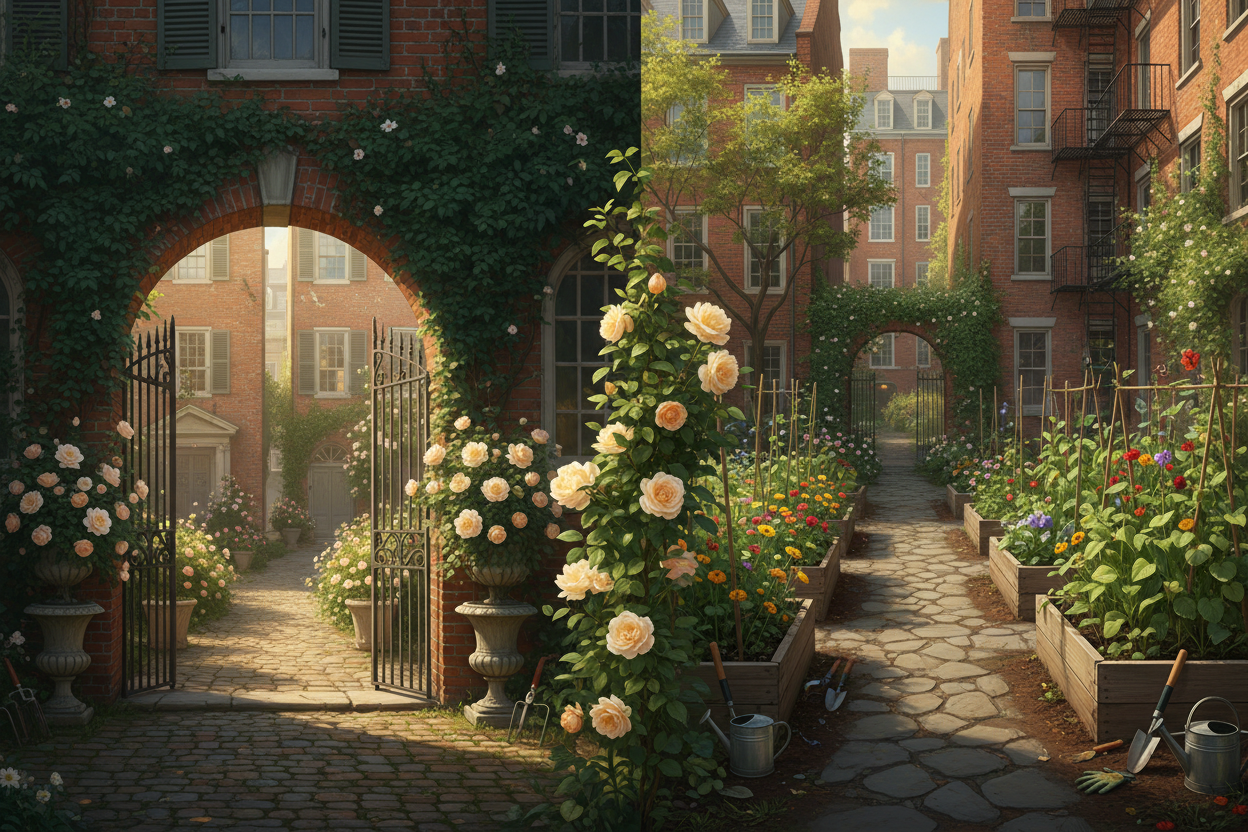
During the Industrial Revolution, as Philadelphia became a manufacturing powerhouse, these green spaces became even more precious. Wealthy families began creating elaborate private gardens as status symbols, while working-class neighborhoods developed community spaces where residents could gather and children could play safely away from busy streets and factory smoke.
Where to Find Philadelphia’s Most Spectacular Hidden Courtyards
The beauty of Philadelphia’s secret gardens lies not just in their design, but in their unexpected locations. You might stumble upon a lush courtyard while walking through Society Hill, or discover a community garden thriving in what was once an empty lot in Northern Liberties.
Old City holds some of the most historically significant hidden courtyards. Elfreth’s Alley, America’s oldest continuously inhabited residential street, features several private courtyards that occasionally open for tours. These spaces maintain their colonial character with brick pathways, heritage plantings, and traditional garden layouts that transport visitors back to the 18th century.
Society Hill offers another treasure trove of hidden gardens. The neighborhood’s strict historic preservation guidelines have helped maintain many original courtyard designs. Washington Square West, often called the “Gayborhood,” surprises visitors with pocket gardens tucked between Victorian rowhouses, many featuring contemporary landscape design that respects the area’s historic character.
Rittenhouse Square, while famous for its public square, also harbors numerous private courtyards behind its elegant townhouses. These spaces often feature sophisticated landscape architecture, with carefully curated plantings that provide year-round interest and privacy from the bustling streets just steps away.
Community Gardens: Philadelphia’s Grassroots Green Revolution
Philadelphia’s community garden movement represents one of the most inspiring aspects of the city’s hidden green spaces. With over 500 community gardens throughout the city, Philadelphia has one of the most extensive urban agriculture networks in the United States. These spaces transform vacant lots into productive gardens that feed families and strengthen neighborhoods.
The Philadelphia Orchard Project has been instrumental in creating food forests and orchards in unexpected places. Their work demonstrates how communities can reclaim abandoned spaces and turn them into productive landscapes that provide fresh fruit while creating habitat for urban wildlife.
Many community gardens incorporate traditional cultural practices from Philadelphia’s diverse immigrant communities. You’ll find gardens where Puerto Rican families grow sofrito ingredients, where Southeast Asian refugees cultivate traditional herbs, and where African American gardeners maintain heirloom varieties passed down through generations.
These spaces serve multiple purposes beyond food production. They’re gathering places where neighbors meet, children learn about nature, and communities organize around shared goals. During the growing season, many community gardens host workshops, cultural events, and harvest celebrations that strengthen social bonds while celebrating the abundance these hidden spaces provide.
Planning Your Secret Garden Adventure
Exploring Philadelphia’s hidden courtyards and secret gardens requires some planning, as many of these spaces are private or have limited access. The best approach is to combine self-guided exploration with organized tours and special events that provide access to normally closed spaces.
The Philadelphia Horticultural Society offers periodic tours of private gardens, usually during spring and fall when plantings are at their peak. These tours provide rare access to some of the city’s most spectacular hidden spaces, along with expert commentary about garden design, plant selection, and historical significance.
Many neighborhoods organize annual garden tours as fundraising events. Society Hill, Chestnut Hill, and Mount Airy regularly host these tours, which typically include both well-known gardens and hidden gems that are rarely open to the public. These events often include refreshments and opportunities to meet the gardeners who maintain these beautiful spaces.
For those who prefer self-guided exploration, walking tours of neighborhoods like Old City, Northern Liberties, and Fishtown can reveal community gardens and publicly accessible courtyards. Many of these spaces welcome visitors during daylight hours, though it’s always respectful to observe from pathways and ask permission before entering private areas.
The Best Times to Visit Philadelphia’s Hidden Gardens
Philadelphia’s four distinct seasons each offer unique advantages for garden exploration. Spring brings spectacular blooms as bulbs emerge and flowering trees burst into color. This is when many private gardens are at their most photogenic, with cherry blossoms, tulips, and daffodils creating stunning displays in hidden courtyards.
Summer transforms community gardens into productive landscapes filled with vegetables, herbs, and flowers. This is the best time to see urban agriculture in action and understand how these spaces contribute to food security in Philadelphia neighborhoods. Many community gardens host summer events and workshops that welcome visitors.
Fall offers perhaps the most comfortable weather for garden touring, with mild temperatures and stunning foliage colors. Many perennial gardens reach their second peak bloom in autumn, and the harvest season in community gardens provides opportunities to see the fruits of summer’s labor.
Even winter has its charms in Philadelphia’s hidden gardens. Evergreen plantings, interesting bark textures, and garden structures become more visible when deciduous plants are dormant. Some courtyards feature winter interest plants specifically chosen to provide beauty during the coldest months.
Supporting Philadelphia’s Hidden Garden Community
These hidden green spaces don’t maintain themselves. They exist because of dedicated gardeners, community organizations, and supporters who recognize their value to Philadelphia’s quality of life. Visitors can support these efforts in numerous ways while enjoying these beautiful spaces.
The Philadelphia Horticultural Society, Pennsylvania Horticultural Society, and neighborhood garden clubs always welcome volunteers and members. These organizations maintain many public gardens, organize educational programs, and advocate for green space preservation throughout the city.
Community gardens often welcome volunteers, especially during planting and harvest seasons. Many gardens have adopt-a-plot programs that allow supporters to sponsor garden beds or contribute to maintenance funds. These contributions help ensure that these valuable community resources continue thriving.
Local nurseries and garden centers that specialize in native plants and sustainable gardening practices deserve support from garden enthusiasts. These businesses often provide plants and expertise to community gardens while promoting environmentally responsible gardening practices that benefit Philadelphia’s urban ecosystem.
Conclusion
Philadelphia’s hidden courtyards and secret gardens represent far more than just pretty spaces – they’re testament to the city’s enduring commitment to balancing urban development with green living. These hidden gems preserve Philadelphia’s horticultural heritage while adapting to contemporary needs for community gathering spaces, urban agriculture, and peaceful retreats from city life.
Whether you’re a longtime Philadelphian who thought you knew every corner of your city, or a visitor looking to experience something beyond the typical tourist attractions, exploring these secret gardens offers a unique perspective on what makes Philadelphia special. Each hidden courtyard tells a story about the people who created and maintained it, while every community garden demonstrates the power of neighbors working together to improve their environment.
The next time you’re walking through Philadelphia’s historic neighborhoods, take a moment to peer down alleyways, notice gates that might lead to courtyards, and look for signs of community gardens in unexpected places. You might just discover your own secret garden – a peaceful oasis that reminds you that even in America’s fifth-largest city, nature finds a way to flourish in the most surprising places.