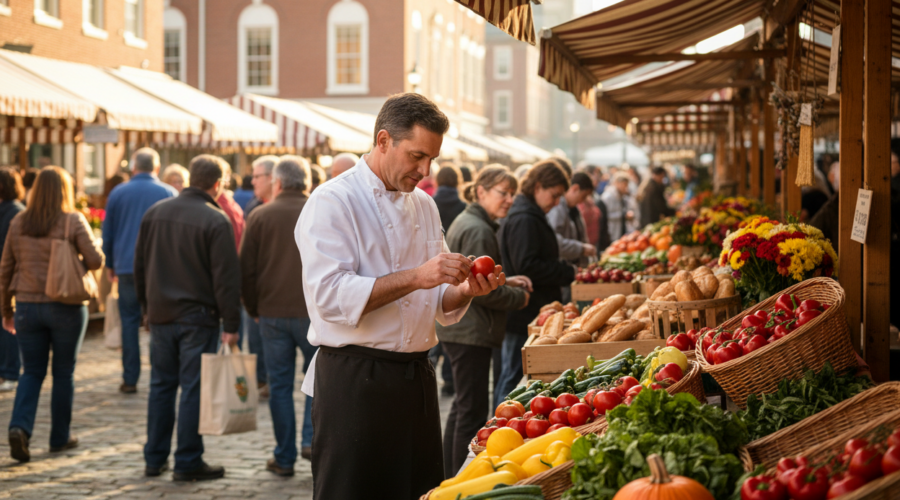
How to Navigate Philadelphia’s Best Farmers Markets Like a Local Chef
Philadelphia’s farmers markets are treasure troves of culinary inspiration, where the city’s most talented chefs hunt for the freshest ingredients to create their seasonal masterpieces. These vibrant marketplaces offer more than just produce – they’re cultural hubs where food enthusiasts connect with local growers, discover unique varieties, and learn the secrets behind exceptional cooking.
Whether you’re a home cook looking to elevate your meals or simply someone who appreciates quality ingredients, learning to shop like a professional chef will transform your market experience. From timing your visits perfectly to building relationships with vendors, this guide will help you navigate Philadelphia’s farmers markets with the confidence and expertise of a seasoned culinary professional.
Understanding Philadelphia’s Farmers Market Landscape
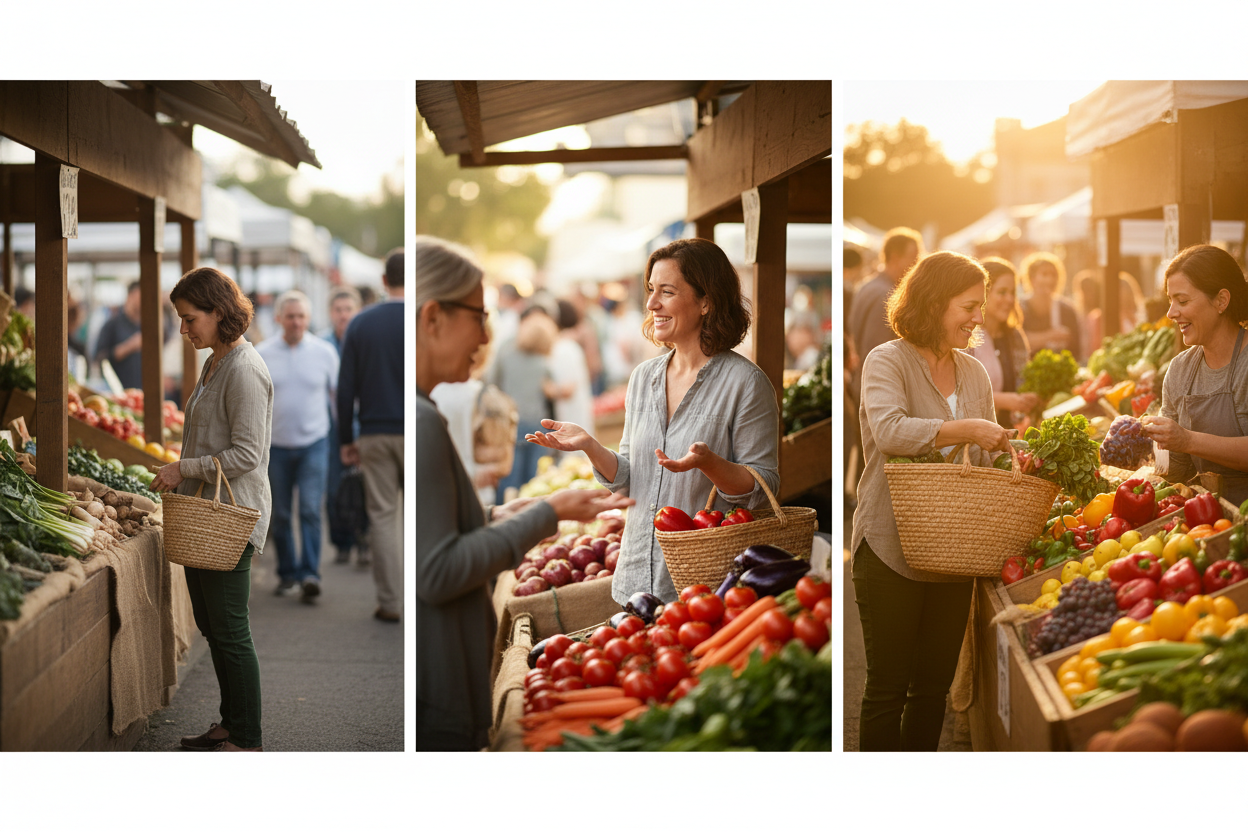
Philadelphia boasts an impressive network of farmers markets, each with its own personality and specialties. The Reading Terminal Market, while technically an indoor market hall, remains the crown jewel of the city’s food scene, operating year-round with a mix of Amish vendors and local producers. The Rittenhouse Square Farmers Market brings European-style charm to Center City every Saturday, while neighborhood markets like Clark Park and Headhouse Square offer intimate settings where you can truly get to know your vendors.
Professional chefs often frequent multiple markets throughout the week, understanding that each location offers different strengths. Some markets excel in organic vegetables, others in artisanal cheeses or fresh seafood. The key is identifying which markets align with your cooking style and ingredient needs.
The Art of Strategic Market Timing
Timing is everything when it comes to farmers market shopping, and local chefs have mastered this crucial element. Arriving early, typically within the first hour of opening, gives you access to the best selection before popular items sell out. However, this strategy works best for highly sought-after products like fresh berries, specialty mushrooms, or limited-quantity artisanal goods.
Conversely, shopping during the final hour can yield significant savings as vendors prefer to sell remaining inventory rather than pack it up. Many experienced chefs use this late-market strategy for bulk purchases or when stocking up on ingredients for prep work. The middle hours offer the perfect balance – good selection with reasonable prices and the opportunity to have unhurried conversations with vendors.
Seasonal timing matters just as much as daily timing. Spring markets overflow with tender greens and early herbs, while summer brings the peak tomato and stone fruit season that chefs eagerly anticipate all year. Fall markets showcase the harvest bounty of root vegetables and storage crops, perfect for hearty autumn dishes.
Building Relationships with Market Vendors
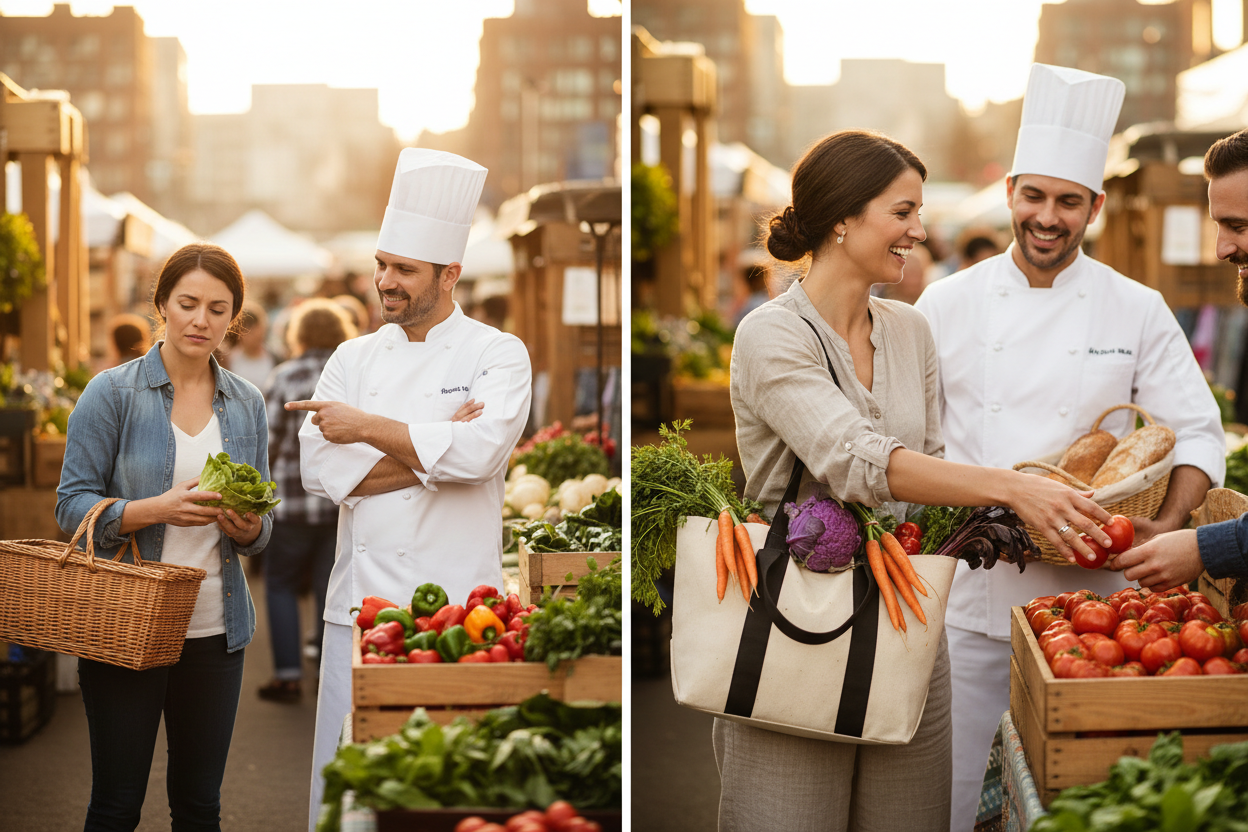
The most successful chefs understand that farmers markets are relationship-driven environments. Vendors remember customers who show genuine interest in their products and farming practices. Start conversations by asking about growing methods, harvest timing, or preparation suggestions. These interactions often lead to valuable insider information about when special items will be available or which varieties are at their peak.
Regular customers frequently receive preferential treatment – early access to premium products, custom orders, or even samples of new varieties before they’re officially available. Some vendors will hold back the best specimens for their chef customers, knowing they’ll appreciate and properly utilize exceptional ingredients.
Don’t hesitate to share how you plan to use their products. Farmers take pride in their work and enjoy hearing how their ingredients contribute to memorable meals. This feedback creates a connection that goes beyond simple transactions.
The Professional Approach to Ingredient Selection
Chefs approach ingredient selection with a trained eye and systematic method. They examine produce using all their senses – looking for vibrant colors and proper ripeness indicators, feeling for appropriate firmness or give, and smelling for the telltale aromas that indicate peak flavor.
When selecting tomatoes, professional buyers look for fruits that yield slightly to pressure while maintaining their shape, with a fresh, green stem end and that distinctive tomato fragrance. For leafy greens, they seek crisp leaves without yellowing or wilting, often choosing bunches with roots still attached when possible.
Stone fruits present particular challenges, as the window between underripe and overripe can be narrow. Experienced buyers gently press near the stem end, looking for slight give without mushiness, and choose fruits with good color development and sweet fragrance.
The key is understanding that perfect appearance doesn’t always indicate the best flavor. Some of the most delicious tomatoes have slight blemishes, and the most flavorful peaches might not have the most uniform shape.
Seasonal Shopping Strategies That Chefs Swear By
Professional chefs plan their menus around seasonal availability, understanding that ingredients taste best when they’re naturally in season. This approach requires flexibility and creativity, but it results in more flavorful dishes and often better prices.
Spring shopping focuses on tender vegetables that don’t require long cooking times – asparagus, peas, radishes, and delicate herbs. Chefs often incorporate these ingredients into light preparations that highlight their fresh, clean flavors.
Summer abundance allows for more adventurous shopping. This is when chefs stock up on tomatoes for canning, purchase large quantities of basil for pesto, and experiment with unusual varieties of familiar vegetables. The key is buying in larger quantities when prices are lowest and quality is highest.
Fall and winter shopping requires different strategies, focusing on storage vegetables and preserved items. Root vegetables, winter squashes, and hardy greens become staples, while many chefs also stock up on preserved items like pickles, jams, and cured meats.
Maximizing Your Market Budget Like a Pro
Professional chefs operate within strict food cost parameters, making them experts at maximizing market budgets. They understand that buying the most expensive ingredients doesn’t guarantee the best results – it’s about finding the best value for quality.
Bulk purchasing during peak season allows for significant savings, especially when combined with proper storage or preservation techniques. Many chefs buy large quantities of tomatoes at summer’s end for sauce-making, or purchase pounds of herbs for drying or freezing.
Building relationships with vendors often leads to better pricing, especially for regular customers or those buying in quantity. Some vendors offer chef discounts or special pricing for bulk orders placed in advance.
Consider the versatility of ingredients when making purchasing decisions. Items that can be used in multiple preparations offer better value than single-use specialty products. A good bunch of fresh herbs can enhance numerous dishes throughout the week.
Essential Tools and Preparation for Market Success
Successful market shopping requires proper preparation and the right tools. Experienced shoppers bring multiple reusable bags in various sizes, including insulated bags for temperature-sensitive items. A small cooler with ice packs becomes essential during summer months for dairy products, meat, and delicate items.
Cash remains king at most farmers markets, and having small bills makes transactions smoother. Many vendors now accept cards, but cash often receives preference and sometimes better pricing.
Bring a notebook or use your phone to track seasonal availability, vendor contact information, and notes about particularly good products. This information becomes invaluable for planning future shopping trips and menu development.
Comfortable shoes and weather-appropriate clothing are essential, as market shopping often involves walking on various surfaces and spending time outdoors regardless of conditions.
Discovering Hidden Gems and Specialty Items
The most exciting market discoveries often come from venturing beyond familiar vendors and products. Chefs regularly explore new stalls and ask vendors about unusual items or varieties they might not typically display.
Many farmers grow specialty varieties that don’t have mass market appeal but offer exceptional flavor or unique characteristics. These might include heirloom tomatoes with unusual colors, heritage breed meats, or foraged items like ramps or mushrooms.
Artisanal producers often offer items you won’t find elsewhere – handmade cheeses, small-batch preserves, or specialty baked goods made with local ingredients. These products can become signature elements in your cooking.
Don’t overlook prepared foods and value-added products from local producers. Items like fresh pasta, artisanal vinegars, or house-made sausages can elevate home cooking with minimal effort.
Conclusion
Navigating Philadelphia’s farmers markets like a local chef transforms routine grocery shopping into an adventure of discovery and connection. By understanding market dynamics, building vendor relationships, and approaching ingredient selection with a professional mindset, you’ll not only find better ingredients but also become part of the vibrant community that makes these markets so special.
The techniques and strategies used by professional chefs aren’t trade secrets – they’re practical approaches that anyone can learn and apply. Start with one or two markets, focus on building relationships with a few key vendors, and gradually expand your knowledge and network. Remember that becoming a skilled market shopper takes time and practice, but the rewards – fresher ingredients, better meals, and meaningful connections – make the effort worthwhile.
Your journey to shopping like a local chef begins with your next market visit. Armed with these insights and strategies, you’re ready to explore Philadelphia’s incredible farmers markets with new confidence and expertise.