Philadelphia’s Most Beautiful Staircases and Architectural Details: A Visual Journey Through the City of Brotherly Love
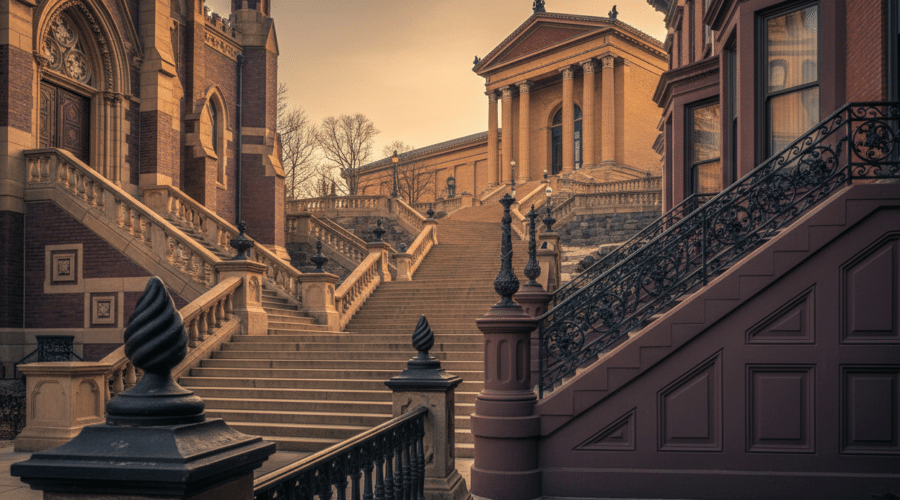
Philadelphia’s architectural landscape tells a story that spans centuries, from colonial-era craftsmanship to modern design innovations. While many visitors flock to see the Liberty Bell or Independence Hall, those with a keen eye for architectural beauty know that some of the city’s most stunning features are found in its staircases and intricate details. These elements serve as silent witnesses to Philadelphia’s rich history, showcasing the artistry and skill of generations of craftsmen who helped shape one of America’s most historically significant cities.
Walking through Philadelphia’s neighborhoods feels like stepping through a living museum of architectural evolution. The city’s staircases, in particular, represent more than mere functional elements – they’re artistic statements that reflect the cultural influences, economic prosperity, and design philosophies of their respective eras. From the grand marble steps of Rittenhouse Square mansions to the charming brick stoops of South Philadelphia row houses, each staircase contributes to the city’s unique architectural tapestry.
The Grand Staircases of Rittenhouse Square
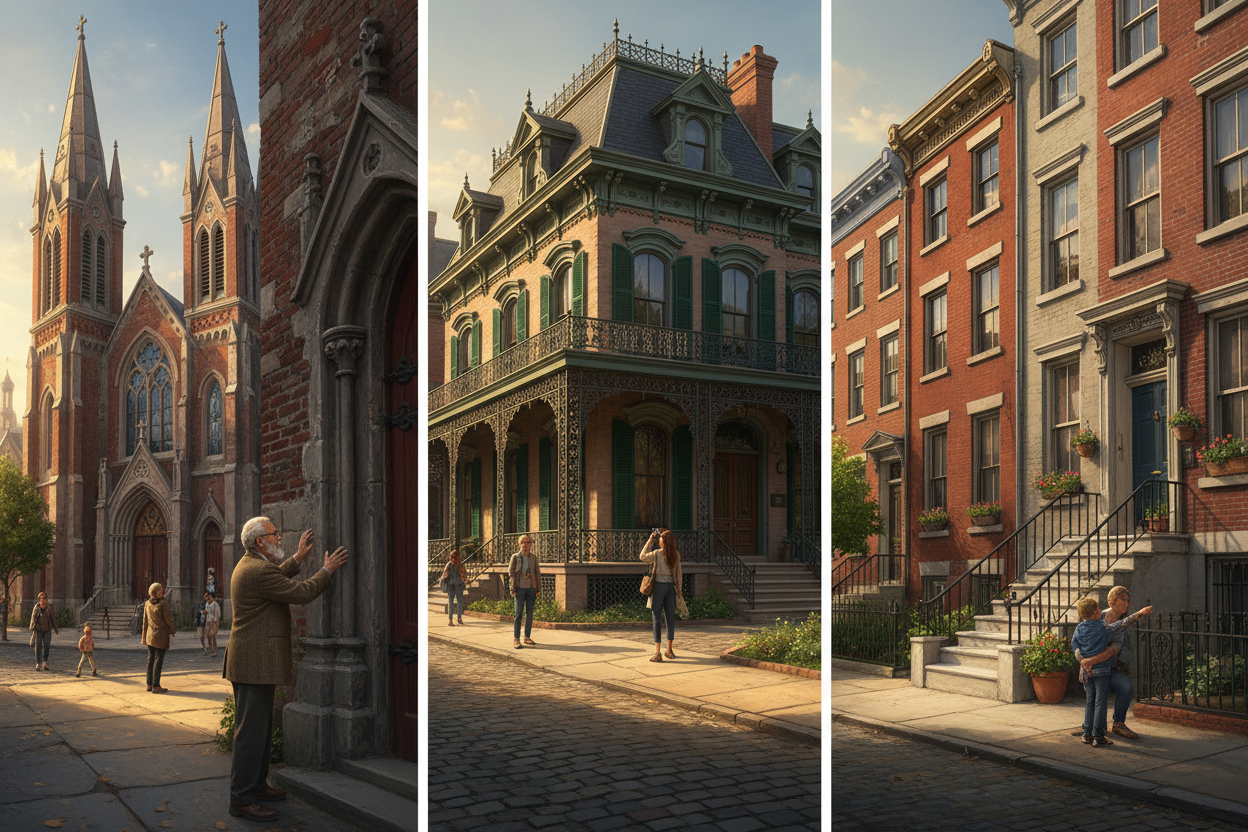
Rittenhouse Square stands as Philadelphia’s most prestigious neighborhood, and its staircases reflect this status with remarkable elegance. The area’s late 19th and early 20th-century mansions feature some of the city’s most impressive architectural details, with staircases that serve as dramatic focal points both inside and out.
The exterior steps leading to these stately homes often showcase beautiful stonework, typically crafted from local Wissahickon schist or imported limestone. Many feature intricate balustrades with hand-carved details that have weathered decades of Philadelphia winters while maintaining their refined appearance. The craftsmanship evident in these staircases reflects the wealth and sophistication of the families who originally commissioned these homes.
Inside these historic residences, you’ll discover even more spectacular examples of staircase artistry. Sweeping curved staircases with hand-carved wooden banisters wind gracefully between floors, often featuring different wood species that create stunning visual contrasts. The attention to detail in these interior staircases is extraordinary – from the precisely fitted joints to the ornate newel posts that anchor each flight.
South Philadelphia’s Iconic Row House Steps
While Rittenhouse Square represents Philadelphia’s grandest architectural statements, South Philadelphia’s row house steps tell a different but equally compelling story. These modest yet charming staircases embody the working-class spirit that has defined much of Philadelphia’s character throughout its history.
The typical South Philly stoop features white marble or concrete steps that lead directly from the sidewalk to the front door. What makes these staircases special isn’t their grandeur but their role in community life. These steps have served as gathering places for generations of families, where neighbors catch up on local news, children play games, and elderly residents watch the world go by.
Many of these row house staircases showcase beautiful brickwork details that frame the steps. The brick patterns often include decorative elements like soldier courses or header bonds that add visual interest without unnecessary ornamentation. The simplicity of these designs speaks to a philosophy that values function and durability over flashy decoration, yet the overall effect is undeniably attractive.
Historic Churches and Their Magnificent Staircases
Philadelphia’s religious architecture contains some of the city’s most breathtaking staircase designs. The Cathedral Basilica of Saints Peter and Paul, located near Logan Square, features a stunning interior staircase that exemplifies 19th-century ecclesiastical architecture. The marble steps, flanked by ornate iron railings, create a sense of ascending toward the divine that perfectly complements the cathedral’s spiritual purpose.
St. Peter’s Church in Society Hill, dating back to 1761, showcases colonial-era craftsmanship in its wooden staircases. The simple yet elegant design reflects the Protestant aesthetic of the period, with clean lines and minimal ornamentation that emphasizes the natural beauty of the wood grain. These staircases have been climbed by countless worshippers over more than two and a half centuries, their worn surfaces telling stories of generations of faith.
The Mother Bethel African Methodist Episcopal Church, founded by Richard Allen in 1794, contains staircases that represent both architectural beauty and historical significance. As the oldest piece of real estate continuously owned by African Americans in the United States, the church’s architectural details, including its staircases, carry profound cultural and historical weight.
University City’s Academic Grandeur
The University of Pennsylvania campus showcases Philadelphia’s commitment to educational architecture through its impressive staircases and architectural details. The Fisher Fine Arts Library, designed by Frank Furness in the 1890s, features a spectacular interior staircase that exemplifies the Victorian Gothic Revival style. The red sandstone and brick construction creates a warm, scholarly atmosphere, while the intricate carved details demonstrate the high level of craftsmanship expected in academic buildings of the era.
College Hall, Penn’s oldest building, contains staircases that have been traversed by students and faculty since 1872. The worn stone steps and polished wooden handrails bear the patina of countless hands and footsteps, creating a tangible connection to the university’s long history of academic excellence.
Drexel University’s historic buildings also contribute to Philadelphia’s architectural heritage with staircases that blend functionality with aesthetic appeal. The Main Building’s central staircase serves as both a practical circulation route and a ceremonial space where important university events take place.
Art Deco Influences in Center City
Philadelphia’s Center City district contains numerous examples of Art Deco architecture, and many of these buildings feature staircases that exemplify the style’s emphasis on geometric patterns and streamlined forms. The PSFS Building, now known as the Loews Philadelphia Hotel, contains interior staircases that showcase the clean lines and metallic finishes characteristic of the Art Deco movement.
The Fidelity Mutual Life Building, completed in 1928, features exterior staircases with distinctive zigzag patterns and stylized decorative elements that create dramatic visual impact. These staircases demonstrate how functional architectural elements can serve as artistic statements that enhance the overall design of a building.
Many of Center City’s office buildings from the 1920s and 1930s contain lobby staircases that were designed to impress visitors and tenants alike. The combination of marble, bronze, and geometric patterns creates an atmosphere of modern sophistication that still feels fresh and relevant today.
Hidden Gems in Philadelphia’s Neighborhoods
Beyond the well-known architectural landmarks, Philadelphia’s various neighborhoods contain countless examples of beautiful staircases and architectural details that reward careful observation. Chestnut Hill’s Victorian-era homes feature wooden staircases with intricate spindle work and carved details that reflect the craftsmanship traditions of the late 19th century.
The Germantown section showcases colonial and Federal-style architecture with staircases that emphasize proportion and symmetry over elaborate decoration. These examples demonstrate how architectural beauty can emerge from restraint and careful attention to classical principles of design.
Manayunk’s industrial heritage is reflected in its unique architectural details, including staircases that blend residential and commercial influences. The neighborhood’s position along the Schuylkill River influenced its architectural development, creating distinctive designs that respond to the area’s topography and industrial history.
Preservation Efforts and Modern Appreciation
Philadelphia’s architectural heritage faces ongoing challenges from development pressure, weather damage, and the natural aging process. However, numerous organizations and individuals work tirelessly to preserve the city’s beautiful staircases and architectural details for future generations.
The Philadelphia Historical Commission plays a crucial role in protecting significant architectural features, while organizations like the Preservation Alliance for Greater Philadelphia advocate for the importance of maintaining the city’s built heritage. These efforts ensure that Philadelphia’s architectural treasures, including its magnificent staircases, continue to enrich the urban landscape.
Modern restoration techniques allow craftspeople to repair and maintain historic staircases while preserving their original character and materials. This work requires specialized knowledge of traditional building techniques and materials, creating opportunities for artisans to continue Philadelphia’s long tradition of architectural craftsmanship.
Conclusion
Philadelphia’s staircases and architectural details represent far more than functional building elements – they embody the city’s history, values, and artistic achievements across multiple centuries. From the grand marble steps of Rittenhouse Square to the humble but charming stoops of South Philadelphia, each staircase contributes to the rich architectural tapestry that makes Philadelphia unique among American cities.
These architectural features serve as tangible links to the past while continuing to function in the present, demonstrating the enduring value of quality craftsmanship and thoughtful design. As Philadelphia continues to evolve and grow, preserving and appreciating these beautiful staircases and architectural details becomes increasingly important for maintaining the city’s distinctive character and cultural identity.
For residents and visitors alike, taking time to notice and appreciate Philadelphia’s architectural details transforms ordinary walks through the city into journeys of discovery. Every neighborhood offers opportunities to observe the skill and artistry of generations of builders, craftspeople, and designers who helped create one of America’s most architecturally rich cities. Whether you’re climbing the steps to a historic church, admiring the ironwork on a Victorian mansion, or simply walking up the front steps of a South Philly row house, you’re participating in Philadelphia’s ongoing architectural story.