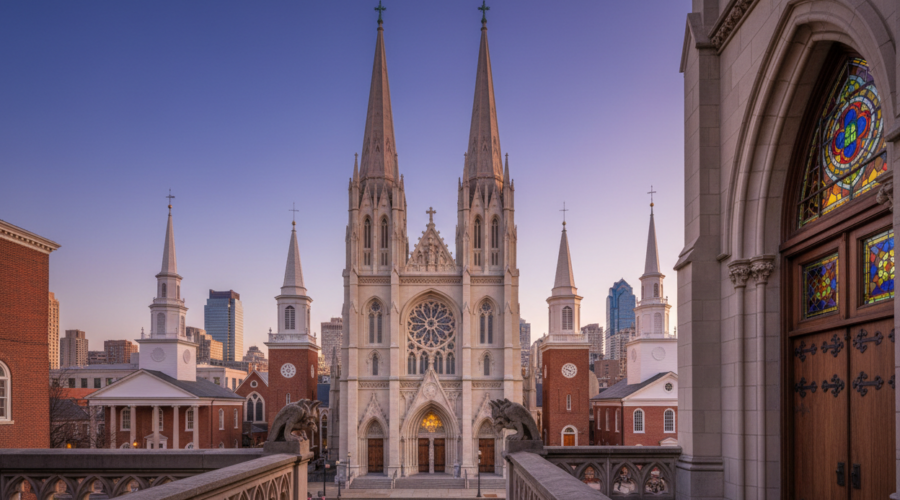
Philadelphia’s Most Beautiful Churches for Architecture Enthusiasts
Philadelphia stands as a testament to American architectural evolution, where centuries of craftsmanship have created some of the nation’s most stunning religious buildings. From colonial-era meeting houses to soaring Gothic Revival cathedrals, the City of Brotherly Love offers architecture enthusiasts an extraordinary journey through time and style. Whether you’re drawn to intricate stonework, magnificent stained glass windows, or innovative structural designs, Philadelphia’s churches represent masterpieces that have shaped both the city’s skyline and its spiritual landscape.
Walking through Philadelphia’s historic neighborhoods, you’ll discover that these sacred spaces aren’t just places of worship—they’re living museums showcasing the finest examples of ecclesiastical architecture in America. Each structure tells a unique story of faith, community, and artistic vision that continues to inspire visitors from around the world.
Cathedral Basilica of Saints Peter and Paul: A Brownstone Marvel
The Cathedral Basilica of Saints Peter and Paul dominates the Benjamin Franklin Parkway with its impressive brownstone facade and commanding dome. Completed in 1864, this architectural gem represents the Roman Revival style at its finest, designed by Napoleon LeBrun and later modified by John Notman. The cathedral’s most striking feature is its 60-foot diameter dome, which rises majestically above the Philadelphia skyline.
Inside, visitors are greeted by breathtaking frescoes painted by Constantino Brumidi, the same artist who decorated the U.S. Capitol rotunda. The interior’s Italian marble columns and ornate decorative elements create an atmosphere of grandeur that rivals European cathedrals. Architecture enthusiasts will appreciate the building’s perfect proportions and the way natural light filters through the carefully positioned windows to illuminate the sacred space.
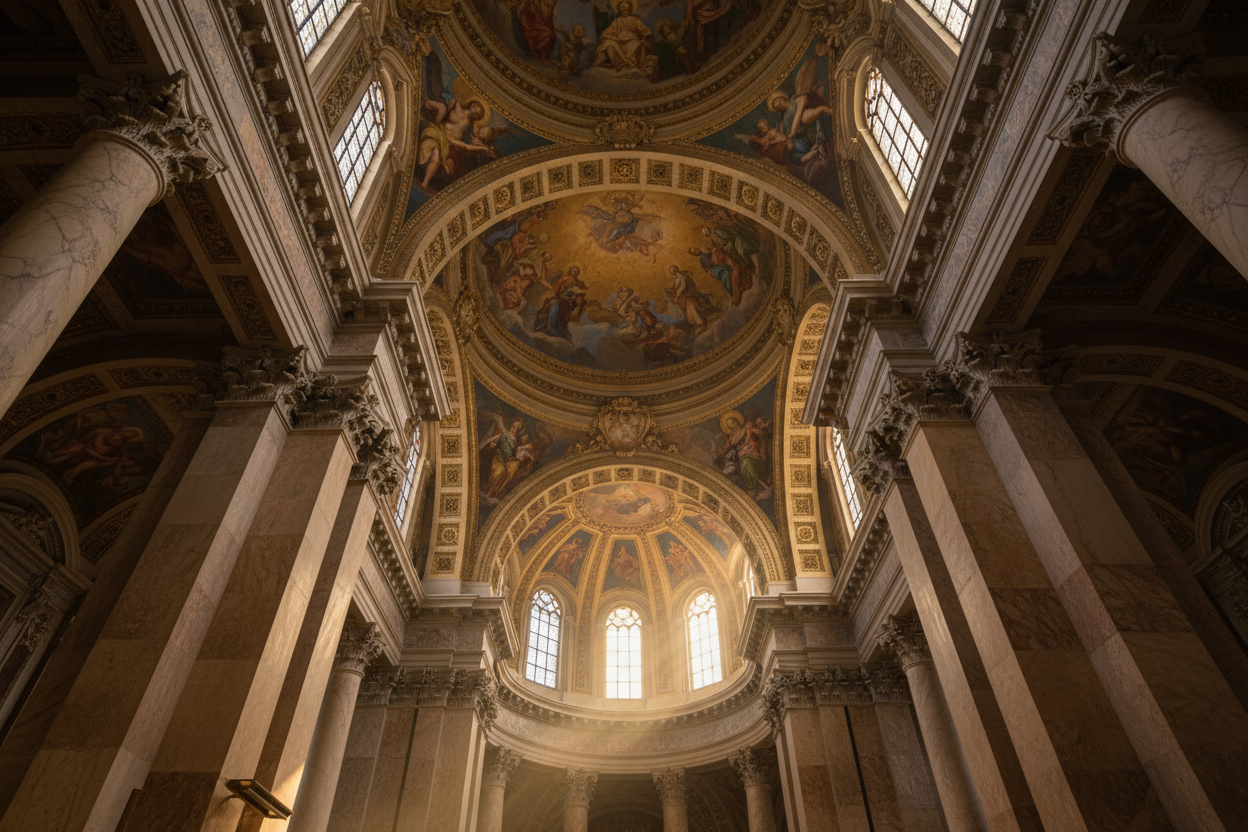
The cathedral underwent extensive restoration in recent years, revealing hidden architectural details and restoring the vibrant colors of its original design. This meticulous preservation work ensures that future generations can continue to marvel at this outstanding example of 19th-century ecclesiastical architecture.
Christ Church: Where Colonial Architecture Meets History
Christ Church, often called “The Nation’s Church,” stands as Philadelphia’s most historically significant religious building and a prime example of Georgian colonial architecture. Built between 1727 and 1754, this Episcopal church welcomed worshippers including George Washington, Benjamin Franklin, and other founding fathers who shaped American history within its walls.
The church’s distinctive 196-foot spire, added in 1754, was once the tallest structure in colonial America and served as a crucial navigation landmark for ships entering Philadelphia’s harbor. Architect Dr. John Kearsley designed the building with classic Georgian proportions, featuring symmetrical windows, elegant brickwork, and a sophisticated interior layout that maximized both acoustics and sightlines.
What makes Christ Church particularly fascinating for architecture enthusiasts is its pristine preservation of colonial-era craftsmanship. The original box pews, many bearing brass nameplates of famous parishioners, remain intact. The Palladian window behind the altar creates a dramatic focal point, while the crystal chandeliers, donated by Captain William Allen in 1740, continue to illuminate services just as they did centuries ago.
St. Peter’s Church: Federal Style Elegance
St. Peter’s Church, completed in 1761, showcases the refined elegance of Federal period architecture in Philadelphia’s Society Hill neighborhood. Designed by Robert Smith, the same architect who created Carpenter’s Hall, this Episcopal church demonstrates how American architects adapted English building traditions to create distinctly American ecclesiastical spaces.
The church’s most unique architectural feature is its unusual east-west orientation, with the altar positioned at the west end rather than the traditional east. This arrangement, combined with the building’s rectangular plan and high-backed box pews, creates an intimate worship environment that reflects 18th-century Anglican traditions.
Architecture enthusiasts will be drawn to the church’s exceptional craftsmanship details, including the hand-carved woodwork, original crown glass windows, and the remarkable wine glass pulpit that appears to float unsupported. The building’s brick exterior, laid in Flemish bond pattern, has weathered beautifully over more than 250 years, developing a rich patina that adds to its historic character.
Holy Trinity Church: Rittenhouse Square Gothic Revival
Holy Trinity Church stands as one of Philadelphia’s finest examples of Gothic Revival architecture, gracing Rittenhouse Square with its soaring spires and intricate stonework since 1859. Designed by John Notman, a Scottish-born architect who significantly influenced Philadelphia’s architectural landscape, this Episcopal church demonstrates the mid-19th century fascination with medieval Gothic forms adapted for American religious practice.
The church’s exterior features beautiful brownstone construction with elaborate tracery windows, flying buttresses, and carved stone details that rival European Gothic cathedrals. The asymmetrical tower design creates visual interest while maintaining the building’s overall harmony with the surrounding historic neighborhood.
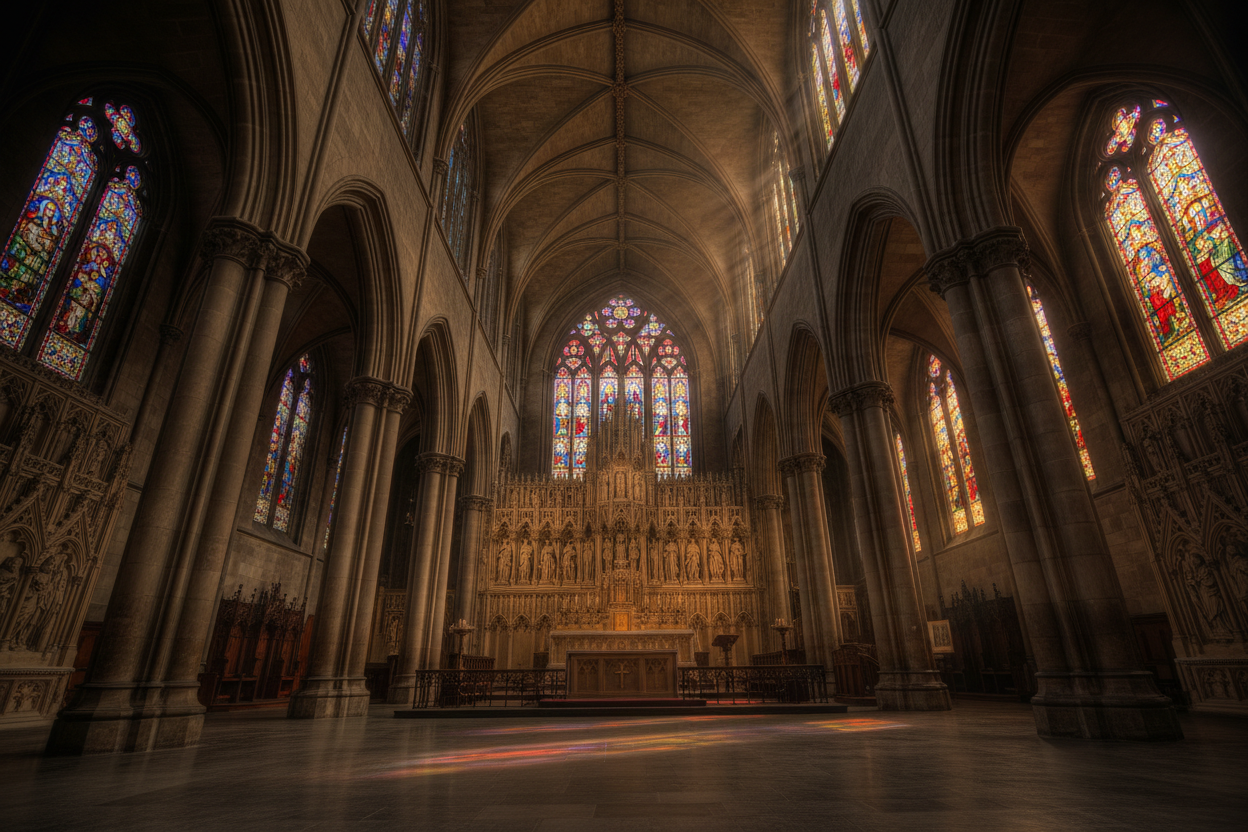
Inside, the soaring nave with its ribbed vaulting and clerestory windows creates an atmosphere of transcendence that Gothic Revival architects sought to achieve. The stunning stained glass windows, installed over several decades, include works by some of America’s finest glass artists. The reredos behind the altar, carved from Caen stone, represents one of the most elaborate examples of Gothic Revival decorative art in Philadelphia.
St. Mark’s Church: Victorian Gothic Grandeur
St. Mark’s Church in Center City represents the height of Victorian Gothic architecture in Philadelphia, with its dramatic spire reaching 250 feet into the sky. Built between 1847 and 1851, this Episcopal church was designed by John Notman in the English Perpendicular Gothic style, featuring elaborate stone tracery and soaring vertical lines that draw the eye heavenward.
The church’s interior showcases some of Philadelphia’s most impressive ecclesiastical art and architecture. The hand-carved stone reredos, created by local craftsmen, displays intricate Gothic Revival detailing that took years to complete. The stained glass windows, including several designed by the renowned Clayton and Bell studio of London, create a kaleidoscope of colored light that transforms throughout the day.
Architecture enthusiasts will appreciate the building’s structural innovations, including the use of iron reinforcement in the stone construction—an early example of combining traditional Gothic forms with modern engineering techniques. The church’s acoustic design is particularly noteworthy, with the stone interior and carefully calculated proportions creating exceptional sound quality for both spoken word and musical performances.
Mother Bethel A.M.E. Church: Historic Significance and Architectural Evolution
Mother Bethel A.M.E. Church holds the distinction of being the oldest piece of real estate continuously owned by African Americans in the United States, making it both an architectural and historical treasure. The current Romanesque Revival building, completed in 1890, represents the fourth church structure built on this sacred site since Richard Allen founded the congregation in 1794.
Designed by Hazlehurst and Huckel, the church features distinctive red brick construction with contrasting stone trim, creating a warm and welcoming exterior that reflects the congregation’s community-centered mission. The building’s robust Romanesque arches and solid masonry construction convey permanence and strength, symbols that held particular significance for the African American community during the late 19th century.
The interior preserves many original features, including beautiful stained glass windows that tell the story of African American religious heritage. The sanctuary’s design emphasizes community gathering, with curved pews that encourage congregational participation and excellent sightlines throughout the worship space. For architecture enthusiasts, Mother Bethel represents how building design can embody social and cultural values while maintaining aesthetic excellence.
St. Patrick’s Church: Irish Heritage in Stone
St. Patrick’s Church in Northern Liberties stands as a monument to Philadelphia’s Irish immigrant community and showcases beautiful Romanesque Revival architecture. Built in 1841 and later expanded, this Catholic church features distinctive stonework and proportions that reflect both Irish building traditions and American architectural innovation.
The church’s facade combines local materials with traditional Irish design elements, creating a unique architectural statement that honors the congregation’s heritage while fitting seamlessly into Philadelphia’s urban fabric. The bell tower, added in later renovations, provides a vertical accent that can be seen from blocks away, serving as a neighborhood landmark.
Inside, the church preserves many original decorative elements, including hand-painted ceiling frescoes and carved wooden altarpieces that demonstrate the skilled craftsmanship of 19th-century immigrant artisans. The stained glass windows, many depicting Irish saints and Celtic motifs, create a distinctive cultural atmosphere that sets St. Patrick’s apart from other Philadelphia churches.
Visiting Tips for Architecture Enthusiasts
When planning your architectural tour of Philadelphia’s beautiful churches, timing and preparation can significantly enhance your experience. Many of these historic buildings offer guided tours that provide insights into architectural details and construction techniques not visible during regular services. Contact individual churches in advance to inquire about tour availability and any special architectural programs they might offer.
Photography policies vary among churches, so always ask permission before taking pictures, especially during services or in areas with significant artwork. Many churches welcome architectural photography during designated times, and some even provide special access for serious photographers and researchers.
Consider visiting during different times of day to experience how natural light transforms these spaces. Morning light often highlights western facades and interior details differently than afternoon sun, while evening visits during services allow you to see these buildings as they were intended to be experienced—filled with community and purpose.
Conclusion: A Living Gallery of Sacred Architecture
Philadelphia’s churches represent more than individual architectural achievements—they form a comprehensive narrative of American building traditions, cultural heritage, and spiritual expression spanning over three centuries. From the colonial simplicity of Christ Church to the Gothic grandeur of Holy Trinity, each building offers unique insights into the periods, communities, and craftspeople who created these enduring masterpieces.
For architecture enthusiasts, these sacred spaces provide an unparalleled opportunity to study how religious buildings have evolved alongside American society while maintaining their essential purpose as places of worship and community gathering. The preservation efforts that have maintained these structures ensure that future generations can continue to learn from and be inspired by Philadelphia’s remarkable ecclesiastical architecture.
Whether you’re drawn to Gothic Revival spires, colonial craftsmanship, or innovative structural solutions, Philadelphia’s churches offer a rich architectural experience that rewards careful observation and thoughtful exploration. These buildings stand as testament to the enduring power of architecture to inspire, comfort, and bring communities together across the generations.