How Philadelphia’s Neighborhoods Are Gentrifying and What It Means for Visitors
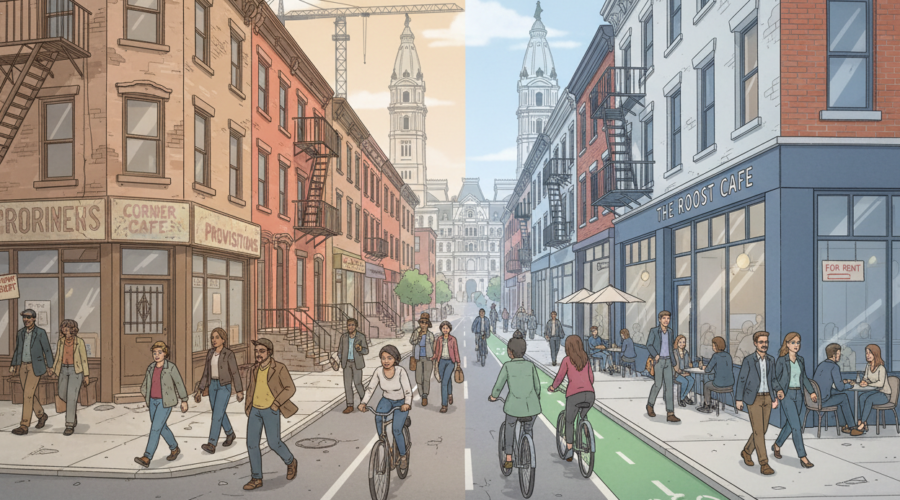
Philadelphia is experiencing a transformation that’s impossible to ignore. Once-neglected neighborhoods are buzzing with new restaurants, trendy coffee shops, and gleaming condos. While this revitalization brings exciting opportunities for visitors, it also tells a complex story of change that affects long-time residents in profound ways. Understanding Philadelphia’s gentrification patterns helps travelers make more informed choices about where to visit, stay, and spend their money while being mindful of the communities they’re exploring.
The City of Brotherly Love has always been a patchwork of distinct neighborhoods, each with its own character, history, and challenges. Today, many of these areas are caught in the midst of rapid change, creating a dynamic urban landscape that offers both incredible experiences for visitors and important lessons about urban development in America.
Understanding Gentrification in the Philadelphia Context
Gentrification in Philadelphia isn’t happening in a vacuum. The city’s affordable housing stock, compared to coastal cities like New York or San Francisco, has made it attractive to young professionals, artists, and developers looking for the next big opportunity. This influx of capital and new residents has sparked dramatic changes in neighborhoods that had remained relatively stable for decades.
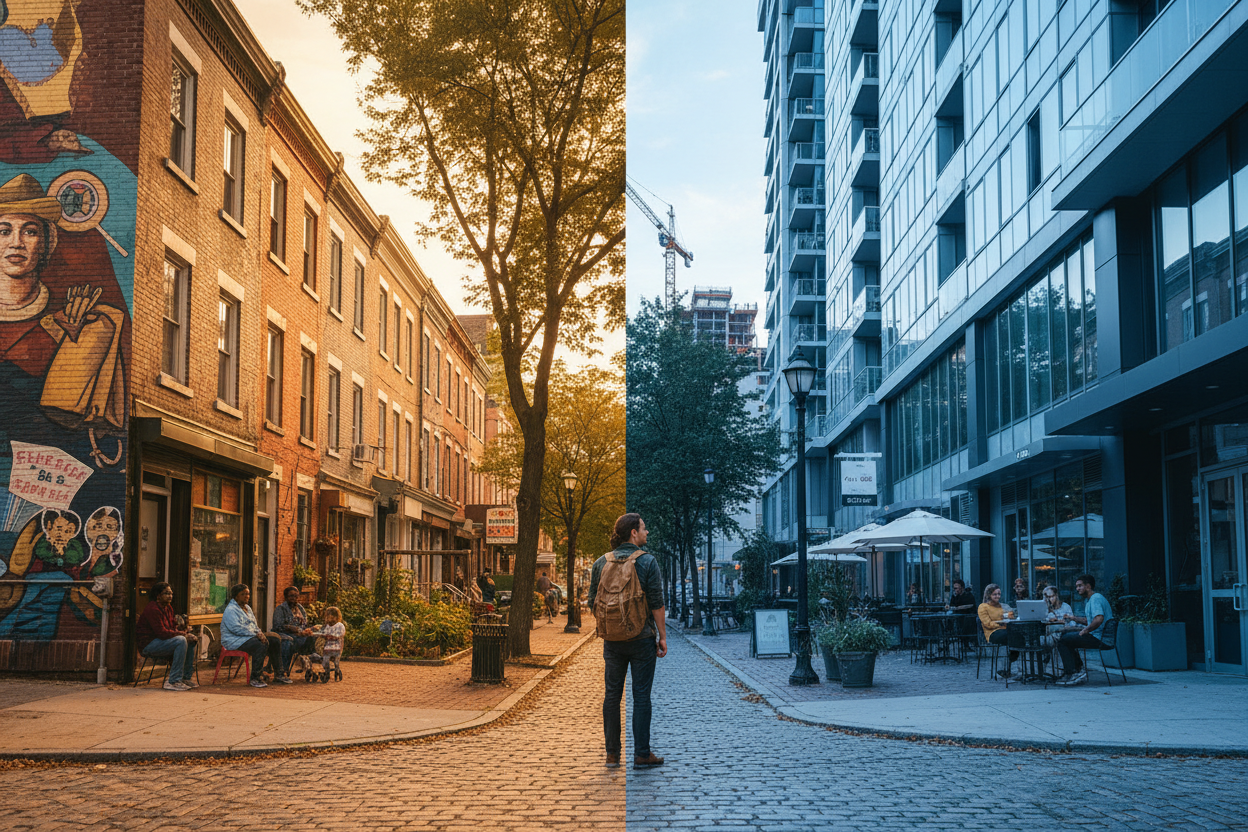
The process typically follows a familiar pattern: artists and young professionals move into affordable areas with good bones but limited amenities. They’re followed by small businesses, cafes, and galleries. Property values begin to rise, attracting developers and more affluent residents. Eventually, long-time residents may find themselves priced out of neighborhoods their families have called home for generations.
What makes Philadelphia’s situation particularly interesting is the speed at which this transformation is occurring. Unlike cities where gentrification has been a slow burn over decades, some Philadelphia neighborhoods have changed dramatically in just five to ten years, creating a stark contrast between old and new that visitors can observe firsthand.
Neighborhoods Leading the Gentrification Wave
Fishtown: From Industrial Grit to Hipster Haven
Perhaps no neighborhood exemplifies Philadelphia’s gentrification story better than Fishtown. Once a working-class area dominated by Irish and Polish families, Fishtown has become ground zero for the city’s creative renaissance. The transformation is visible on every corner, where century-old row houses now sit alongside sleek new developments.
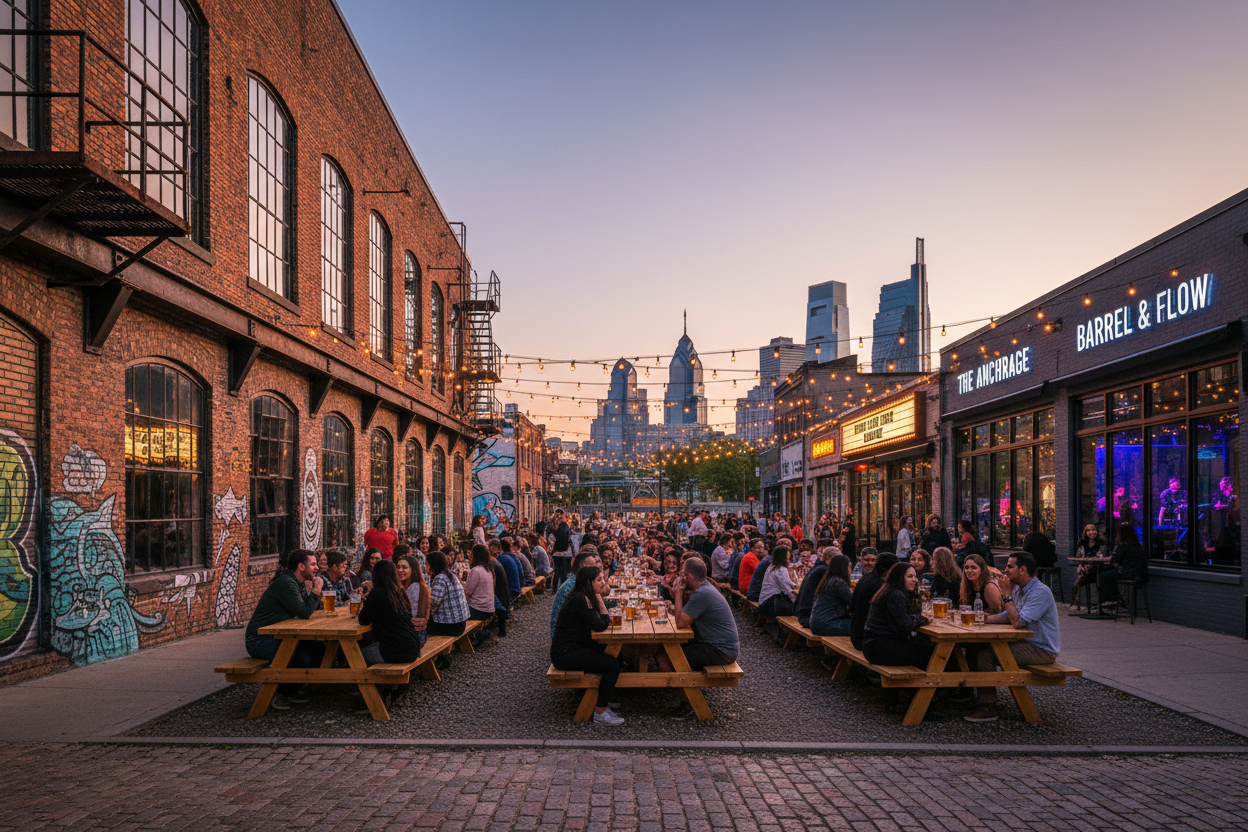
Visitors to Fishtown today will find an impressive array of craft breweries, including the famous Frankford Hall beer garden, innovative restaurants like Wm. Mulherin’s Sons, and music venues that attract touring acts from around the world. The neighborhood’s proximity to Center City, combined with its industrial architecture and relatively affordable rents, initially drew artists and musicians who created the cultural foundation that now attracts tourists.
However, this success has come at a cost. Many long-time residents have been displaced as property values have skyrocketed. The median home price in Fishtown has more than doubled in the past decade, fundamentally altering the neighborhood’s demographic makeup.
Northern Liberties: The Pioneer of Philadelphia Gentrification
Northern Liberties was one of the first Philadelphia neighborhoods to experience large-scale gentrification, beginning in the early 2000s. The area’s transformation from a post-industrial wasteland to a trendy destination happened relatively quickly, making it a case study in both the benefits and drawbacks of rapid neighborhood change.
Today’s visitors will find a polished district with upscale condos, trendy restaurants, and nightlife venues. The Piazza at Schmidt’s, a mixed-use development built on the site of a former brewery, exemplifies the neighborhood’s new identity. While the area offers excellent dining and entertainment options for tourists, it bears little resemblance to the community that existed here just two decades ago.
Point Breeze and Graduate Hospital: Residential Transformation
These adjacent neighborhoods in South Philadelphia represent a different type of gentrification, focused more on residential development than commercial transformation. Point Breeze, in particular, has seen an influx of young professionals attracted to its Victorian architecture and proximity to Center City.
The Graduate Hospital area, named for the former hospital that anchored the neighborhood, has become increasingly popular with families and young professionals. Visitors staying in vacation rentals or boutique accommodations in these areas will experience a more residential side of Philadelphia’s transformation, with tree-lined streets of renovated row houses and small, neighborhood-focused businesses.
What Gentrification Means for Philadelphia Visitors
Enhanced Amenities and Experiences
For visitors, gentrification has undeniably created more options for dining, entertainment, and accommodation. Neighborhoods that once had limited tourist infrastructure now boast world-class restaurants, craft cocktail bars, boutique hotels, and unique shopping experiences. The quality of public spaces has improved, with better lighting, cleaner streets, and more green spaces in many gentrified areas.
Food lovers, in particular, benefit from the culinary renaissance that often accompanies neighborhood transformation. Areas like Fishtown and Northern Liberties now offer everything from high-end farm-to-table restaurants to innovative food trucks and artisanal markets. The craft beer scene, which has exploded across gentrified neighborhoods, gives visitors access to some of the country’s most creative breweries.
Authentic Cultural Experiences at Risk
However, gentrification can also erode the authentic cultural experiences that make neighborhoods special in the first place. Long-standing businesses that gave areas their character may close due to rising rents or changing demographics. The corner stores, family restaurants, and community gathering places that reflected decades of neighborhood history might be replaced by chains or businesses catering to newcomers rather than long-time residents.
Visitors interested in authentic Philadelphia culture may find themselves in a paradox: the very improvements that make neighborhoods more accessible and comfortable for tourists can simultaneously diminish the genuine community character that made them worth visiting.
The Responsibility of Conscious Tourism
Understanding gentrification’s impact creates an opportunity for more conscious tourism. Visitors can make choices that support long-standing community businesses alongside newer establishments. This might mean eating at a family-run restaurant that’s been serving the neighborhood for decades, shopping at locally-owned stores, or staying in accommodations that contribute positively to the community.
Some travelers are specifically seeking out businesses owned by long-time residents or those that actively work to preserve neighborhood character while embracing positive change. This approach allows visitors to enjoy the benefits of neighborhood improvements while supporting economic development that includes rather than displaces existing communities.
Navigating Philadelphia’s Changing Landscape
Where to Stay and What to Expect
When choosing where to stay in Philadelphia, visitors should consider what type of experience they’re seeking. Newly gentrified areas offer polished amenities and easy access to trendy attractions, but may lack the authentic neighborhood feel that some travelers prefer. Areas in the early stages of gentrification might offer a more genuine experience but with fewer tourist-oriented services.
Neighborhoods like Fishtown and Northern Liberties are excellent for visitors who want to experience Philadelphia’s creative renaissance, with easy access to craft breweries, innovative restaurants, and cultural venues. However, these areas can be expensive and may feel somewhat disconnected from the city’s deeper cultural roots.
Areas like South Philadelphia, parts of which are experiencing gentler gentrification, might offer a better balance of authentic character and visitor amenities. Here, travelers can experience traditional Philadelphia culture while still having access to good restaurants and safe, walkable streets.
Supporting Responsible Development
Visitors can play a role in supporting responsible development by choosing businesses that demonstrate community engagement and cultural sensitivity. This might include restaurants that source ingredients locally, hotels that employ neighborhood residents, or tour companies that highlight both the area’s history and its current transformation in a balanced way.
Many of Philadelphia’s most interesting businesses are those that bridge old and new, honoring neighborhood history while contributing to positive change. These establishments often provide the most authentic and meaningful experiences for visitors while supporting sustainable community development.
Looking Forward: Philadelphia’s Evolving Identity
Philadelphia’s gentrification story is still being written, and visitors have the opportunity to witness and participate in this urban transformation. The city’s challenge is managing growth and change in ways that preserve community character while improving quality of life for all residents.
For travelers, this ongoing evolution means that Philadelphia offers a unique window into American urban development. The city provides examples of both successful neighborhood revitalization and cautionary tales about displacement and cultural loss. Understanding these dynamics enhances any visit to Philadelphia, providing context for the changes visible on every street corner.
The neighborhoods experiencing gentrification today will likely look very different in another decade. Visitors have the chance to experience these areas during a pivotal moment in their history, witnessing the complex interplay between preservation and progress that defines modern American cities.
As Philadelphia continues to evolve, the most successful neighborhoods will likely be those that find ways to embrace positive change while maintaining the community connections and cultural authenticity that made them special in the first place. For visitors, seeking out and supporting these balanced approaches to development ensures that tourism contributes positively to the ongoing story of Philadelphia’s transformation.
Philadelphia’s gentrification presents both opportunities and challenges for visitors seeking authentic urban experiences. By understanding these dynamics and making conscious choices about where to stay, eat, and spend money, travelers can enjoy the benefits of neighborhood improvements while supporting sustainable community development. The key is approaching these changing neighborhoods with curiosity, respect, and an awareness of the complex forces shaping modern American cities. In doing so, visitors become part of Philadelphia’s ongoing story rather than passive observers of its transformation.