How Philadelphia’s Weather Affects Your Visit: Seasonal Planning Guide
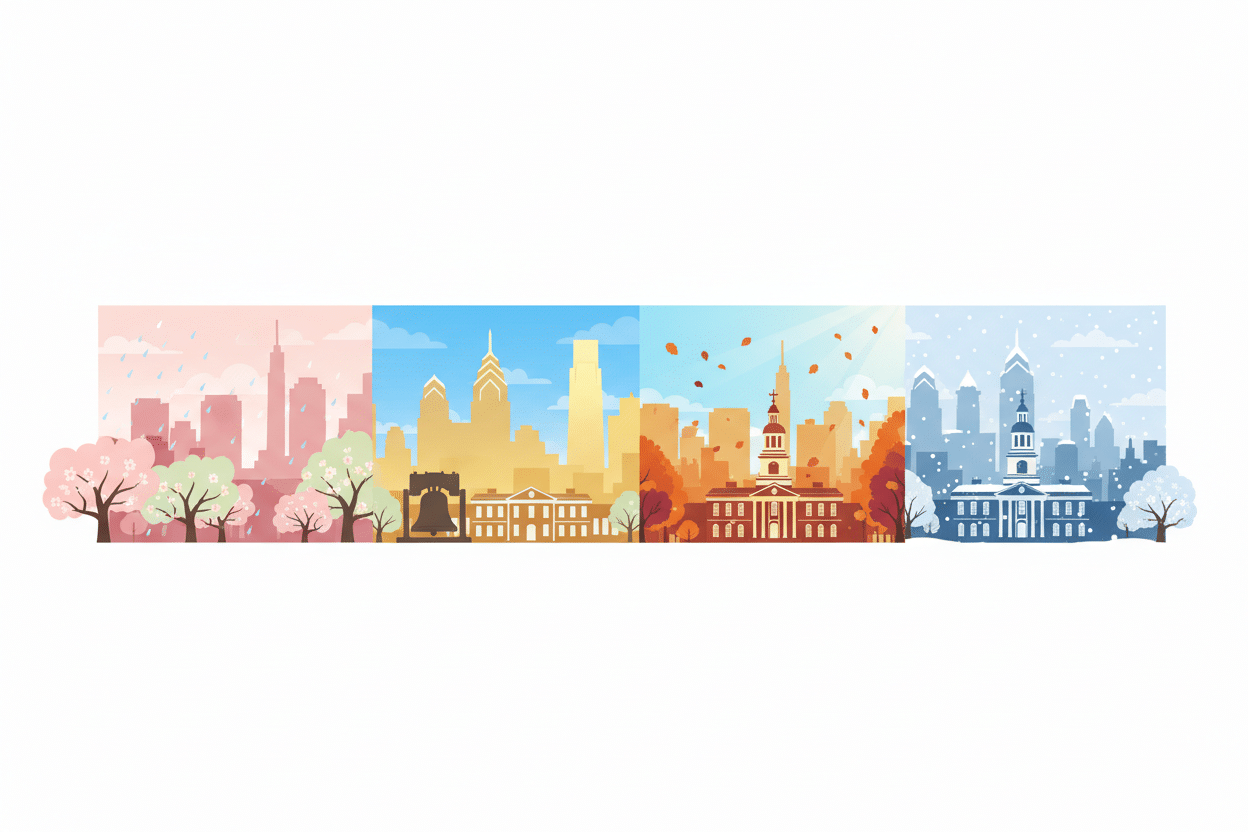
Philadelphia’s weather can make or break your travel experience, and understanding the city’s distinct seasonal patterns is crucial for planning the perfect visit. As someone who has lived through countless Philadelphia winters and sweltered through its humid summers, I can tell you that timing your trip right makes all the difference. The City of Brotherly Love experiences a true four-season climate, with each period offering unique advantages and challenges that will directly impact what you can do, what you should pack, and how much you’ll spend.
Whether you’re planning to explore Independence Hall, catch a Phillies game, or simply wander through the charming neighborhoods of Old City, Philadelphia’s weather will be your constant companion. From bone-chilling winters that can dump feet of snow to sweltering summers where the humidity makes you feel like you’re walking through soup, each season brings its own personality to this historic city. Let me walk you through what to expect throughout the year so you can plan accordingly.
Spring in Philadelphia: The City Awakens
Spring arrives in Philadelphia sometime between March and May, though Mother Nature doesn’t always follow the calendar. This season represents one of the most unpredictable times to visit, with temperatures that can swing from a chilly 40 degrees to a pleasant 70 degrees within the same week. March often feels more like winter’s last stand, while May typically offers a preview of the warmer months ahead.
The average temperatures during spring range from lows in the mid-40s to highs in the upper 60s by late May. However, don’t let these numbers fool you into thinking you can predict what to pack. Philadelphia’s spring weather is notorious for its mood swings. You might start your day in a light jacket and end it in shorts, or vice versa.
Rain becomes a frequent visitor during spring months, with April living up to its reputation for showers. The city receives about 3 to 4 inches of rainfall monthly during this period, so waterproof gear isn’t just recommended – it’s essential. I’ve learned the hard way that Philadelphia’s spring rain doesn’t mess around, often arriving as sudden downpours that can catch tourists off guard.
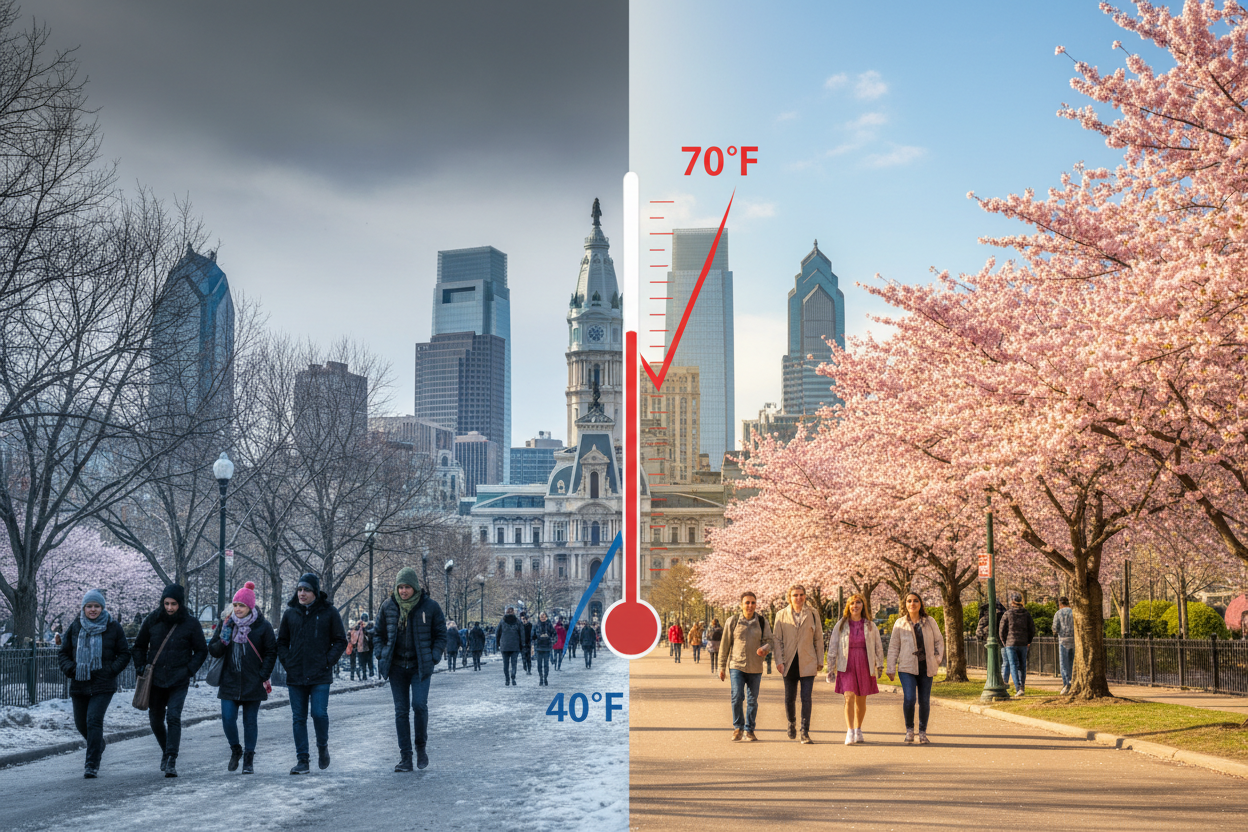
For visitors, spring offers the advantage of fewer crowds and lower hotel rates compared to peak summer season. The cherry blossoms around the city create stunning photo opportunities, particularly in Fairmount Park. However, you’ll need to stay flexible with outdoor plans and always have indoor alternatives ready. Museums like the Philadelphia Museum of Art and the Franklin Institute become perfect refuges during unexpected weather changes.
Summer in Philadelphia: Heat, Humidity, and Festivals
Philadelphia summers are not for the faint of heart. Running from June through August, summer brings intense heat combined with humidity levels that can make the air feel thick enough to swim through. Average high temperatures hover around 85 degrees, but the heat index often pushes the feeling into the 90s or even triple digits.
July stands as the hottest month, with temperatures regularly climbing above 90 degrees. The humidity, drawn up from the Delaware River and Atlantic Ocean, creates that sticky, oppressive feeling that makes you appreciate air conditioning like never before. Thunderstorms provide occasional relief, rolling through the city with dramatic flair and temporarily cooling things down.
Despite the challenging weather, summer represents peak tourist season for good reason. The city comes alive with outdoor festivals, concerts, and events. The Made in America festival, Philly Folk Festival, and countless street fairs take advantage of the long daylight hours. Baseball season is in full swing at Citizens Bank Park, though afternoon games can be brutally hot.
Smart summer visitors adjust their schedules accordingly. Plan outdoor activities for early morning or evening hours when temperatures are more bearable. The middle of the day is perfect for exploring air-conditioned attractions like the National Constitution Center or taking refuge in one of the city’s many excellent restaurants. Always carry water, wear sunscreen, and don’t underestimate how quickly the heat can drain your energy.
Fall in Philadelphia: Peak Season for Good Reason
Fall represents Philadelphia at its absolute best, and locals will tell you this is when the city truly shines. September through November brings comfortable temperatures, lower humidity, and some of the most beautiful weather you’ll experience anywhere on the East Coast. This is peak tourist season, and for good reason.
September still carries some summer warmth, with highs in the upper 70s to low 80s, but the oppressive humidity begins to lift. October delivers perfect weather with crisp mornings, comfortable afternoons, and cool evenings ideal for walking tours of historic districts. November can be variable, starting mild but often ending with the first hints of winter’s approach.
The fall foliage in and around Philadelphia creates a spectacular backdrop for sightseeing. Fairmount Park transforms into a canvas of reds, oranges, and golds, while day trips to nearby areas like Valley Forge or the Brandywine Valley offer even more dramatic autumn displays. The weather is perfect for outdoor activities, from walking the Independence Trail to exploring Eastern State Penitentiary.
However, fall’s popularity comes with trade-offs. Hotel rates reach their peak, and popular attractions can be crowded, especially on weekends. Book accommodations well in advance and consider visiting major sites early in the morning or later in the afternoon to avoid the biggest crowds. The weather is so reliable during this period that you can confidently plan outdoor activities without much worry about cancellations.
Winter in Philadelphia: Cold Reality and Hidden Charms
Philadelphia winters are serious business, lasting from December through February and sometimes extending into March. Average temperatures range from highs in the low 40s to lows in the mid-20s, but wind chill can make it feel much colder. Snow is a regular occurrence, with the city typically receiving 20 to 25 inches annually, though some winters bring much more.
January stands as the coldest month, when temperatures can plummet into the teens and stay there for days. The wind whipping off the Delaware River adds an extra bite that cuts through layers of clothing. Snowstorms can shut down the city, though Philadelphia’s snow removal crews are generally efficient at clearing major roads and tourist areas.
Winter might seem like the worst time to visit, but it offers unique advantages for savvy travelers. Hotel rates drop significantly, popular attractions have minimal crowds, and the city takes on a cozy, intimate atmosphere. The Christmas season brings beautiful decorations, holiday markets, and seasonal events that showcase Philadelphia’s community spirit.
Indoor attractions become your best friends during winter visits. The Philadelphia Museum of Art, Reading Terminal Market, and the city’s incredible restaurant scene provide warm refuges from the cold. Many hotels offer winter packages with significant savings. Just be prepared for the possibility of weather-related delays or cancellations, and pack accordingly with warm, waterproof clothing.
Packing Essentials for Each Season
Successful Philadelphia visits depend heavily on packing the right gear for the season. Spring requires layers and rain protection – think light jacket, waterproof shoes, and a compact umbrella. Don’t forget a sweater for cool evenings and comfortable walking shoes that can handle wet sidewalks.
Summer packing focuses on staying cool and protected from the sun. Lightweight, breathable fabrics are essential, along with a wide-brimmed hat, quality sunscreen, and plenty of water bottles. Air-conditioned venues provide relief, so bring a light layer for overly air-conditioned restaurants and museums.
Fall offers the easiest packing scenario with layers being your friend. A medium-weight jacket, comfortable jeans, and versatile shoes that work for both city walking and potential hiking in nearby parks serve you well. Early fall might require lighter clothing, while late fall calls for warmer options.
Winter demands serious cold-weather gear. A heavy coat, warm boots with good traction, gloves, hat, and scarf are non-negotiable. Layering becomes crucial for moving between heated indoor spaces and frigid outdoor temperatures. Waterproof boots are especially important for navigating slushy sidewalks after snowfall.
Weather-Related Activities and Attractions
Philadelphia’s attractions adapt beautifully to seasonal changes, offering different experiences throughout the year. Summer brings outdoor concerts to venues like the Mann Center and festivals that take over city streets. The Delaware River waterfront becomes a playground with outdoor dining, boat tours, and waterfront events.
Fall showcases the city’s historic charm with perfect weather for walking tours, outdoor markets, and exploring neighborhoods on foot. This is the ideal time for day trips to nearby attractions like Longwood Gardens or historic Valley Forge, where autumn colors enhance the already impressive sites.
Winter transforms Philadelphia into a cozy urban retreat. Indoor attractions like the Franklin Institute, Philadelphia Museum of Art, and countless historic sites provide fascinating ways to spend cold days. The restaurant scene, already impressive year-round, becomes even more appealing when you’re seeking warm, comforting meals.
Spring offers a mix of indoor and outdoor possibilities, with weather that can change quickly. Flexible planning becomes essential, but the season rewards visitors with blooming flowers, fewer crowds, and the excitement of a city emerging from winter hibernation.
Conclusion: Timing Your Philadelphia Adventure
Philadelphia’s weather will undoubtedly influence your visit, but understanding what to expect allows you to plan accordingly and make the most of your time in this incredible city. Each season offers its own rewards and challenges, from fall’s perfect weather and stunning foliage to winter’s cozy indoor attractions and summer’s vibrant festival scene.
The key to a successful Philadelphia visit lies in matching your expectations and preparations to the season you choose. Fall remains the gold standard for weather, but don’t overlook the unique charms and practical advantages of other seasons. Spring’s unpredictability keeps things interesting, summer’s heat enables incredible outdoor experiences, and winter’s cold creates an intimate atmosphere perfect for exploring the city’s rich indoor offerings.
Regardless of when you visit, Philadelphia’s weather becomes part of your story. Embrace it, prepare for it, and let it guide you toward experiences you might not have discovered otherwise. After all, there’s something uniquely Philadelphia about pushing through a summer heat wave to reach an air-conditioned cheesesteak shop or warming up with hot chocolate after exploring Independence Hall on a crisp winter day. The weather isn’t just a factor in your visit – it’s an integral part of the Philadelphia experience.