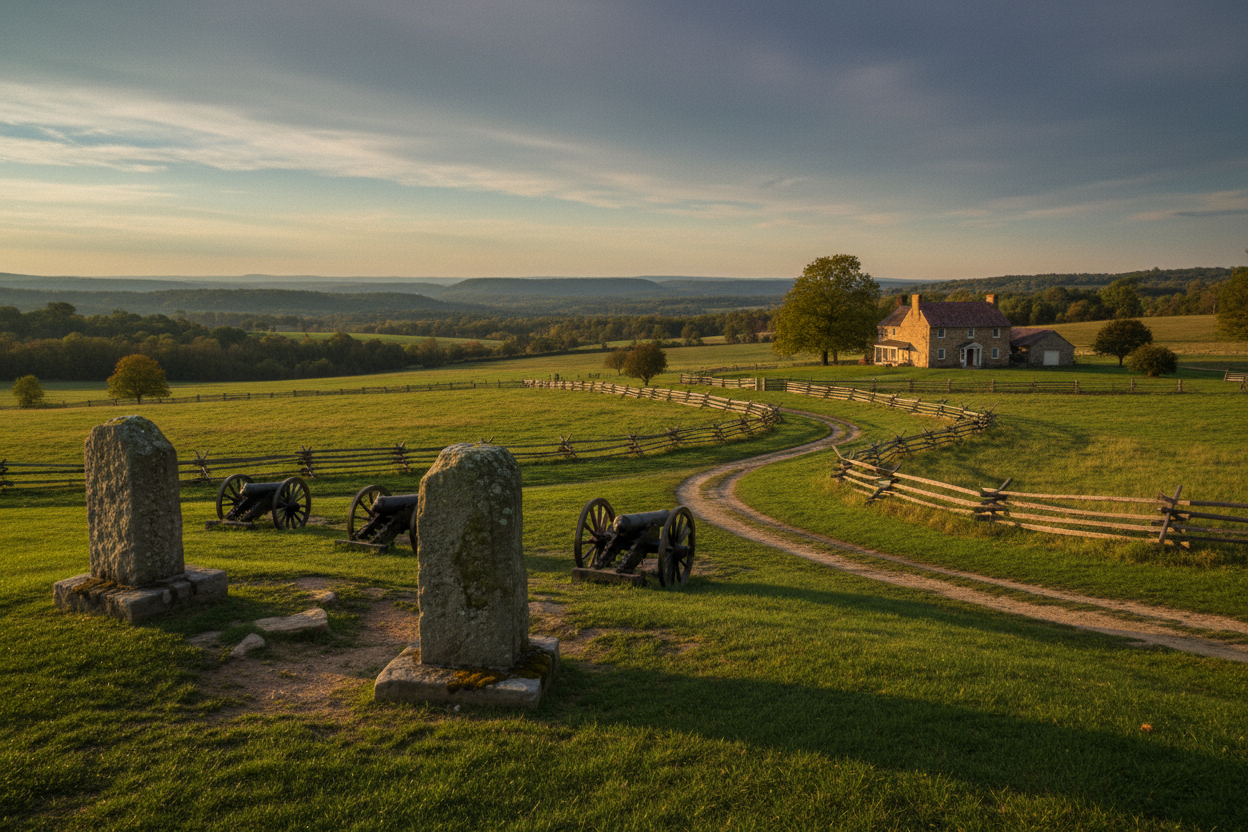
How to Experience Philadelphia’s Revolutionary War Battlefields: A Complete Guide to America’s Historic Battlegrounds
Philadelphia stands as one of America’s most historically significant cities, serving as the birthplace of our nation and witness to pivotal moments during the Revolutionary War. The greater Philadelphia area is home to several crucial battlefields where American patriots fought for independence, each offering unique insights into the struggles and triumphs that shaped our country. Whether you’re a history enthusiast, educator, or simply curious about America’s founding story, exploring these Revolutionary War sites provides an unforgettable journey through time.
From the fog-shrouded fields of Brandywine to the winter encampment at Valley Forge, these historic locations offer visitors the chance to walk in the footsteps of George Washington, Marquis de Lafayette, and countless brave soldiers who sacrificed everything for freedom. This comprehensive guide will help you plan your Revolutionary War battlefield tour, ensuring you make the most of your visit to these sacred grounds where American independence was forged.
Valley Forge National Historical Park: Where Perseverance Triumphed
Valley Forge National Historical Park represents perhaps the most emotionally powerful Revolutionary War site near Philadelphia. During the brutal winter of 1777-1778, George Washington’s Continental Army endured unimaginable hardships at this encampment, transforming from a struggling militia into a disciplined fighting force that would ultimately secure American independence.
The park spans over 3,500 acres and offers multiple ways to experience this historic site. Start your visit at the Valley Forge Visitor Center, where interactive exhibits and a compelling film narrate the story of that pivotal winter. The center houses original artifacts, including weapons, clothing, and personal items that belonged to the soldiers who called Valley Forge home for six months.

One of the most moving experiences at Valley Forge is walking through the reconstructed soldier huts. These small, cramped quarters housed twelve men each, and stepping inside helps visitors understand the cramped, cold conditions the Continental Army endured. The park has rebuilt several huts based on archaeological evidence and historical records, complete with authentic furnishings and layouts.
Don’t miss Washington’s Headquarters at the Isaac Potts House, where the Commander-in-Chief lived and planned military strategies. The house has been carefully restored to its 18th-century appearance, and guided tours provide fascinating insights into Washington’s leadership during this critical period. The nearby Memorial Arch, completed in 1917, serves as a powerful tribute to the soldiers’ sacrifice and determination.
Brandywine Battlefield Park: The Largest Land Battle of the Revolutionary War
Located about 25 miles southwest of Philadelphia, Brandywine Battlefield Park commemorates the site of the largest single-day battle of the Revolutionary War. On September 11, 1777, British forces under General William Howe clashed with American troops led by George Washington in a complex battle that ultimately resulted in British victory but demonstrated American resilience.
The battlefield park offers several interpretive trails that guide visitors through key locations where the fighting occurred. The 1.5-mile Battlefield Trail takes you past important sites including Sandy Hollow, where American forces made their stand, and Birmingham Hill, where some of the fiercest fighting took place. Interpretive markers along the trail provide detailed accounts of troop movements and battle tactics.
The park’s visitor center features exhibits explaining the battle’s significance and its impact on the Revolutionary War’s trajectory. Interactive maps help visitors understand the complex maneuvering that characterized this engagement, where British forces successfully outflanked American positions through superior intelligence and tactical execution.
Two historic houses within the park offer additional insights into colonial life during wartime. The Benjamin Ring House served as Lafayette’s quarters before the battle, while the Gideon Gilpin House functioned as a meeting place for American officers. Both buildings have been restored and furnished with period-appropriate items, providing glimpses into 18th-century domestic life during wartime.
Washington Crossing Historic Park: The Turning Point
Washington Crossing Historic Park spans both Pennsylvania and New Jersey, commemorating one of the most famous moments in American military history. Here, on the night of December 25-26, 1776, George Washington led his Continental Army across the ice-choked Delaware River for a surprise attack on Hessian forces in Trenton, New Jersey.
The Pennsylvania side of the park features several historic buildings where Washington and his officers prepared for the crossing. The Thompson-Neely House served as headquarters for officers, while the nearby Bowman’s Hill Tower offers panoramic views of the Delaware River and surrounding countryside. The tower, built in 1930, provides an excellent vantage point for understanding the geography that influenced Washington’s strategic decisions.
The park’s crown jewel is the exact spot where Washington’s army embarked on their perilous crossing. A large granite monument marks the location, and during winter months, visitors can truly appreciate the courage required to navigate the treacherous, ice-filled river. The park regularly hosts reenactments of the crossing, particularly around Christmas, bringing this pivotal moment to life with authentic boats, period costumes, and careful attention to historical detail.
The Visitor Center houses important artifacts related to the crossing, including weapons, equipment, and personal items from the Continental Army. Interactive exhibits explain the military situation that made this desperate gamble necessary and how its success revitalized the American cause when defeat seemed imminent.
Fort Mifflin: Philadelphia’s Forgotten Fortress
Often overlooked by casual visitors, Fort Mifflin played a crucial role in defending Philadelphia during the Revolutionary War. Located on Mud Island in the Delaware River, this star-shaped fortress withstood a 40-day siege by British forces in 1777, significantly delaying their advance on Philadelphia and buying precious time for the Continental Army.
Today, Fort Mifflin offers one of the most authentic Revolutionary War experiences available near Philadelphia. The fort’s original walls, barracks, and defensive positions remain largely intact, providing visitors with an unparalleled opportunity to explore an actual Revolutionary War fortification. Walking through the casements and climbing onto the ramparts gives visitors a soldier’s-eye view of 18th-century military engineering.
The fort’s museum contains artifacts recovered from archaeological excavations, including cannonballs, musket parts, and personal items left by the garrison. Guided tours led by knowledgeable interpreters bring the siege to life, explaining how a small American garrison held off the British Navy for over a month despite overwhelming odds.
Fort Mifflin regularly hosts living history events where costumed interpreters demonstrate colonial military life, including musket firing, artillery operations, and period crafts. These events provide excellent opportunities for families to engage with history in an interactive, educational environment.
Planning Your Revolutionary War Battlefield Tour
Successfully experiencing Philadelphia’s Revolutionary War battlefields requires thoughtful planning to maximize your time and educational experience. Most visitors find that dedicating 2-3 days allows for thorough exploration of the major sites without feeling rushed.
Consider purchasing a Philadelphia CityPASS or similar discount package that includes admission to multiple historic sites. Many locations offer combination tickets that provide savings when visiting multiple Revolutionary War sites in the region. Check each site’s website for current hours, admission fees, and any special programs or reenactments scheduled during your visit.
Transportation between sites varies in complexity. Valley Forge and Washington Crossing are easily accessible by car and offer ample parking. Fort Mifflin requires more planning, as it’s located on an island and has limited access. Brandywine Battlefield is about a 45-minute drive from center city Philadelphia, making it perfect for a half-day excursion.
Weather plays a significant role in battlefield visits, particularly during winter months when some sites have limited hours or may be closed. Spring and fall offer ideal visiting conditions with comfortable temperatures and beautiful scenery. Summer visits are popular but can be hot and humid, so plan accordingly with water and sun protection.
Enhancing Your Experience: Tips for Revolutionary War Battlefield Visits
To truly appreciate these historic sites, consider hiring a licensed battlefield guide or joining organized tours led by expert historians. Many sites offer specialized programs for different interests, from military history enthusiasts to families with young children. Advanced reservations are often required for guided tours, especially during peak tourist seasons.
Bring comfortable walking shoes, as exploring battlefields involves considerable walking over varied terrain. Many sites have unpaved trails that can become muddy after rain. A small backpack with water, snacks, and basic first aid supplies will enhance your comfort during extended visits.
Photography enthusiasts will find endless opportunities at these sites, but be respectful of any restrictions, particularly inside historic buildings or during formal ceremonies. Early morning and late afternoon light provide the best conditions for capturing the atmospheric beauty of these historic landscapes.
Consider timing your visit to coincide with special events or commemorative ceremonies. Many sites host annual reenactments, memorial services, or educational programs that provide deeper insights into Revolutionary War history. These events often feature expert speakers, period demonstrations, and opportunities to interact with knowledgeable historians.
Conclusion: Connecting with America’s Revolutionary Heritage
Experiencing Philadelphia’s Revolutionary War battlefields offers far more than a simple history lesson – it provides a profound connection to the courage, sacrifice, and determination that created our nation. Walking these hallowed grounds where American independence was forged helps visitors understand the real human cost of freedom and the extraordinary circumstances that brought our country into existence.
Each battlefield tells a unique story, from the desperate winter endurance at Valley Forge to the bold river crossing at Washington Crossing. Together, these sites create a comprehensive narrative of the Revolutionary War’s Philadelphia campaign and its lasting impact on American history. The preservation of these locations ensures that future generations can continue learning from and being inspired by the patriots who fought for liberty.
Whether you’re exploring these sites as part of a family vacation, educational trip, or personal pilgrimage, Philadelphia’s Revolutionary War battlefields offer transformative experiences that bring American history to life. Take time to reflect on the significance of these places, honor the memory of those who served, and carry their legacy forward as engaged citizens of the nation they helped create.