The Complete Guide to Philadelphia’s Seasonal Farmers Markets
Philadelphia’s farmers markets are more than just places to buy fresh produce – they’re vibrant community hubs where the city’s agricultural heritage comes alive throughout the seasons. From the bustling spring markets overflowing with tender greens to winter gatherings featuring hearty root vegetables and artisanal goods, these markets offer an authentic taste of local culture and seasonal eating.
Whether you’re a longtime resident or a curious visitor, navigating Philadelphia’s diverse farmers market scene can feel overwhelming. Each season brings its own unique offerings, schedules, and specialties. This comprehensive guide will help you discover the best markets, understand seasonal availability, and make the most of your farmers market experience year-round.
Spring Markets: Fresh Beginnings and Early Harvests
Spring in Philadelphia brings a renewed energy to the farmers market scene. As temperatures warm and daylight hours extend, local farms begin producing the season’s first fresh offerings. Spring markets typically run from March through May, though exact dates depend on weather conditions and individual market schedules.
During spring months, you’ll find an abundance of leafy greens like spinach, arugula, and various lettuce varieties. Asparagus makes its highly anticipated debut, often selling out quickly due to its short season. Radishes, scallions, and fresh herbs like cilantro and parsley add vibrant flavors to spring meals. Many vendors also offer early strawberries, though peak berry season comes later.
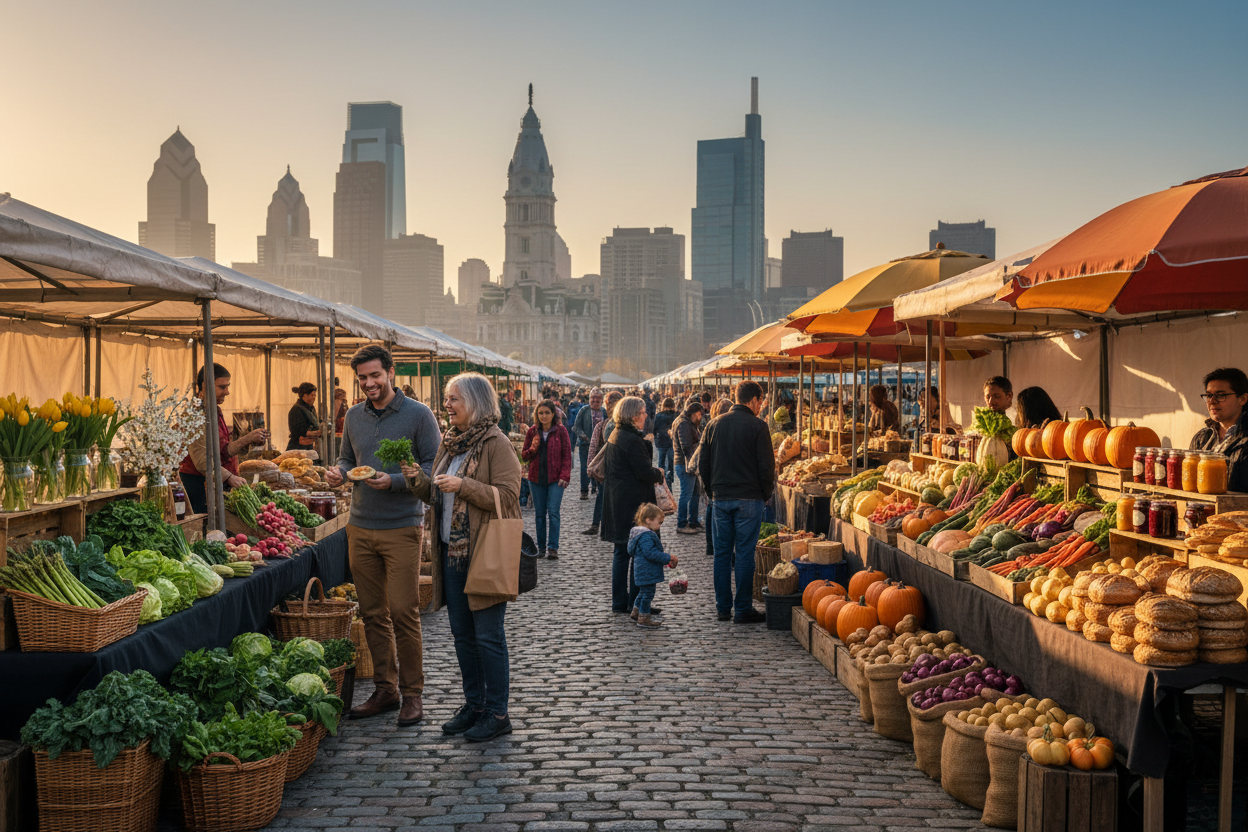
The Clark Park Farmers Market in West Philadelphia is particularly noteworthy during spring. Running every Saturday from 10 AM to 2 PM, this market features over twenty local vendors offering everything from organic vegetables to fresh-baked bread. The market’s location in the heart of University City makes it easily accessible by public transportation.
Spring is also an excellent time to establish relationships with vendors. Farmers are often less rushed than during peak summer season, giving you opportunities to learn about their growing practices and get recommendations for preparing unfamiliar vegetables.
Summer Markets: Peak Season Abundance
Summer represents the golden age of Philadelphia farmers markets. From June through August, markets overflow with colorful produce, and many locations extend their hours or add additional market days to accommodate increased demand.
The Reading Terminal Market, while operating year-round, truly shines during summer months. This indoor market houses several farm stands alongside prepared food vendors, making it perfect for hot summer days when outdoor markets might feel overwhelming. The variety during summer is staggering – tomatoes in dozens of varieties, sweet corn, zucchini, summer squash, berries, stone fruits, and an incredible array of herbs and flowers.
Rittenhouse Square Farmers Market becomes a Saturday morning destination for many Philadelphians during summer. Operating from 9 AM to 2 PM, this market combines the elegance of its upscale neighborhood with the authenticity of local farming. The market features not only produce but also artisanal cheeses, fresh pasta, and locally-made preserves.
Summer markets also showcase Philadelphia’s growing urban farming movement. Several vendors represent city-based growing operations, bringing hyperlocal produce that was harvested just hours before market opening. These urban farms often specialize in salad greens, herbs, and specialty vegetables that transport well over short distances.
Fall Markets: Harvest Celebrations and Comfort Foods
Fall farmers markets in Philadelphia capture the essence of harvest season. September through November brings cooler temperatures, changing leaves, and some of the year’s most satisfying produce. This season perfectly balances the abundance of late summer with the hearty vegetables that will sustain us through winter.
Apple varieties take center stage during fall months. Pennsylvania’s apple heritage shines through at markets, with vendors offering everything from classic varieties like Honeycrisp and Granny Smith to heirloom types you won’t find in grocery stores. Many farms also bring fresh apple cider, apple butter, and other apple-based products.
Winter squash varieties appear in impressive displays – butternut, acorn, delicata, and more unusual types like honeynut squash. Root vegetables like carrots, beets, turnips, and sweet potatoes reach peak quality during fall months. Brussels sprouts, cauliflower, and cabbage family vegetables thrive in cooler weather, offering perfect ingredients for warming autumn meals.
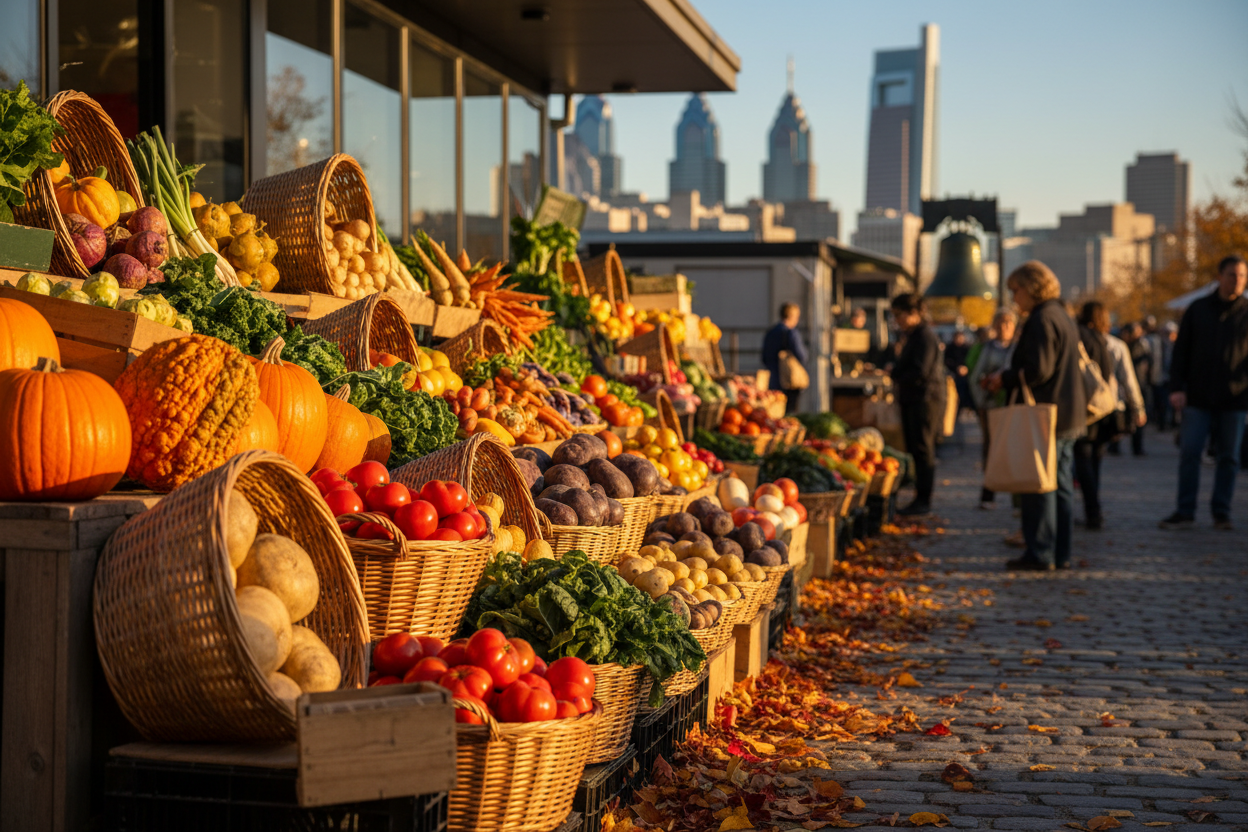
The Headhouse Square Farmers Market in Society Hill extends its season through fall, operating Saturdays from 9 AM to 1 PM. This historic location, dating back to colonial times, provides an atmospheric setting for fall shopping. The market’s cobblestone surroundings and historic buildings create a uniquely Philadelphia experience.
Winter Markets: Cozy Gatherings and Preserved Goods
While many assume farmers markets close during Philadelphia’s winter months, several markets continue operating with modified schedules and offerings. Winter markets, typically running from December through February, focus on storage crops, preserved goods, and products that don’t require fresh harvesting.
Root vegetables dominate winter market selections. Potatoes in multiple varieties, carrots, parsnips, turnips, and rutabagas store well and provide essential nutrition during colder months. Many vendors offer these vegetables in larger quantities, perfect for batch cooking and meal preparation.
Winter markets also highlight the creativity of local food producers. You’ll find an expanded selection of preserved goods – pickled vegetables, fermented products, jams, jellies, and canned goods. Local meat producers often increase their presence during winter months, offering grass-fed beef, pasture-raised pork, and free-range poultry.
The Pennsylvania Horticultural Society’s Pop Up Markets operate in various locations throughout winter, bringing farmers market experiences to neighborhoods that might not have year-round access. These markets often feature indoor locations like community centers or churches, providing warm environments for winter shopping.
Finding the Right Market for Your Needs
Philadelphia’s farmers markets vary significantly in size, focus, and atmosphere. Understanding these differences helps you choose markets that match your preferences and needs.
Location plays a crucial role in market selection. Markets in Center City tend to be larger and more diverse but also more crowded. Neighborhood markets in areas like Northern Liberties, Fishtown, or South Philadelphia often provide more intimate experiences with stronger community connections.
Some markets specialize in organic or sustainable farming practices, while others focus on affordability and accessibility. The Greensgrow Farmers Market in Kensington emphasizes community engagement and accepts SNAP benefits, making fresh produce accessible to residents regardless of income level.
Market timing also varies considerably. While most markets operate on weekend mornings, some offer weekday options for those who can’t shop on weekends. The FDR Park Farmers Market, for example, operates on Wednesday evenings during summer months, serving commuters and families looking for convenient weekday shopping.
Making the Most of Your Market Experience
Successful farmers market shopping requires some strategy and preparation. Arriving early ensures the best selection, especially for popular items like fresh berries or specialty vegetables. However, shopping near closing time sometimes yields discounts as vendors prefer selling remaining inventory rather than packing it up.
Bringing reusable bags and small bills makes transactions smoother. Many vendors appreciate exact change, and some smaller operations may not accept credit cards. A cooler or insulated bags help maintain produce quality, especially during hot summer months or when making multiple stops.
Don’t hesitate to ask questions about unfamiliar vegetables or preparation methods. Farmers and vendors often provide excellent cooking suggestions and can recommend varieties based on your taste preferences. Many vendors also offer samples, helping you make informed decisions about new or expensive items.
Building relationships with regular vendors can lead to special opportunities. Some farmers will take advance orders for specific items or quantities, particularly useful for meal planning or special occasions. Others might offer bulk pricing for larger purchases or notify regular customers about special harvests.
Supporting Local Agriculture Through Market Shopping
Shopping at Philadelphia farmers markets supports local agriculture and strengthens regional food systems. Your purchases directly benefit small-scale farmers who often struggle to compete with large agricultural operations and imported produce.
Local purchasing also provides environmental benefits. Produce travels shorter distances, reducing transportation-related emissions. Many market vendors use sustainable farming practices, though not all carry organic certification due to cost considerations.
Farmers markets also preserve agricultural knowledge and biodiversity. Many vendors grow heirloom varieties or unusual crops that aren’t commercially viable for large-scale agriculture. By purchasing these items, you help maintain genetic diversity and traditional growing knowledge.
Philadelphia’s farmers markets represent a vital connection between urban consumers and regional agriculture. Each season brings new opportunities to discover fresh flavors, support local businesses, and participate in sustainable food systems. Whether you’re seeking the tender greens of spring, the abundant harvests of summer, the comfort foods of fall, or the preserved bounty of winter, Philadelphia’s seasonal farmers markets offer year-round access to the best of local agriculture. Start exploring these community treasures, and you’ll discover that farmers market shopping becomes not just a way to buy food, but a celebration of seasons, community, and the enduring relationship between people and the land that feeds them.