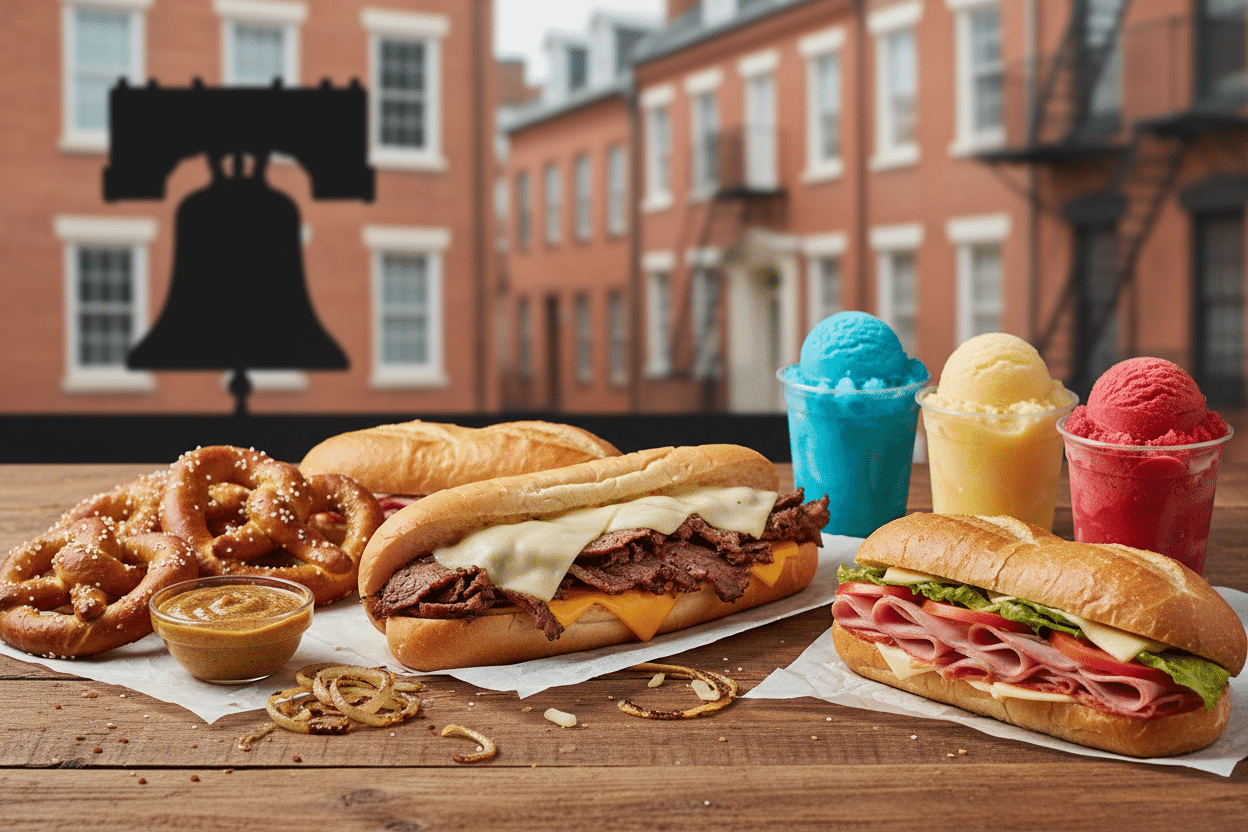
Why Philadelphia is the Most Underrated Food City in America: A Culinary Deep Dive
When food enthusiasts discuss America’s greatest culinary destinations, the conversation typically centers around New York’s diversity, San Francisco’s innovation, or New Orleans’ soul-stirring traditions. Yet there’s a city that quietly serves up some of the nation’s most authentic, creative, and downright delicious food while remaining surprisingly overlooked by the mainstream food media. That city is Philadelphia, and it’s time we give the City of Brotherly Love the culinary recognition it truly deserves.
Philadelphia’s food scene represents something increasingly rare in today’s Instagram-driven dining culture: genuine authenticity paired with remarkable innovation. From the legendary cheesesteaks that put the city on the culinary map to the James Beard Award-winning restaurants that continue to surprise critics, Philadelphia offers a dining experience that’s both deeply rooted in tradition and boldly forward-thinking.
The Foundation: Philadelphia’s Rich Culinary Heritage
To understand why Philadelphia deserves recognition as America’s most underrated food city, we need to start with its foundation. The city’s culinary identity was shaped by waves of immigration that brought distinct flavors and techniques from around the world. Italian immigrants settled in South Philadelphia, creating an authentic Italian-American food culture that rivals anything found in New York’s Little Italy. Meanwhile, the city’s significant African American population contributed soul food traditions that evolved into something uniquely Philadelphian.
This multicultural foundation created a food scene built on authenticity rather than trends. Walk through the Italian Market on 9th Street, and you’ll find fourth-generation family businesses still making fresh pasta and curing meats using recipes passed down through generations. These aren’t tourist attractions masquerading as authentic experiences – they’re the real deal, serving the same communities they’ve fed for decades.
The city’s working-class roots also fostered a culture where good food had to be accessible and substantial. This practical approach to dining created an environment where creativity flourished within constraints, leading to innovations that prioritized flavor and value over flashy presentation.
Beyond the Cheesesteak: Philadelphia’s Diverse Food Landscape
While the cheesesteak remains Philadelphia’s most famous culinary export, reducing the city’s food scene to this single dish does a tremendous disservice to its diversity. Yes, the cheesesteak is important – and when done right at places like Pat’s, Geno’s, or the lesser-known but equally excellent John’s Roast Pork, it’s a transcendent experience. But Philadelphia’s culinary landscape extends far beyond thinly sliced beef and Cheez Whiz.
Take the hoagie, for instance. While other cities have their submarine sandwiches, Philadelphia’s hoagie represents a perfect balance of quality meats, sharp provolone, fresh vegetables, and that crucial blend of oil, vinegar, and oregano. The city’s Vietnamese community has also made their mark with banh mi that rivals those found in Westminster, California, often served from unassuming corner stores that locals guard as closely held secrets.
Philadelphia’s breakfast scene deserves particular attention. The city’s scrapple – a loaf of cornmeal and pork scraps that sounds unappetizing but tastes incredible when properly prepared – represents the kind of nose-to-tail cooking that trendy restaurants now charge premium prices for. Local diners have been perfecting this dish for generations, serving it alongside perfectly crispy hash browns and eggs cooked exactly how you want them.
The New Guard: Modern Philadelphia Restaurants Making Waves
While Philadelphia honors its culinary traditions, the city’s contemporary restaurant scene proves that innovation and authenticity can coexist beautifully. Restaurants like Zahav have earned national recognition for their modern Israeli cuisine, with chef Michael Solomonov winning multiple James Beard Awards for his innovative approach to Middle Eastern flavors.
The city’s farm-to-table movement has deep roots, with restaurants like Vetri Cucina showcasing how Italian techniques can highlight local Pennsylvania ingredients. Chef Marc Vetri’s approach to pasta-making has influenced a generation of Philadelphia chefs who understand that great food starts with exceptional ingredients treated with respect and skill.
What sets Philadelphia’s modern dining scene apart is its lack of pretension. Even the city’s most acclaimed restaurants maintain an approachability that reflects Philadelphia’s unpretentious character. You can enjoy world-class cuisine without the attitude that sometimes accompanies fine dining in other major cities.
Neighborhoods like Fishtown and Northern Liberties have become incubators for young chefs who combine technical skill with creative freedom. These areas offer affordable rents that allow culinary entrepreneurs to take risks and experiment without the crushing overhead costs that plague restaurateurs in cities like New York or San Francisco.
The Neighborhood Gems: Where Locals Really Eat
Philadelphia’s greatest culinary treasures often hide in plain sight within the city’s diverse neighborhoods. South Philadelphia’s Italian-American restaurants serve red sauce classics that have remained unchanged for decades, not out of stubbornness but because they’ve achieved perfection. Places like Villa di Roma have been serving the same families for generations, creating a dining experience that feels more like visiting relatives than eating at a restaurant.
The city’s Chinatown, while smaller than those in New York or San Francisco, punches above its weight in terms of authenticity and quality. Restaurants like Nan Zhou Hand Drawn Noodle House serve fresh noodles made by hand throughout the day, while dim sum spots offer weekend experiences that rival anything found on the West Coast.
Philadelphia’s African American community has created a soul food scene that extends far beyond the typical fried chicken and mac and cheese. Restaurants in West Philadelphia serve regional specialties that reflect the Great Migration’s influence on the city’s culinary landscape. These establishments often operate as community gathering places where food serves as both sustenance and cultural preservation.
The Craft Beverage Revolution
No discussion of Philadelphia’s food scene would be complete without acknowledging the city’s remarkable craft beverage culture. Philadelphia’s brewing heritage dates back centuries, and the modern craft beer movement has embraced this history while pushing boundaries in new directions.
Breweries like Yards Brewing Company honor Philadelphia’s brewing traditions while experimenting with innovative techniques and ingredients. The city’s beer scene benefits from Pennsylvania’s relatively relaxed regulations regarding brewery operations, allowing establishments to serve food alongside their craft brews and create comprehensive dining experiences.
Philadelphia’s coffee culture has also evolved dramatically over the past decade. Local roasters like La Colombe and ReAnimator Coffee have gained national recognition for their approach to sourcing and roasting beans. These companies started in Philadelphia but have expanded to other major cities, carrying the city’s coffee culture beyond its borders.
Why Philadelphia Remains Underrated
Despite all these culinary strengths, Philadelphia continues to fly under the radar as a food destination. Part of this stems from the city’s own character – Philadelphians are notoriously skeptical of hype and prefer to let their food speak for itself rather than engaging in the kind of self-promotion that drives food media coverage.
The city also suffers from its proximity to New York, which tends to overshadow Philadelphia’s achievements in food media coverage. When food writers and influencers visit the Northeast, they typically focus on New York’s latest openings rather than exploring Philadelphia’s established excellence.
Philadelphia’s affordability, while beneficial for diners, may actually work against its reputation in food circles that sometimes equate high prices with quality. The city’s exceptional value proposition means you can eat remarkably well without spending the kind of money that generates buzz in food magazines.
The Future of Philadelphia’s Food Scene
Philadelphia’s culinary future looks incredibly bright. The city continues to attract young chefs who appreciate its combination of affordable operating costs, strong local ingredient sources, and supportive dining community. Food halls like Reading Terminal Market provide platforms for emerging food entrepreneurs to test concepts and build followings before opening standalone restaurants.
The city’s commitment to supporting local agriculture through farmers’ markets and farm-to-table initiatives ensures that Philadelphia’s restaurants will continue to have access to exceptional ingredients. Pennsylvania’s diverse agricultural landscape provides everything from mushrooms and apples to grass-fed beef and artisanal cheeses.
Philadelphia’s food scene is also benefiting from increased diversity as new immigrant communities establish themselves in the city. Recent arrivals from Southeast Asia, Latin America, and Africa are adding new flavors and techniques to the city’s culinary landscape while maintaining the authenticity that has always characterized Philadelphia dining.
Philadelphia stands as America’s most underrated food city not because it lacks quality or innovation, but because it embodies values that don’t always translate into flashy media coverage. The city offers authentic experiences, exceptional value, and genuine hospitality in a dining landscape that prioritizes substance over style. For food lovers willing to look beyond the obvious destinations, Philadelphia provides rewards that are both immediate and lasting. It’s a city where every meal tells a story, and those stories reflect the best of American culinary culture – diverse, innovative, and absolutely delicious.