The Complete Guide to Philadelphia’s Theater District and Performance Venues
Philadelphia’s vibrant theater scene pulses with the same revolutionary spirit that once shaped America. From grand historic venues that have hosted legendary performers to intimate black box theaters showcasing emerging talent, the City of Brotherly Love offers an extraordinary theatrical landscape that rivals New York and Chicago. Whether you’re a seasoned theater enthusiast or someone looking to dip your toes into live performance, Philadelphia’s theater district promises unforgettable experiences that will leave you planning your next show before the curtain even falls.
The Heart of Philadelphia’s Theater District: Avenue of the Arts
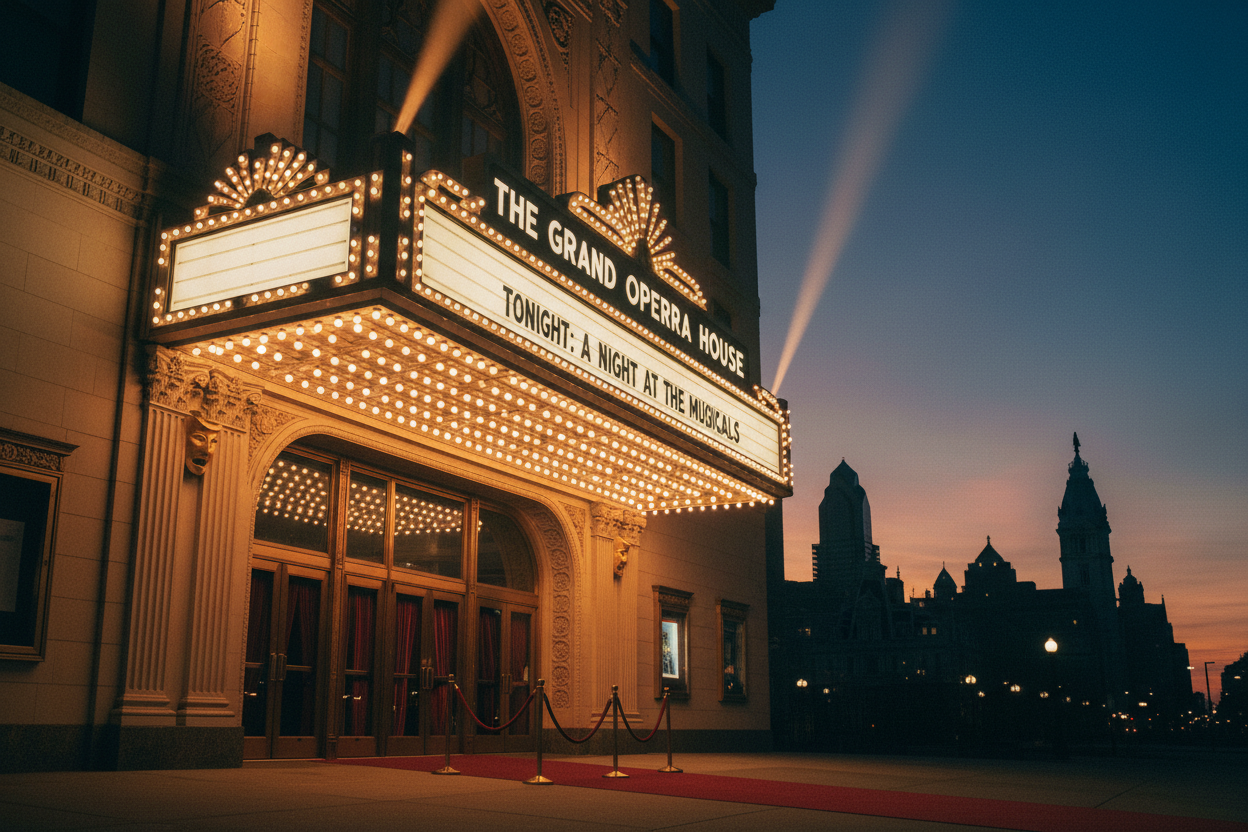
The Avenue of the Arts, stretching along South Broad Street, serves as Philadelphia’s cultural spine and the epicenter of its theater district. This magnificent stretch transforms the city into a beacon of artistic excellence, where world-class performances happen nightly within walking distance of each other. The district’s crown jewel, the Kimmel Center for the Performing Arts, anchors this cultural corridor with its stunning glass-domed architecture that seems to float above the bustling street below.
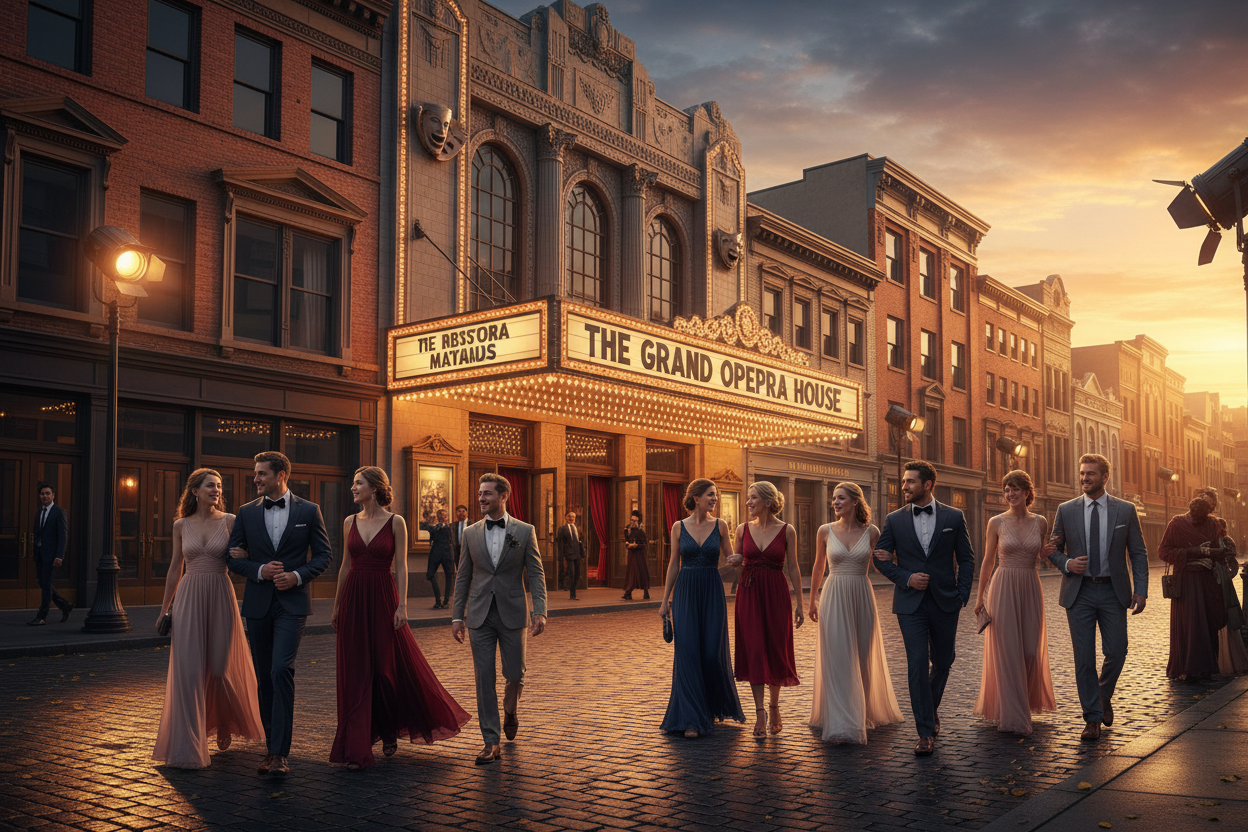
Walking down this avenue feels like stepping into a living museum of American theater history. The ornate facades tell stories of countless opening nights, standing ovations, and the dreams of performers who graced these stages. Local theatergoers often describe the pre-show energy as electric, with well-dressed audiences streaming from restaurants and parking garages, creating an atmosphere that makes even a Tuesday night feel like a special occasion.
Historic Venues That Define Philadelphia Theater
The Academy of Music stands as Philadelphia’s most treasured theatrical landmark, earning its nickname as the “Grand Old Lady of Broad Street.” Built in 1857, this National Historic Landmark continues to host the Philadelphia Orchestra and Opera Philadelphia while maintaining its original Victorian grandeur. The venue’s horseshoe-shaped auditorium and crystal chandelier create an intimate connection between performers and audience members, regardless of where you sit.
The Forrest Theatre, another historic gem, has been presenting Broadway tours and original productions since 1928. Its art deco design and 1,851-seat capacity make it perfect for large-scale musicals and dramatic productions. Many Philadelphia theater lovers consider catching a show at the Forrest a rite of passage, as it has hosted pre-Broadway tryouts and national tours of virtually every major musical of the past century.
The Merriam Theater rounds out the trio of historic venues that anchor Philadelphia’s theater district. Originally built as a movie palace in 1918, it transformed into a legitimate theater and now serves as home to many touring Broadway productions. The venue’s restored baroque interior creates an elegant atmosphere that enhances every performance, from intimate dramas to spectacular musicals.
Modern Performance Spaces and Contemporary Venues
The Kimmel Center for the Performing Arts represents Philadelphia’s commitment to contemporary theatrical excellence. This architectural marvel houses multiple performance spaces under one roof, including Verizon Hall, Perelman Theater, and the SEI Innovation Studio. The building’s unique design allows natural light to flood the common areas while maintaining perfect acoustics in each performance space.
The Suzanne Roberts Theatre serves as home to Philadelphia Theatre Company, one of the city’s most respected regional theater organizations. This modern venue focuses on contemporary works and world premieres, offering theatergoers the chance to experience cutting-edge productions before they reach larger markets. The theater’s flexible seating arrangements create different configurations for various productions, ensuring optimal viewing experiences.
The Prince Music Theater specializes in music theater, opera, and cabaret performances in a more intimate setting. With just 450 seats, every performance feels personal and immediate. The venue has become known for taking risks on experimental works and revivals of lesser-known musicals, making it a favorite among serious theater enthusiasts who appreciate artistic innovation.
Neighborhood Theaters and Hidden Gems
Beyond the main theater district, Philadelphia’s neighborhoods harbor incredible theatrical treasures that offer unique and often more affordable entertainment options. The Walnut Street Theatre, located in Washington Square West, holds the distinction of being America’s oldest theater in continuous operation. Since 1809, this venue has been presenting everything from Shakespeare to contemporary comedies, maintaining a perfect balance between honoring theatrical tradition and embracing modern storytelling.
The Arden Theatre Company in Old City has built a reputation for bold, innovative productions that challenge audiences while entertaining them. Their intimate black box theater creates an immersive experience where the boundary between performer and audience dissolves. Many local theater professionals cut their teeth at the Arden, making it an excellent place to discover emerging talent.
South Philadelphia’s Theatre Exile pushes boundaries with provocative, thought-provoking productions that tackle contemporary social issues. Their commitment to new works and diverse voices makes them an essential part of Philadelphia’s theatrical ecosystem. The theater’s grassroots approach and community engagement create a welcoming environment for newcomers to experimental theater.
Planning Your Philadelphia Theater Experience
Timing your visit to Philadelphia’s theater district requires some strategic thinking to maximize your experience. The traditional theater season runs from September through May, with the busiest period occurring during the holiday season when special productions and touring shows flood the city. Summer months offer outdoor performances and festivals, including the popular Fringe Festival that transforms the entire city into a stage.
Ticket purchasing strategies can significantly impact both your budget and seating options. Many venues offer rush tickets, student discounts, and subscription packages that provide substantial savings for multiple shows. The Kimmel Center’s “Pay Your Age” program allows young adults to purchase tickets at prices matching their age, making professional theater accessible to emerging audiences.
Pre-theater dining has become an integral part of the Philadelphia theater experience. The area around the Avenue of the Arts boasts numerous restaurants offering pre-fixe theater menus designed to get you fed and to your seats on time. Many establishments coordinate their service timing with show schedules, ensuring you won’t miss the opening number while waiting for your check.
Transportation and Practical Considerations
Getting to Philadelphia’s theater district is remarkably convenient, with multiple transportation options serving the Avenue of the Arts area. The Broad Street Line subway stops directly at the Avenue of the Arts station, providing easy access from throughout the city. For visitors staying in Center City, most theaters are within comfortable walking distance of major hotels.
Parking in the theater district requires advance planning, especially for weekend performances. Several parking garages serve the area, with many offering theater validation programs that reduce parking costs for show attendees. Street parking becomes increasingly scarce as show time approaches, so arriving early or using public transportation often proves more convenient.
Dress codes vary significantly among Philadelphia’s theaters, reflecting the city’s blend of tradition and casual accessibility. While venues like the Academy of Music maintain more formal expectations, many contemporary theaters welcome audiences in smart casual attire. The key is feeling comfortable and respecting the shared experience of live performance.
Supporting Philadelphia’s Theater Community
Philadelphia’s theater scene thrives because of strong community support that extends beyond ticket purchases. Many venues offer volunteer opportunities, donor programs, and educational initiatives that deepen audience engagement with the theatrical arts. Participating in post-show discussions, attending fundraising events, and following theaters on social media helps sustain this vital cultural ecosystem.
The city’s theater community is remarkably interconnected, with artists, directors, and designers frequently collaborating across different venues. This cross-pollination creates a dynamic environment where innovation flourishes and audiences benefit from the collective creativity of the entire theatrical community.
Conclusion
Philadelphia’s theater district stands as a testament to the city’s enduring commitment to artistic excellence and cultural accessibility. From the grandeur of historic venues to the intimacy of neighborhood theaters, the city offers theatrical experiences that cater to every taste and budget. The combination of world-class touring productions, innovative local companies, and emerging artists creates a theatrical landscape that continues to evolve while honoring its rich heritage.
Whether you’re planning a special night out or looking to make theater a regular part of your cultural diet, Philadelphia’s performance venues provide countless opportunities to experience the magic of live theater. The city’s theatrical community welcomes newcomers with open arms while continuing to challenge and delight longtime enthusiasts. In Philadelphia’s theater district, every night offers the possibility of witnessing something truly extraordinary, making each visit to these hallowed halls an adventure in human creativity and connection.