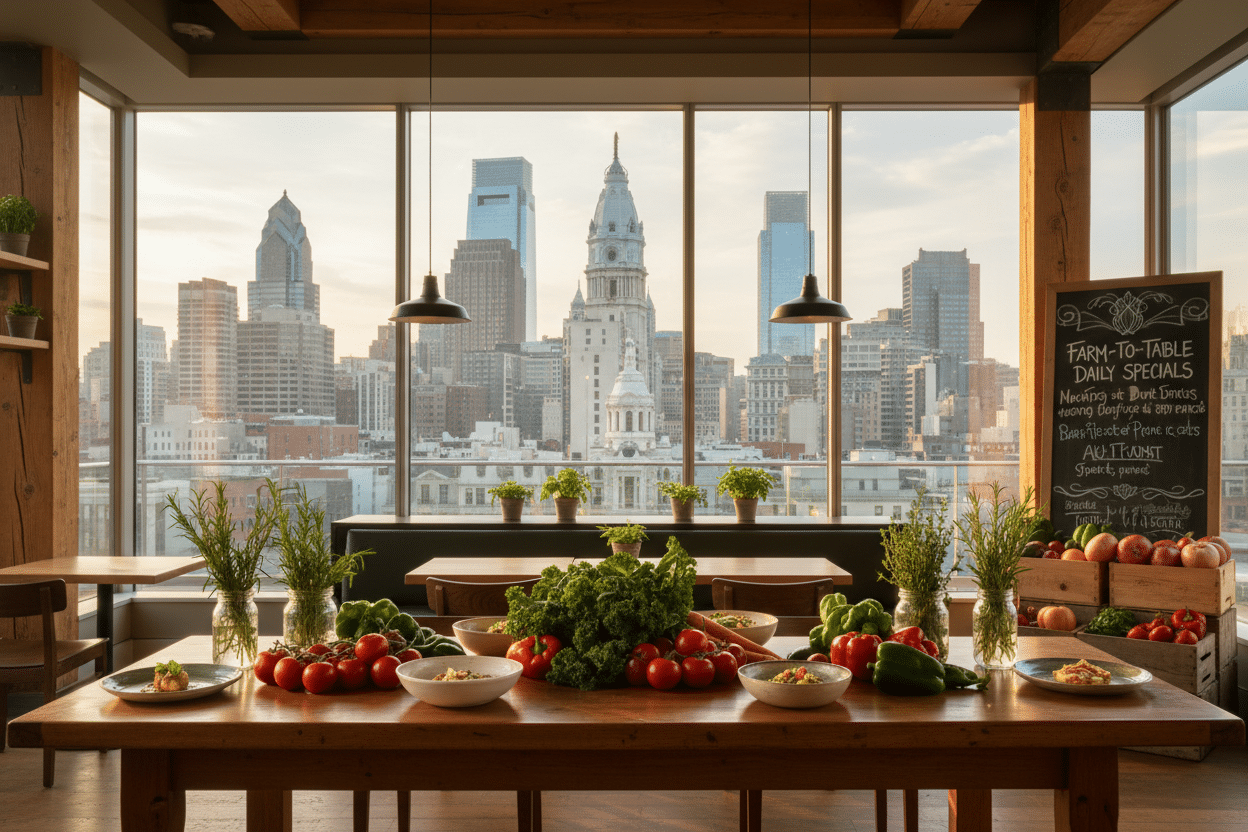
Philadelphia’s Farm-to-Table Restaurant Scene: Sustainable Dining Guide
Philadelphia’s culinary landscape has undergone a remarkable transformation over the past decade, with farm-to-table dining emerging as one of the city’s most exciting and sustainable food movements. From intimate neighborhood bistros to acclaimed fine dining establishments, Philadelphia restaurants are forging direct relationships with local farmers, creating menus that celebrate seasonal ingredients while supporting the regional agricultural community.
This sustainable dining revolution isn’t just about trendy buzzwords – it’s fundamentally changing how Philadelphians think about food. When you sit down to a meal at one of the city’s farm-to-table restaurants, you’re not just enjoying fresh, flavorful dishes; you’re participating in a food system that prioritizes environmental responsibility, supports local economies, and often delivers superior taste and nutrition.
What Makes Philadelphia’s Farm-to-Table Scene Special
Philadelphia’s geographic location provides a unique advantage for farm-to-table dining. Nestled in the heart of the Mid-Atlantic region, the city sits within easy reach of Pennsylvania’s fertile farmlands, New Jersey’s productive agricultural areas, and the Chesapeake Bay’s abundant seafood resources. This proximity means restaurants can source incredibly fresh ingredients while maintaining minimal transportation distances and costs.
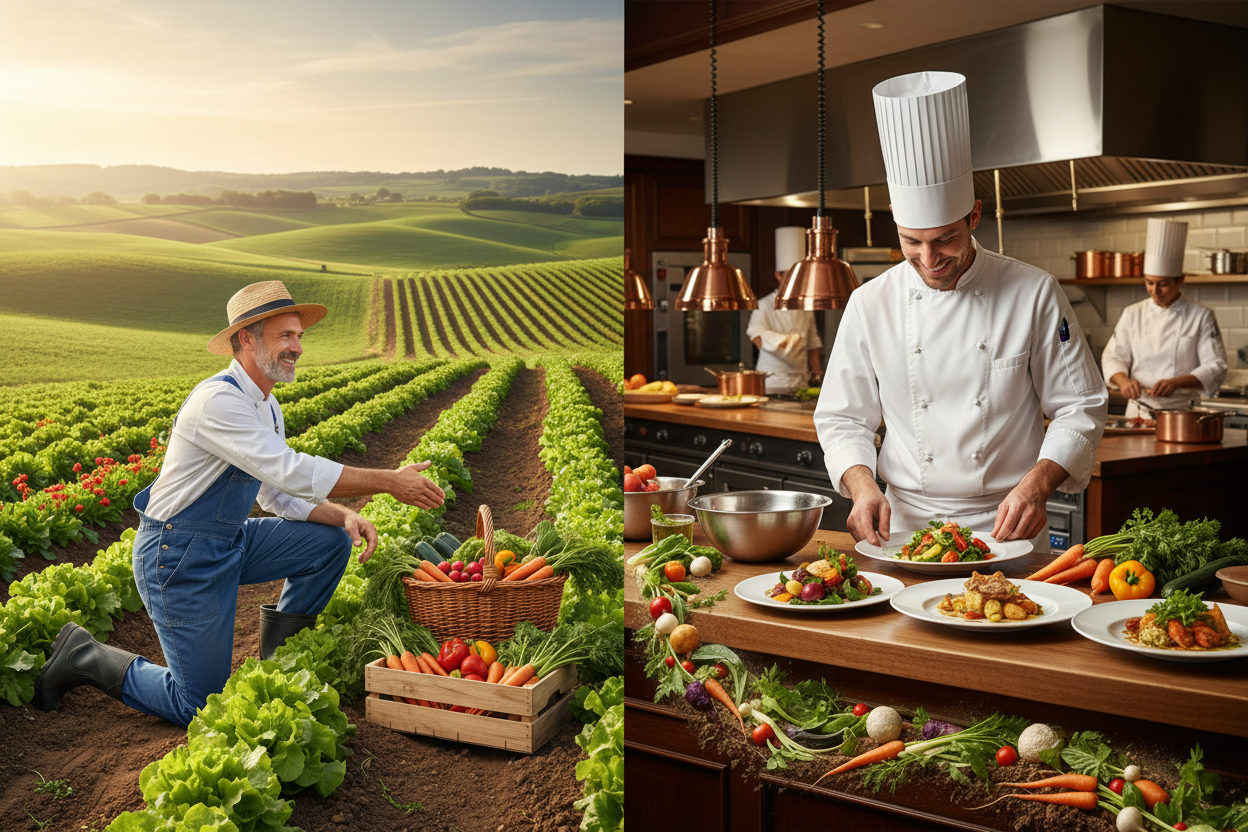
The city’s farm-to-table movement goes beyond simple ingredient sourcing. Many Philadelphia restaurants have developed year-round relationships with specific farms, often visiting during growing seasons and working directly with farmers to plan crops. Some establishments even maintain their own gardens or partner with urban farming initiatives throughout the city.
What sets Philadelphia apart from other cities is the accessibility of its farm-to-table scene. While many cities reserve sustainable dining for high-end establishments, Philadelphia offers farm-to-table options across various price points and neighborhood locations, making sustainable dining accessible to a broader range of diners.
Top Farm-to-Table Restaurants in Philadelphia
Zahav has become synonymous with Philadelphia’s commitment to local sourcing and seasonal cooking. Chef Michael Solomonov’s Israeli restaurant sources ingredients from local farms throughout Pennsylvania and New Jersey, creating modern interpretations of Middle Eastern cuisine that change with the seasons. Their hummus features locally grown chickpeas, and their vegetable dishes showcase the best of what regional farms have to offer.
Vedge represents the pinnacle of vegetable-focused dining in Philadelphia. This upscale vegetarian restaurant works exclusively with local and regional farms to create innovative plant-based dishes that have earned national recognition. Their menu changes frequently based on seasonal availability, ensuring that diners experience ingredients at their peak freshness and flavor.
The Love, located in Rittenhouse Square, has built its reputation on sourcing ingredients from within a 100-mile radius of Philadelphia. Their menu features detailed information about the farms that supply their ingredients, allowing diners to learn about the origins of their meal while enjoying contemporary American cuisine.
Farmicia, as the name suggests, takes a pharmacy-inspired approach to farm-to-table dining, treating food as medicine and sourcing ingredients based on their nutritional and healing properties. Located in Old City, this restaurant partners with local farms that practice sustainable and organic growing methods.
Seasonal Dining and Menu Changes
One of the most exciting aspects of Philadelphia’s farm-to-table scene is the constant evolution of menus based on seasonal availability. Spring brings fresh asparagus, peas, and early greens from local farms, while summer menus burst with tomatoes, corn, and stone fruits. Fall showcases the region’s apple harvest, winter squashes, and root vegetables, while winter menus often feature preserved and stored crops alongside greenhouse-grown produce.
Many Philadelphia farm-to-table restaurants change their menus weekly or even daily based on what’s available from their farming partners. This approach ensures maximum freshness and flavor while encouraging diners to try new ingredients and preparations they might not encounter otherwise.
The seasonal approach also means that visiting the same restaurant multiple times throughout the year can provide completely different experiences. A spring visit might feature delicate pea shoots and fresh herbs, while a fall return could showcase hearty root vegetables and preserved fruits.
Local Farms and Suppliers
Philadelphia’s farm-to-table restaurants work with an impressive network of local and regional farms. Lancaster County, known for its rich agricultural heritage, supplies many restaurants with produce, dairy products, and meat. Farms like Blooming Glen Farm in Perkasie and Fair Food Farmstand provide organic vegetables and fruits to numerous city restaurants.
Urban farming initiatives within Philadelphia itself have also become important suppliers for local restaurants. Organizations like Greensgrow Farms in Kensington and Mill Creek Farm in West Philadelphia grow produce year-round using sustainable methods, providing restaurants with ultra-local ingredients while contributing to neighborhood revitalization efforts.
The relationship between restaurants and farms often extends beyond simple purchasing agreements. Many chefs visit farms regularly, participate in harvest activities, and work with farmers to plan future crops based on menu needs. This collaboration ensures that both restaurants and farms benefit from the partnership while providing diners with the freshest possible ingredients.
Sustainability Practices Beyond Sourcing
Philadelphia’s commitment to sustainable dining extends far beyond ingredient sourcing. Many farm-to-table restaurants have implemented comprehensive sustainability practices that address waste reduction, energy consumption, and community impact.
Composting programs are common among Philadelphia’s sustainable restaurants, with food scraps often returned to the farms that supply ingredients, creating a closed-loop system. Some restaurants have eliminated single-use plastics entirely, opting for compostable or reusable alternatives.
Energy efficiency measures, including LED lighting, energy-efficient appliances, and smart heating and cooling systems, help reduce the environmental impact of restaurant operations. Water conservation efforts, such as low-flow fixtures and greywater systems, further minimize resource consumption.
Many establishments also prioritize fair labor practices and community engagement, supporting not just environmental sustainability but social sustainability as well. This holistic approach to sustainability has helped establish Philadelphia as a leader in responsible dining practices.
Tips for Sustainable Dining in Philadelphia
When exploring Philadelphia’s farm-to-table scene, timing can significantly enhance your experience. Visiting during peak growing seasons – late spring through early fall – typically offers the most diverse and flavorful menu options. However, winter dining can provide unique experiences with preserved foods, root vegetables, and creative preparations that showcase the ingenuity of local chefs.
Don’t hesitate to ask your server about the origins of specific ingredients. Most farm-to-table restaurants are proud of their sourcing relationships and happy to share information about the farms that supply their ingredients. This knowledge can enhance your appreciation of the meal and help you understand the seasonal nature of the menu.
Consider making reservations well in advance, especially for popular establishments. The limited nature of seasonal ingredients often means that popular dishes may sell out, and smaller restaurants focused on local sourcing typically have limited seating.
Be open to trying new ingredients and preparations. Farm-to-table restaurants often feature vegetables, fruits, and preparations that might be unfamiliar but showcase the creativity that comes from working with seasonal, local ingredients.
The Future of Farm-to-Table Dining in Philadelphia
Philadelphia’s farm-to-table movement continues to evolve and expand, with new restaurants embracing sustainable practices and existing establishments deepening their commitment to local sourcing. The city’s food scene is increasingly incorporating technology to improve supply chain transparency, with some restaurants using apps and websites that allow diners to trace ingredients back to specific farms.
Urban agriculture initiatives are expanding throughout Philadelphia, creating new opportunities for hyper-local sourcing. Rooftop gardens, vertical farms, and community growing spaces are becoming more common, potentially allowing restaurants to source ingredients from within the city limits year-round.
The integration of sustainable practices with diverse culinary traditions continues to be a hallmark of Philadelphia’s approach to farm-to-table dining. As the city’s immigrant communities contribute their culinary knowledge to the local food scene, we’re seeing innovative fusion cuisines that maintain strong commitments to local sourcing and sustainability.
Philadelphia’s farm-to-table restaurant scene represents more than just a dining trend – it’s a commitment to creating a more sustainable, equitable, and delicious food system. Whether you’re a longtime resident or a visitor to the City of Brotherly Love, exploring these restaurants offers an opportunity to taste the best of what the region has to offer while supporting practices that benefit local communities and the environment. The next time you’re planning a meal out, consider choosing one of Philadelphia’s many farm-to-table establishments and experience firsthand how sustainable dining can be both delicious and meaningful.