How to Navigate Philadelphia’s Parking: Tips for Drivers and Alternatives
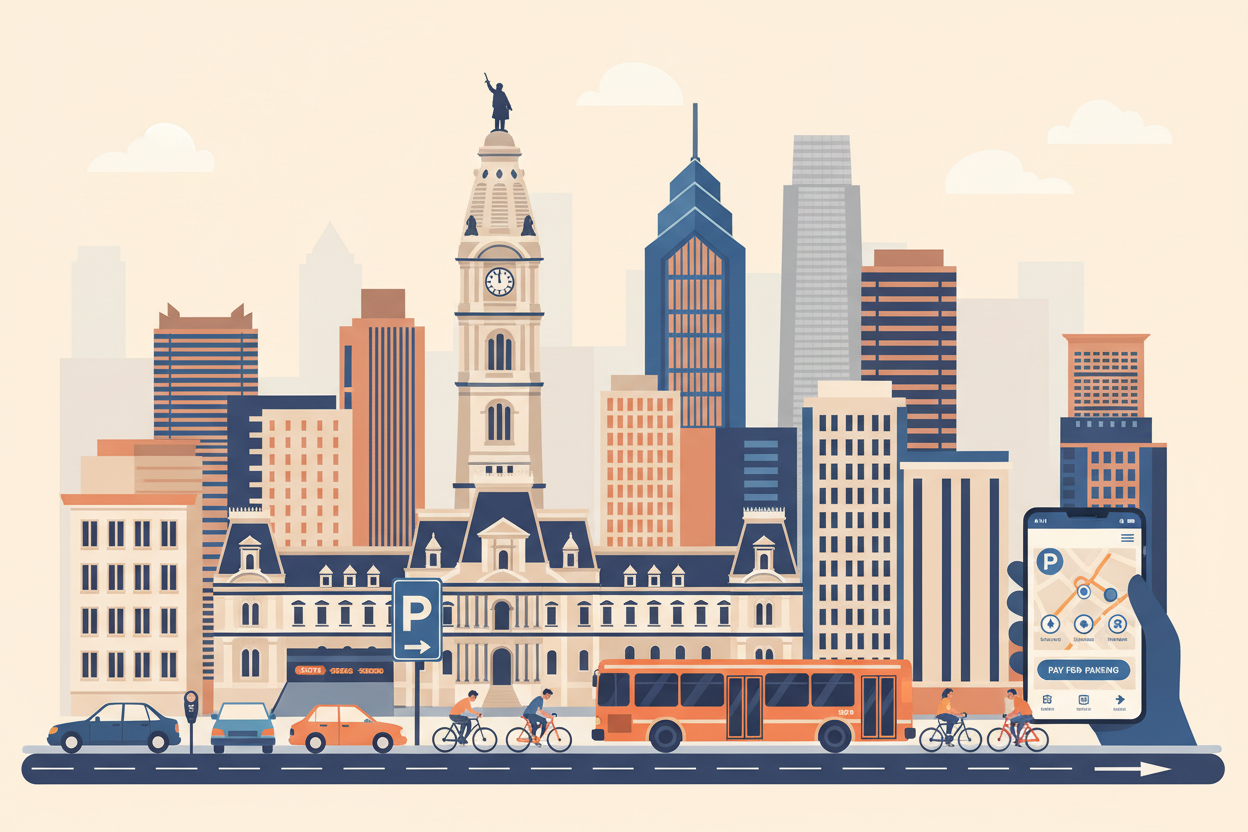
If you’ve ever driven in Philadelphia, you know the struggle is real when it comes to finding parking. The City of Brotherly Love might be famous for its cheesesteaks and rich history, but it’s equally notorious for its challenging parking situation. Whether you’re a longtime resident or just visiting for the weekend, understanding Philadelphia’s parking landscape can save you time, money, and a whole lot of frustration.
From confusing street signs to aggressive parking enforcement, Philadelphia presents unique challenges that can turn a simple trip downtown into a parking nightmare. But don’t worry – with the right knowledge and strategies, you can master the art of parking in Philly and discover some excellent alternatives that might just change how you get around the city.
Understanding Philadelphia’s Parking Zones and Regulations
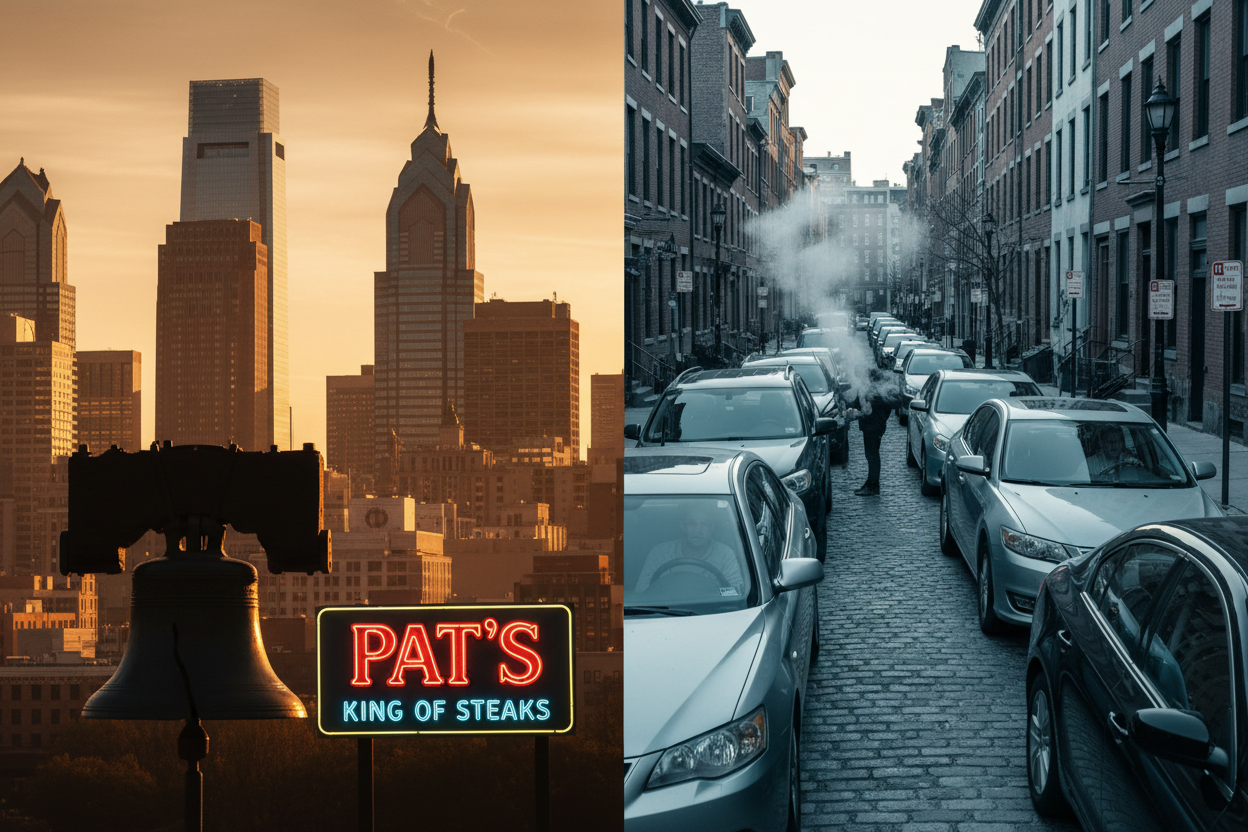
Philadelphia’s parking system operates on a zone-based structure that can seem overwhelming at first glance. The city is divided into different parking zones, each with its own rules, time limits, and pricing structures. Center City, for instance, operates under different regulations than residential neighborhoods in South Philly or Northern Liberties.
Most metered parking in Center City costs $2.00 per hour, with a two-hour maximum stay during peak hours. However, these rates and time limits can vary significantly depending on your exact location. Some premium spots near popular attractions or business districts might cost more, while residential areas often have different rules entirely.
One crucial thing to remember is that Philadelphia takes its parking regulations seriously. The Philadelphia Parking Authority, often referred to as the PPA, is known for its efficient enforcement. They’re not just looking for expired meters – they’re checking for proper permits in residential zones, monitoring loading zones, and ensuring vehicles aren’t blocking fire hydrants or crosswalks.
Decoding Street Signs and Parking Restrictions
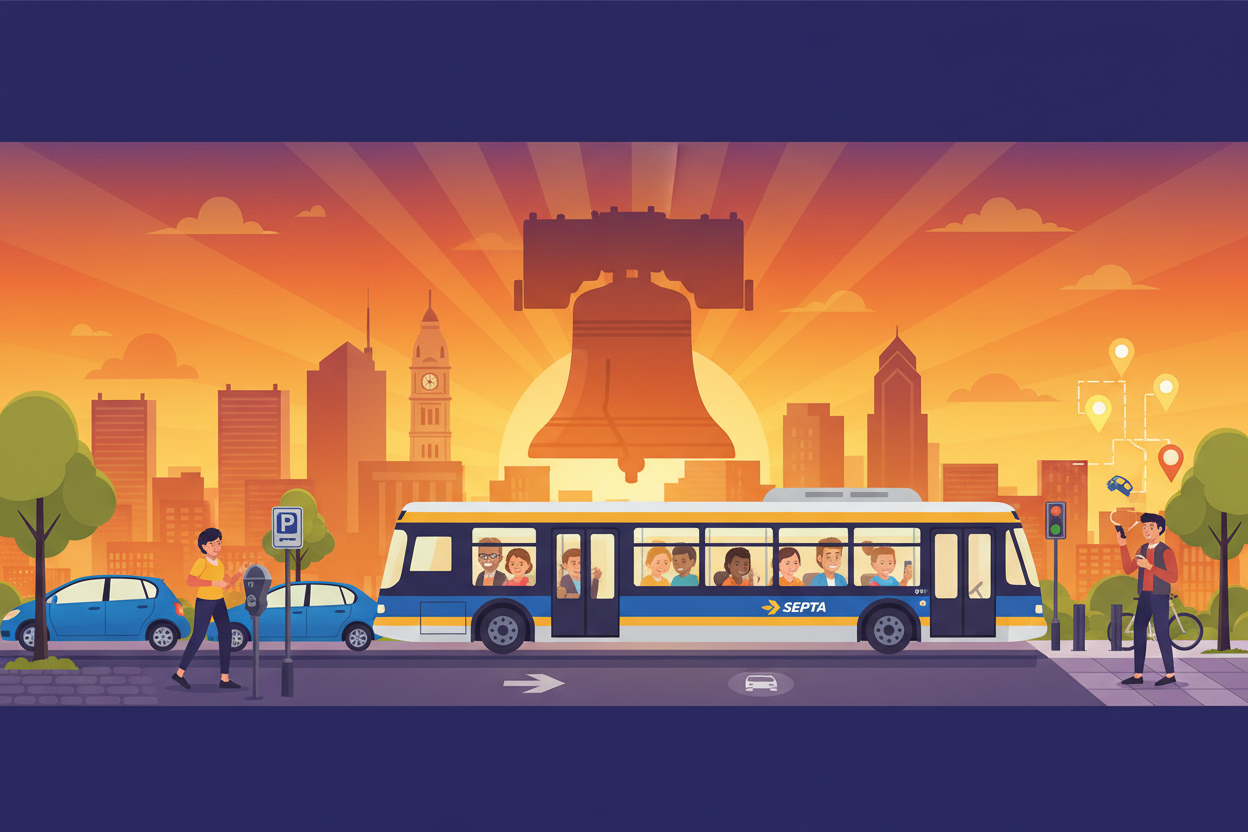
Philadelphia’s street signs can be confusing, even for seasoned drivers. You’ll often encounter multiple signs on a single pole, each indicating different restrictions for different times of day or days of the week. Learning to read these signs quickly and accurately is essential for avoiding tickets.
Pay special attention to residential permit parking zones, which are marked with signs indicating specific hours when only residents with permits can park. These zones typically restrict parking from 8 AM to 6 PM on weekdays, but the exact hours can vary by neighborhood. If you’re visiting someone in a residential area, ask them about permit parking rules – it could save you a $51 ticket.
Street cleaning restrictions are another common source of parking tickets in Philadelphia. These temporary no-parking zones are usually in effect for a few hours once or twice a week, depending on the street. The signs will clearly indicate when parking is prohibited for street cleaning, and the city is quite strict about enforcement during these times.
Smart Strategies for Finding Street Parking
Finding street parking in Philadelphia requires a combination of patience, timing, and local knowledge. The best times to find parking are typically early morning before 9 AM, during lunch hours when some people move their cars, and after 6 PM when the workday crowd heads home.
Consider expanding your search radius beyond your immediate destination. Walking an extra few blocks might seem inconvenient, but it’s often faster than circling the same few blocks repeatedly. Plus, you’ll likely find cheaper or even free parking options as you move away from the most popular areas.
Download parking apps like ParkWhiz, SpotHero, or the ParkPHL app to help locate available spots and compare prices. These apps can show you real-time availability and allow you to reserve spots in advance, which is particularly valuable for special events or busy weekends.
Learn the neighborhood patterns. Each area of Philadelphia has its own parking personality. University City fills up early with students and hospital workers, while Old City might be easier during weekday mornings but impossible on weekend nights. South Street and Northern Liberties have their own peak times based on restaurant and nightlife traffic.
Parking Garages and Lots: What You Need to Know
When street parking isn’t an option, Philadelphia offers numerous parking garages and lots throughout the city. These facilities typically charge higher rates than street parking but offer the security and convenience of a guaranteed spot.
Center City has the highest concentration of parking garages, with rates ranging from $15-30 for all-day parking, depending on location and demand. Some garages offer early bird specials if you arrive before 9 AM and stay all day, which can significantly reduce your costs if you’re commuting to work.
Many hotels, shopping centers, and office buildings offer validation programs that can reduce or eliminate parking fees if you’re patronizing their businesses. Always ask about validation before you park – it’s a simple question that could save you $20 or more.
For events at venues like the Wells Fargo Center or Lincoln Financial Field, consider the official parking lots, but be prepared for higher prices and potential traffic delays when leaving. Sometimes, parking a bit further away and walking or taking a short ride-share trip can be more economical and less stressful.
Public Transportation: Your Best Alternative
SEPTA, Philadelphia’s public transportation system, offers an extensive network of buses, trolleys, subway lines, and regional rail that can eliminate parking headaches entirely. The system covers not just Philadelphia proper but extends throughout the greater metropolitan area.
The Broad Street Line and Market-Frankford Line are the two main subway lines that can get you to most major destinations in the city. A single ride costs $2.50, and day passes are available for $8, making public transit significantly cheaper than parking in most areas of Center City.
Regional rail lines connect Philadelphia to surrounding suburbs and are particularly useful if you’re coming from areas like King of Prussia, Wayne, or Wilmington. Many suburban stations offer free or low-cost parking, allowing you to drive partway and take the train into the city center.
The key to successful SEPTA navigation is planning your route in advance using their trip planner or mobile app. The system can seem complex at first, but once you understand the basic lines and connections, it becomes an efficient way to move around the city without worrying about parking at all.
Ride-Sharing and Alternative Transportation Options
Uber and Lyft have become increasingly popular alternatives to driving and parking in Philadelphia, especially for evening entertainment or special events. While the cost can add up for regular use, ride-sharing often makes financial sense when you factor in parking fees, gas, and the stress of finding a spot.
Philadelphia’s bike-share program, Indego, offers another alternative for shorter trips around the city. With stations throughout Center City and expanding into other neighborhoods, bike-sharing can be perfect for trips that are too far to walk but too short to justify the hassle of parking a car.
Electric scooters have also made their way to Philadelphia streets, providing another last-mile transportation option. These can be particularly useful for getting from a parking spot or transit station to your final destination.
For longer stays or regular visits, consider car-sharing services like Zipcar, which has multiple locations throughout Philadelphia. This option gives you access to a car when you need it without the ongoing costs and parking challenges of car ownership in the city.
Neighborhood-Specific Parking Tips
Each Philadelphia neighborhood has its own parking personality and challenges. In Fishtown and Northern Liberties, street parking is generally easier to find than in Center City, but be aware of the growing popularity of these areas, especially on weekends.
South Philadelphia offers a mix of residential permit zones and unrestricted streets. The area around the sports complex has plenty of event parking, but prices surge during games and concerts. Consider parking in residential areas south of the stadiums and walking or taking a shuttle.
University City presents unique challenges due to the presence of University of Pennsylvania and Drexel University. Student parking demand is high, and many streets have permit restrictions. However, the area is well-served by public transit, making it easy to park further out and take SEPTA to your destination.
Old City and Society Hill offer some of the most challenging parking in the city due to narrow, historic streets and high tourist traffic. These areas are best explored on foot, so consider parking in a nearby garage or taking public transit to the area and walking to your specific destinations.
Making the Right Choice for Your Situation
Navigating Philadelphia’s parking landscape doesn’t have to be a source of constant stress. The key is understanding your options and choosing the right approach for each situation. For daily commuters, a monthly parking pass or public transit might make the most sense. Weekend visitors might prefer the flexibility of ride-sharing or the adventure of hunting for street parking.
Consider the total cost of your transportation choice, including not just parking fees but also gas, tolls, and your time. Sometimes paying a bit more for convenient parking or taking public transit can be worth it when you factor in the reduced stress and time savings.
Remember that Philadelphia’s parking situation continues to evolve. New developments bring new parking facilities, while growing neighborhoods might see increased restrictions. Stay informed about changes in areas you visit frequently, and don’t be afraid to try new alternatives to driving and parking.
Whether you choose to master the art of street parking, embrace public transportation, or mix different options depending on your needs, the most important thing is planning ahead. Philadelphia is a fantastic city to explore, and with the right parking strategy, you can focus on enjoying everything the City of Brotherly Love has to offer instead of circling blocks looking for a parking spot.