Philadelphia’s Most Beautiful Outdoor Murals and Their Hidden Meanings
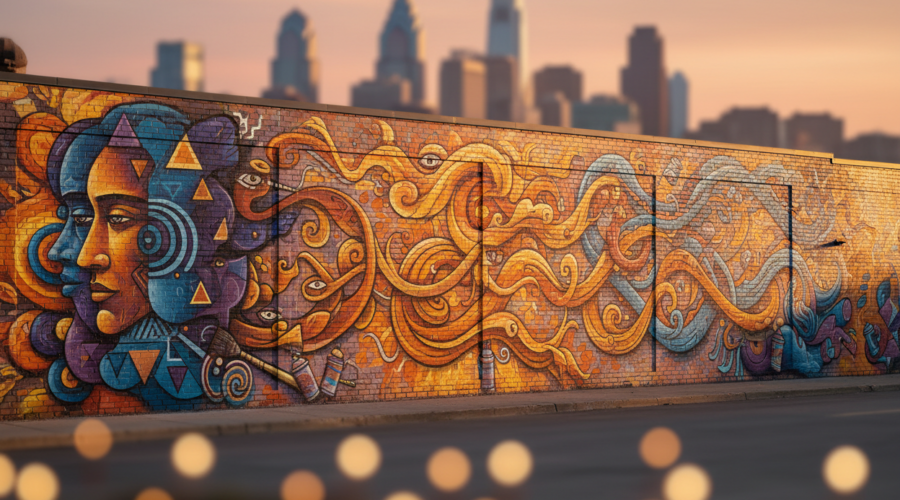
Walking through Philadelphia feels like strolling through the world’s largest outdoor art gallery. The City of Brotherly Love has earned its reputation as America’s mural capital, with over 4,000 stunning pieces of street art adorning buildings, walls, and forgotten corners throughout the city. These aren’t just pretty pictures painted on concrete – each mural tells a story, preserves history, and carries messages that run deeper than their vibrant surfaces suggest.
Philadelphia’s mural movement began in the 1980s as a way to combat graffiti and urban decay, but it has evolved into something far more meaningful. These outdoor masterpieces serve as windows into the soul of neighborhoods, reflecting the dreams, struggles, and triumphs of the communities they represent. From North Philadelphia to South Street, each painted wall whispers secrets about the city’s past while boldly declaring hopes for its future.
The Birth of Philadelphia’s Mural Movement
The transformation of Philadelphia’s walls began with a simple yet revolutionary idea. In 1984, artist Jane Golden founded the Mural Arts Program, initially as an anti-graffiti initiative. What started as a practical solution to urban blight has blossomed into the largest public art program in the United States, employing hundreds of artists and engaging thousands of community members each year.
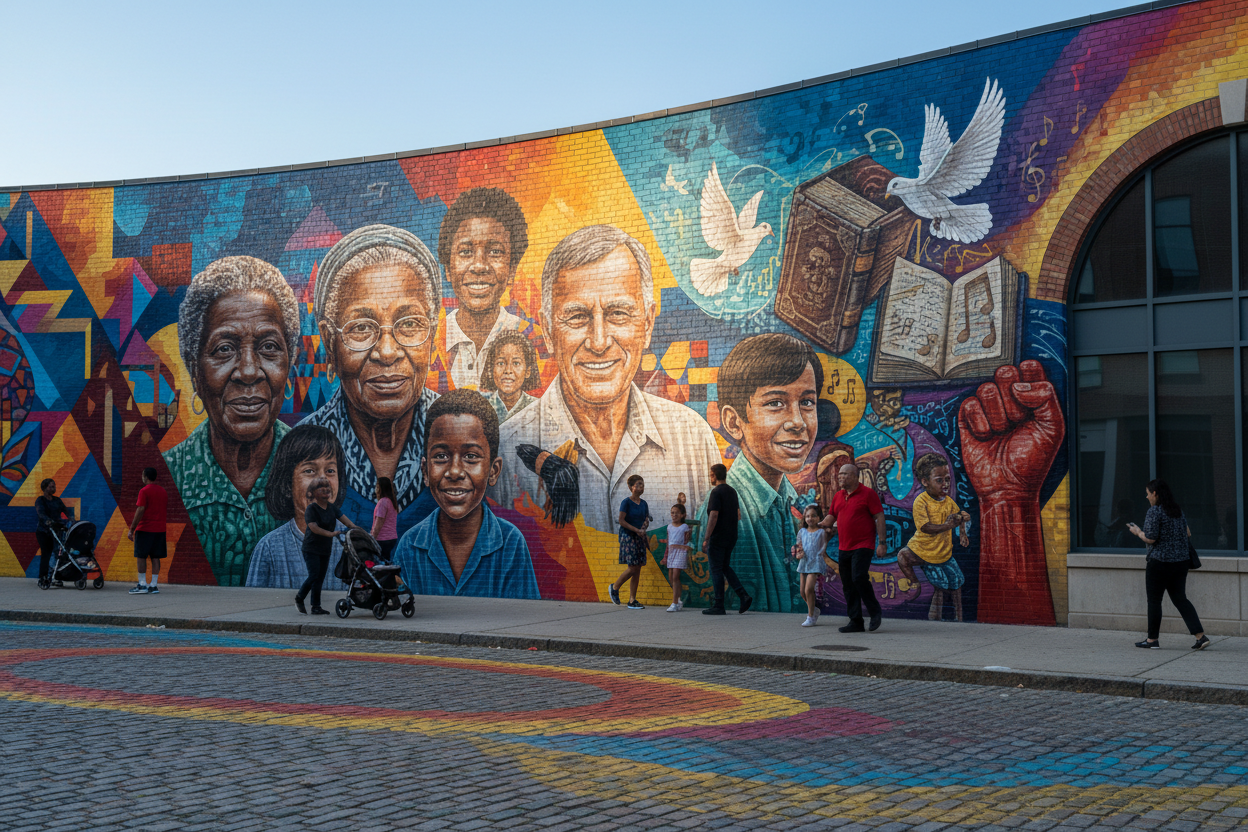
The program’s approach is uniquely collaborative. Artists don’t simply impose their vision on neighborhoods; instead, they work closely with residents to understand their stories, their struggles, and their aspirations. This community-centered methodology ensures that every mural resonates with authentic meaning, creating art that truly belongs to the people who see it every day.
Iconic Murals That Define Philadelphia’s Landscape
Love Letter for You by Steve Powers
Perhaps no mural captures Philadelphia’s romantic spirit quite like Steve Powers’ “Love Letter for You.” This sprawling installation stretches across 50 rooftops along the Market-Frankford El line, creating a love poem visible to train passengers traveling between Center City and West Philadelphia. Each rooftop bears a different message – “From the Bottom of My Heart,” “You Give Me Butterflies,” “I Want to Grow Old With You” – transforming a mundane commute into an emotional journey.
The hidden meaning runs deeper than romantic love. Powers designed this piece to celebrate the enduring relationship between Philadelphia and its residents, acknowledging that despite the city’s challenges, there remains an unbreakable bond between place and people. The elevated placement of these messages suggests that love – whether romantic, familial, or civic – lifts us above life’s everyday struggles.
Common Threads by Meg Saligman
Located in the heart of Philadelphia’s Gayborhood, “Common Threads” weaves together the stories of the LGBTQ+ community through vibrant imagery of hands holding diverse objects – flowers, tools, books, and symbols of various professions. The 60-foot-tall mural celebrates the contributions of LGBTQ+ individuals across all walks of life.
The deeper symbolism lies in the threads themselves, which represent the interconnectedness of all people regardless of sexual orientation or gender identity. Each hand tells a story of someone who has contributed to society’s fabric, challenging viewers to recognize the common humanity that binds us all together. The mural’s placement on a busy street ensures that this message of inclusion reaches thousands of people daily.
Sanctuary by Cesar Viveros
In the predominantly Latino neighborhood of Kensington, “Sanctuary” depicts a powerful image of hands cradling a small house, with butterflies and flowers surrounding the scene. The mural’s warm earth tones and gentle imagery create a sense of protection and hope in an area that has faced significant economic challenges.
The hidden meaning speaks to the immigrant experience and the universal human need for safety and belonging. The butterflies represent transformation and resilience, while the protective hands symbolize community support. For many residents, this mural serves as a daily reminder that their neighborhood, despite its struggles, remains a place of refuge and possibility.
Murals as Historical Preservationists
Philadelphia’s murals serve as living history books, preserving stories that might otherwise be forgotten. The “Philadelphia Muses” series, scattered throughout the city, honors influential figures from the city’s past – from Marian Anderson, the groundbreaking opera singer who faced racial discrimination, to Betsy Ross, the legendary seamstress who allegedly created the first American flag.
These historical murals do more than commemorate famous figures; they reclaim narratives that have been marginalized or overlooked. Many focus on the contributions of women, people of color, and working-class heroes whose stories were absent from traditional history books. By placing these figures prominently on public walls, the murals ensure that Philadelphia’s complete story remains visible and accessible to all.
The Social Justice Canvas
Many of Philadelphia’s most powerful murals address social justice themes, transforming walls into platforms for important conversations about equality, human rights, and community empowerment. The “Voices of North Philadelphia” series tackles issues like education, healthcare access, and economic opportunity, giving residents a way to express their concerns and hopes through art.
These murals often employ symbolic imagery that speaks to both local and universal experiences. Images of children reaching toward the sky represent aspirations for better educational opportunities. Hands breaking through chains symbolize freedom from systemic oppression. Gardens growing from concrete suggest that beauty and hope can flourish even in challenging environments.
Cultural Celebration Through Paint
Philadelphia’s diverse neighborhoods use murals to celebrate their cultural heritage and maintain connections to ancestral homelands. In South Philadelphia’s Italian Market, murals depicting scenes from Italian villages and portraits of Italian-American leaders honor the area’s immigrant roots. Similarly, murals in Chinatown feature traditional Chinese art styles and symbols, creating a visual bridge between old and new worlds.
These cultural murals serve multiple purposes beyond decoration. They educate younger generations about their heritage, welcome newcomers to the community, and help preserve cultural traditions in an increasingly globalized world. The hidden meaning often lies in small details – specific flowers that hold cultural significance, architectural elements that reference homeland buildings, or color combinations that carry traditional meanings.
Environmental Messages in Urban Art
As environmental consciousness has grown, Philadelphia’s murals have increasingly incorporated messages about sustainability and our relationship with nature. “Urban Garden” murals throughout the city depict lush vegetation growing from urban landscapes, encouraging viewers to consider how cities can coexist harmoniously with the natural world.
These environmental murals often use visual metaphors that require closer examination to fully understand. Tree roots intertwining with city infrastructure suggest the possibility of sustainable urban development. Animals appearing in unexpected urban settings remind viewers that cities are part of larger ecosystems. Water imagery flowing through concrete landscapes emphasizes the importance of protecting natural resources even in urban environments.
The Future of Philadelphia’s Mural Legacy
As Philadelphia continues to evolve, so does its mural landscape. New murals address contemporary issues like climate change, digital connectivity, and changing demographics, while restoration efforts ensure that older masterpieces remain vibrant for future generations. The Mural Arts Program continues to expand, partnering with schools, community organizations, and local businesses to create new opportunities for artistic expression and community engagement.
The hidden meanings in Philadelphia’s murals will undoubtedly continue to evolve, reflecting the city’s ongoing transformation while honoring its rich history. Each new addition to this outdoor gallery adds another layer to Philadelphia’s visual narrative, ensuring that the city’s walls will continue to speak to residents and visitors for generations to come.
Philadelphia’s murals represent far more than beautiful artwork on city walls. They serve as a democratic form of expression, giving voice to communities that might otherwise go unheard. They preserve history, celebrate culture, address social issues, and inspire hope for the future. Most importantly, they remind us that art has the power to transform not just physical spaces, but hearts and minds as well. The next time you walk through Philadelphia’s neighborhoods, take a moment to really look at the walls around you – you might discover that they have more to say than you ever imagined.