The Complete Guide to Philadelphia’s Italian Market: Shopping and Eating Like a Local
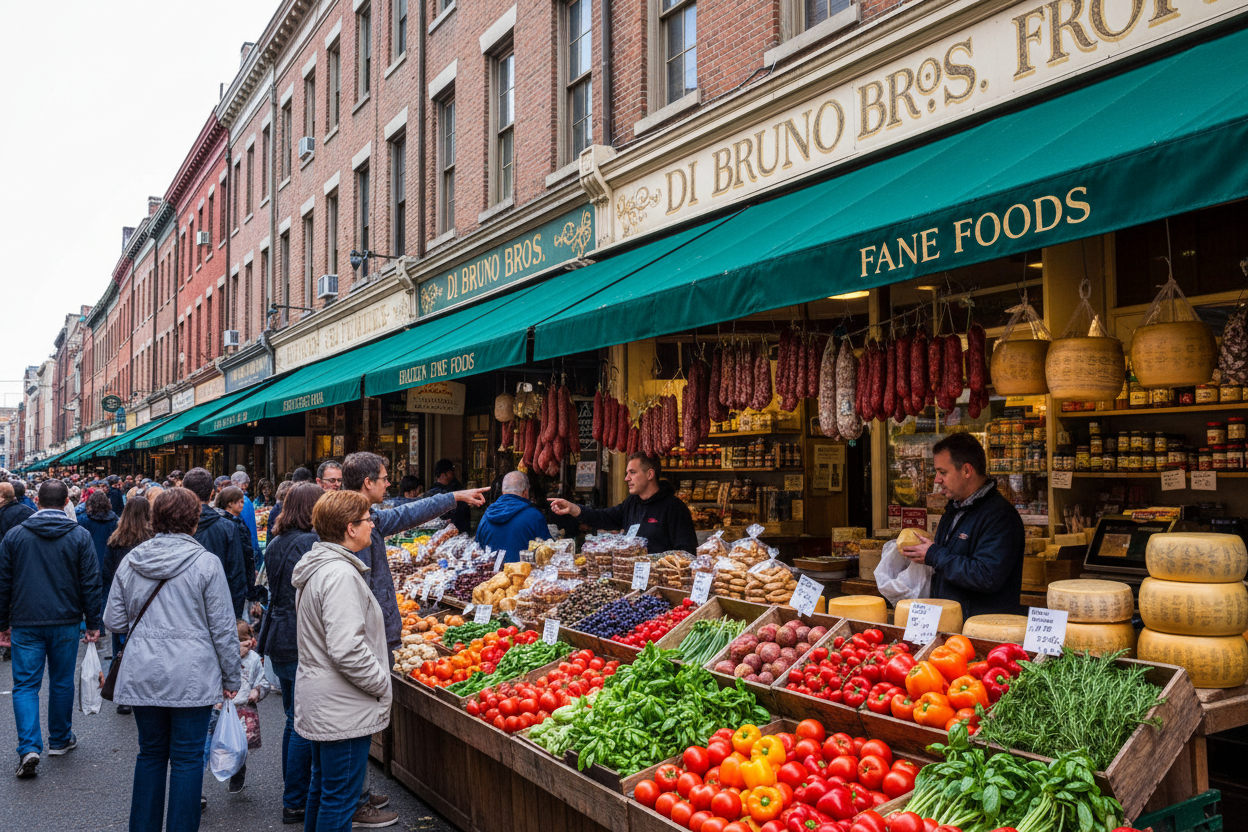
Walking down South 9th Street in Philadelphia feels like stepping into a different world entirely. The air is thick with the aroma of fresh basil, aged cheeses, and simmering tomato sauce. Vendors call out in both English and Italian, their voices mixing with the sounds of sizzling pans and animated conversations. This is Philadelphia’s Italian Market, and it’s been the beating heart of the city’s Italian-American community for over a century.
Whether you’re a curious tourist looking to experience authentic Italian culture or a local wanting to discover the best spots for fresh ingredients and traditional dishes, the Italian Market offers an unparalleled culinary adventure. From century-old family businesses to innovative new eateries, this vibrant neighborhood continues to evolve while honoring its rich heritage.
A Brief History of Philadelphia’s Little Italy
The Italian Market didn’t become what it is today overnight. In the late 1800s and early 1900s, waves of Italian immigrants settled in South Philadelphia, bringing their culinary traditions and entrepreneurial spirit with them. They established small shops, markets, and restaurants along South 9th Street, creating what would become one of America’s most authentic Italian neighborhoods.
What makes this area special isn’t just its history, but how it has maintained its character through generations. Many of the businesses you’ll visit today are still run by the descendants of those original Italian immigrants, and they take immense pride in preserving traditional recipes and methods that have been passed down through their families.
Essential Food Shops Every Local Knows
Villa di Roma: The Crown Jewel of Italian Groceries
No trip to the Italian Market is complete without a visit to Villa di Roma. This sprawling grocery store has been serving the community since 1921, and stepping inside feels like entering an Italian wonderland. The shelves are packed with imported olive oils, aged balsamic vinegars, and specialty pasta shapes you won’t find in regular supermarkets.
What sets Villa di Roma apart is their knowledgeable staff. Don’t hesitate to ask for recommendations – they’re passionate about their products and love sharing cooking tips. Their fresh mozzarella, made daily, is legendary among locals, and their selection of cured meats will make any charcuterie board sing.
Claudio Specialty Foods: A Cheese Lover’s Paradise
If you consider yourself a cheese enthusiast, Claudio’s will quickly become your favorite destination. This family-owned shop has been importing and aging Italian cheeses for decades, and their expertise shows in every perfectly aged wheel of Parmigiano-Reggiano and creamy ball of burrata.
The Claudio family takes time to educate customers about their products, explaining the differences between regions and aging processes. They’ll even let you taste before you buy, ensuring you find the perfect cheese for your needs. Their homemade roasted peppers and marinated vegetables make excellent accompaniments to any cheese selection.
Fante’s Kitchen Wares Shop: Tools of the Trade
Since 1906, Fante’s has been the go-to destination for serious home cooks and professional chefs alike. This isn’t your typical kitchen store – it’s a treasure trove of specialized Italian cooking equipment, from pasta machines and pizza peels to espresso makers and gelato scoops.
The staff at Fante’s understands that the right tool can make all the difference in your cooking. They’re happy to demonstrate how to use unfamiliar equipment and can recommend the best products for your skill level and budget. Many local chefs still shop here regularly, which speaks volumes about the quality of their inventory.
Must-Try Restaurants and Eateries
Pat’s King of Steaks vs. Geno’s Steaks: The Great Cheesesteak Debate
While not technically part of the Italian Market, these two legendary cheesesteak joints sit right at its edge and have become inseparable from the neighborhood’s identity. The rivalry between Pat’s and Geno’s has been going strong since the 1960s, with locals and visitors taking sides in what might be Philadelphia’s most passionate food debate.
Pat’s claims to have invented the cheesesteak in 1930, and their no-frills approach focuses on perfectly grilled beef, melted cheese, and fresh rolls. Geno’s, meanwhile, offers a more colorful atmosphere with neon signs and a slightly different preparation style. The truth is, both serve excellent cheesesteaks, and trying both is part of the authentic Philadelphia experience.
Villa di Roma Restaurant: Old-School Italian Dining
Connected to the famous grocery store, Villa di Roma Restaurant has been serving traditional Italian-American cuisine since the 1960s. This isn’t the place for trendy fusion dishes or modern interpretations – it’s where you go for the kind of hearty, satisfying meals that Italian grandmothers have been making for generations.
Their chicken parmigiana is the size of a small pizza, and their pasta portions are generous enough to share. The restaurant maintains that old-school charm where the servers know regular customers by name and the recipes haven’t changed in decades. It’s comfort food at its finest, served in an atmosphere that feels like dining in someone’s home.
Termini Brothers Bakery: Sweet Traditions
No Italian meal is complete without something sweet, and Termini Brothers has been satisfying Philadelphia’s sweet tooth since 1921. Their cannoli are legendary – crispy shells filled with perfectly sweetened ricotta and chocolate chips. But don’t stop there; their Italian cookies, sfogliatelle, and seasonal specialties are equally impressive.
What makes Termini Brothers special is their commitment to traditional methods. They still make everything by hand using recipes that have been in the family for generations. During holidays like Easter and Christmas, the bakery becomes a bustling hub of activity as families place orders for traditional Italian desserts.
Shopping Tips for First-Time Visitors
Navigating the Italian Market like a local requires a bit of strategy and cultural awareness. First, don’t be afraid to engage with shop owners and staff. They’re genuinely passionate about their products and love sharing their knowledge with curious customers. Ask questions, request samples, and let them guide you toward the best products.
Timing matters when shopping in the Italian Market. Saturday mornings are bustling with activity as locals do their weekly shopping, making it an authentic experience but also quite crowded. Weekday afternoons tend to be more relaxed, giving you more time to chat with vendors and explore at your own pace.
Bring cash whenever possible. While many shops now accept credit cards, some smaller vendors still prefer cash transactions. Having small bills makes the shopping experience smoother and more authentic to the market’s traditional roots.
Seasonal Specialties and Events
The Italian Market truly comes alive during certain times of the year. The Feast of Saint Anthony in June transforms the neighborhood into a massive street festival with food vendors, live music, and religious processions. It’s one of the best times to experience the market’s community spirit and try specialties that aren’t available year-round.
During the holiday season, particularly around Christmas and Easter, the market takes on a magical quality. Shops stock special imported items, bakeries create traditional holiday treats, and the entire neighborhood buzzes with preparation for family gatherings. This is when you’ll find the most authentic seasonal specialties and witness the market’s role in preserving Italian traditions.
Summer brings fresh produce from local Italian-American farms, including varieties of tomatoes, peppers, and herbs that are specifically grown for the market’s discerning customers. Many vendors have relationships with these farms that go back generations, ensuring the highest quality ingredients.
Beyond Food: The Cultural Experience
Shopping and eating in the Italian Market isn’t just about acquiring ingredients or filling your stomach – it’s about experiencing a living piece of Italian-American culture. The conversations you’ll overhear, the passionate debates about the best way to prepare certain dishes, and the warm hospitality of shop owners all contribute to an authentic cultural immersion.
Many visitors are surprised by how educational their market experience becomes. Shop owners often share stories about their families’ immigration journeys, explain the regional differences in Italian cuisine, and offer cooking tips that you won’t find in any cookbook. These personal connections transform a simple shopping trip into a meaningful cultural exchange.
Planning Your Italian Market Adventure
The Italian Market deserves more than a quick walk-through. Plan to spend at least half a day exploring the shops, talking with vendors, and sampling the incredible food. Wear comfortable walking shoes, as you’ll be doing plenty of strolling on sidewalks that have seen generations of Italian families.
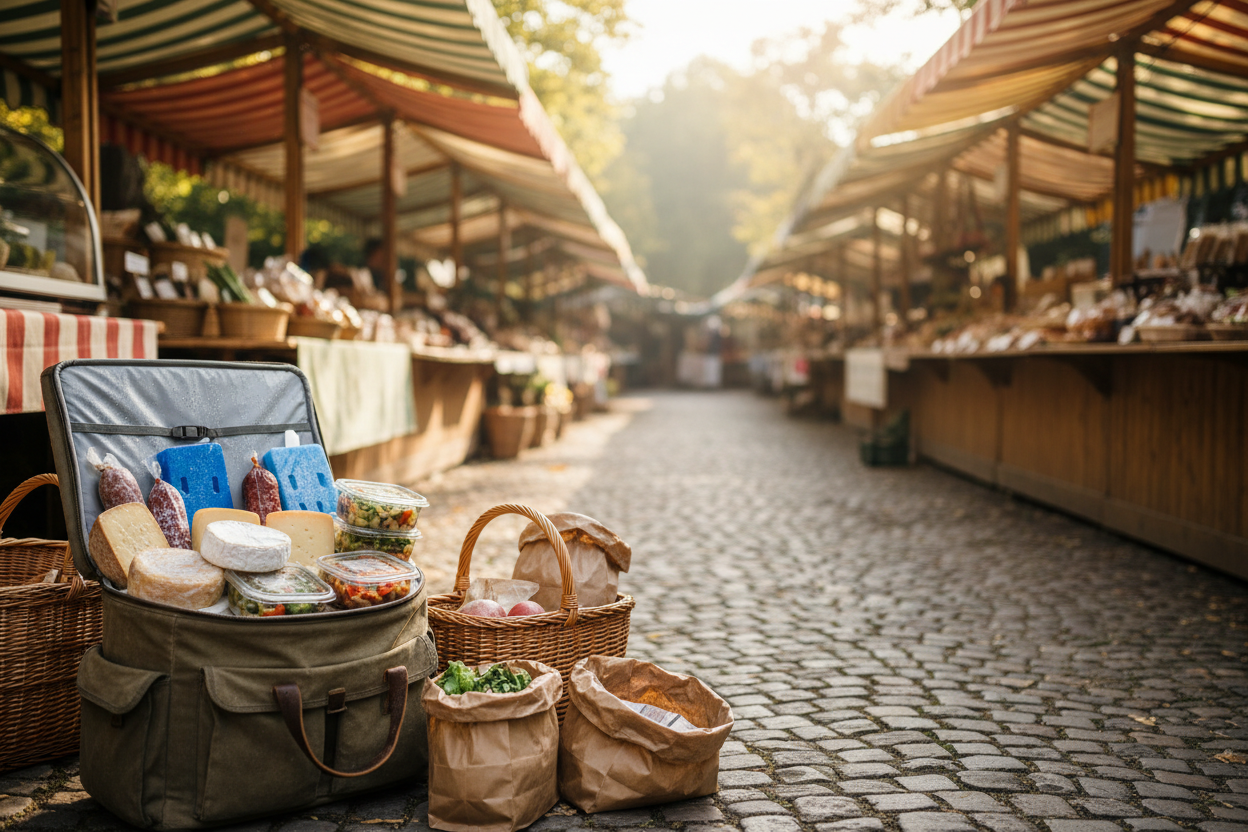
Consider bringing a cooler or insulated bags if you plan to purchase fresh items like cheese, cured meats, or prepared foods. Many shops can provide ice or dry ice for longer journeys, but it’s best to be prepared. Don’t try to see everything in one visit – the market is best experienced slowly, with multiple trips to fully appreciate all it has to offer.
Philadelphia’s Italian Market remains one of the city’s most authentic cultural experiences, a place where tradition and innovation coexist beautifully. Whether you’re searching for the perfect aged provolone, want to learn the secret to making real Italian sauce, or simply desire to connect with the passionate people who keep these traditions alive, the Italian Market delivers an experience that goes far beyond typical tourist attractions. It’s a living, breathing community that welcomes visitors while maintaining its authentic character – exactly what makes it so special and worth exploring like a true local.